
-
- Lorna Tiernan
Lorna
Tiernan
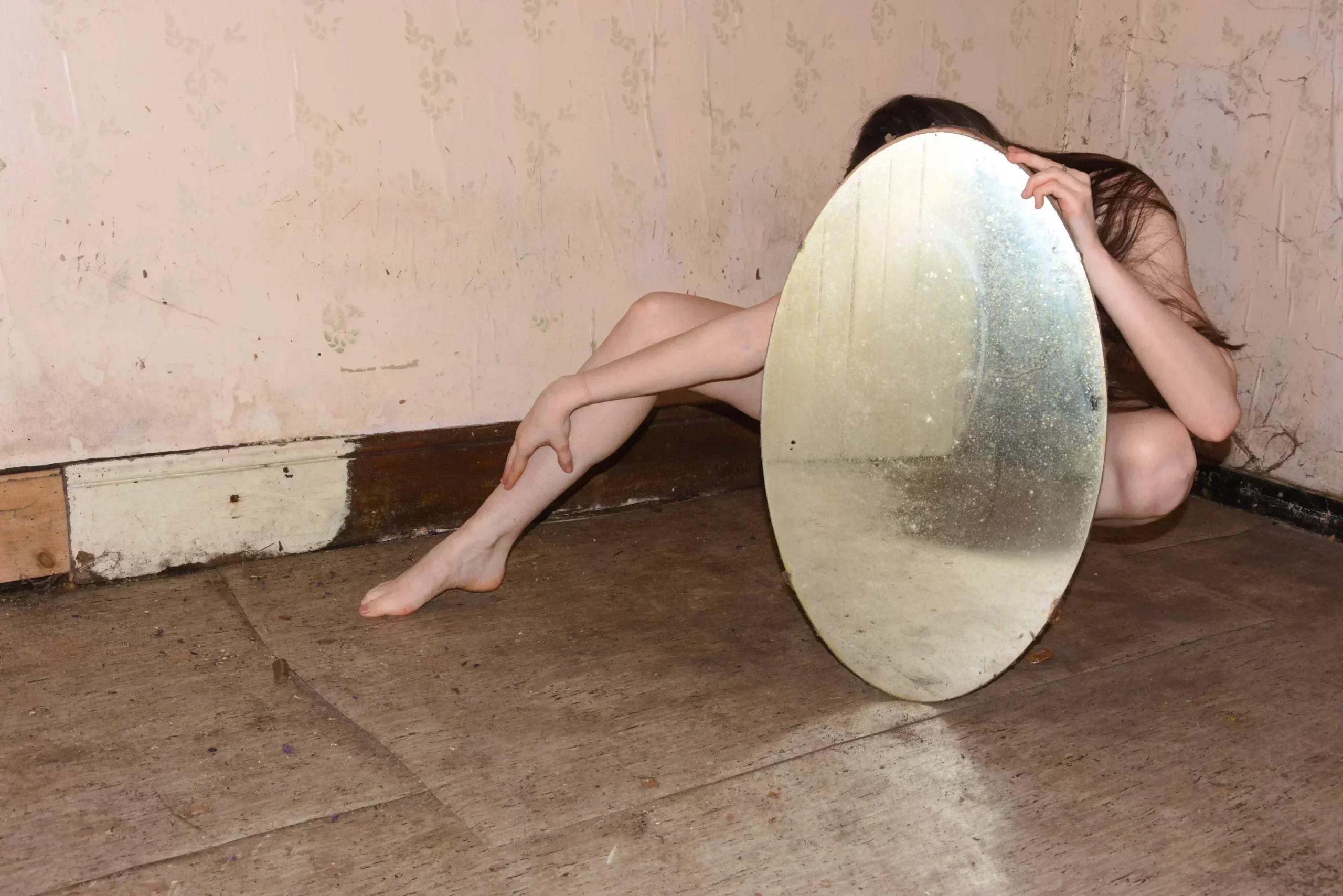
Occupying Emptiness
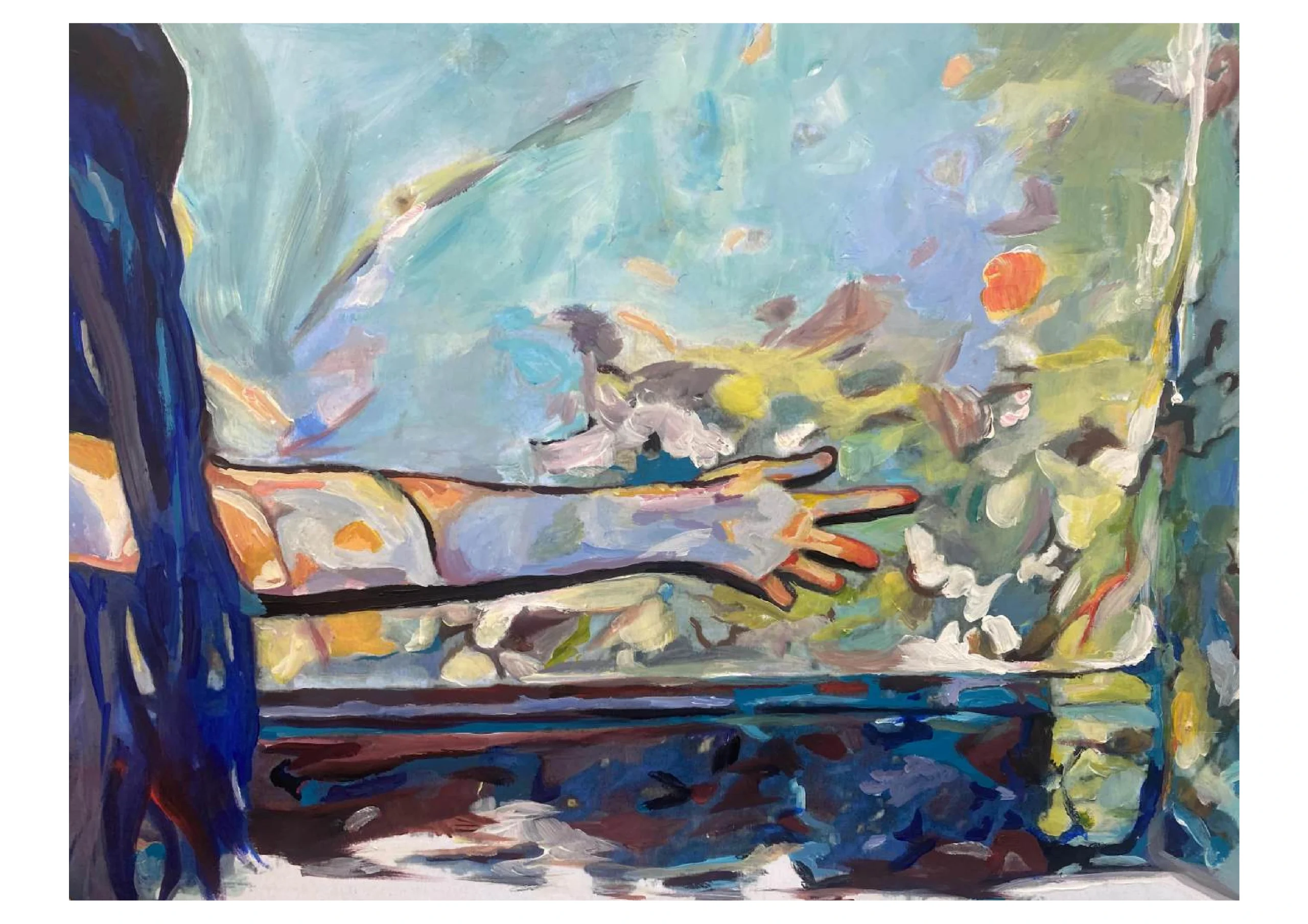
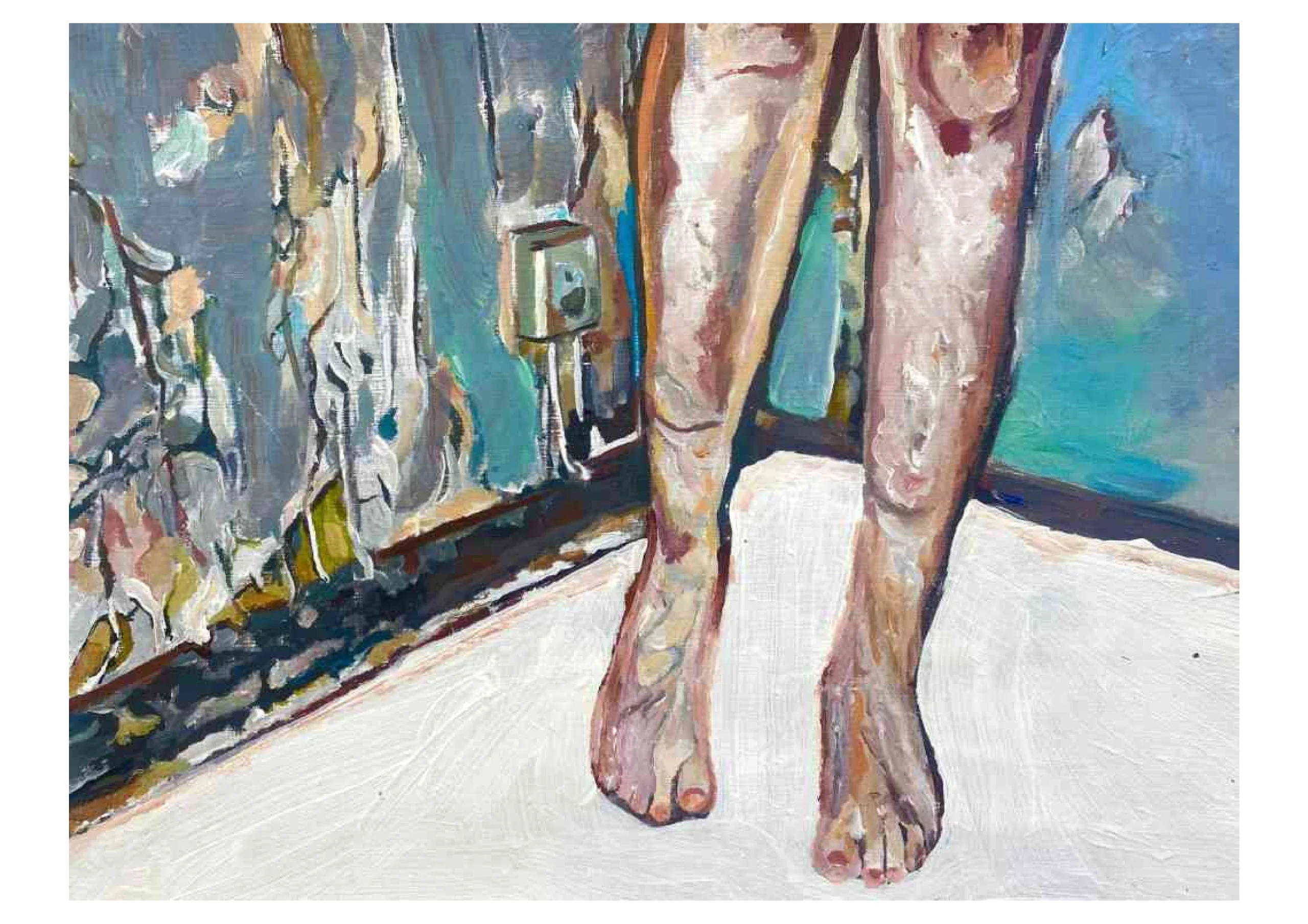
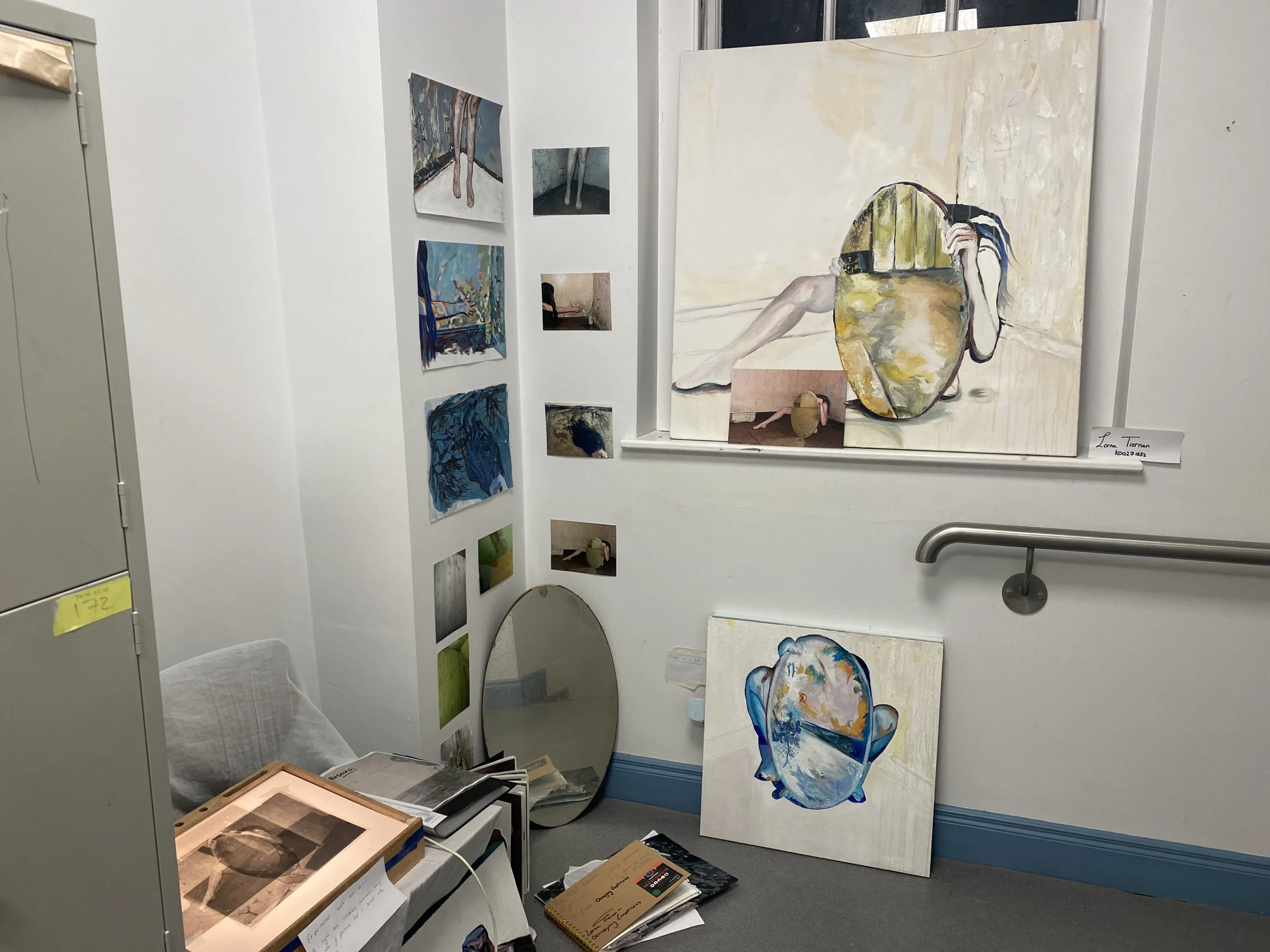
This project explores identity memory and inherited space focusing on how presence can remain even when the body is no longer there. I worked in my grandparents’ derelict home treating it as a place where traces of life still exist in the walls surfaces and atmosphere.
The work is built through repetition and return. By going back to the same room and placing my body within it over time the space becomes familiar and internal. It shifts from a physical place into something more personal and psychological. This process reflects how memory builds over time and is never fixed.
Through photography I capture moments of partial presence where the body is only seen in fragments. This avoids a clear or fixed identity and instead suggests something temporary and uncertain. The images sit between being seen and hidden especially in relation to the female body.
Painting continues this process where photography reaches its limit. While photography captures a moment painting slows it down. It allows memory and emotion to come through and changes the image into something less about recording and more about feeling. The work moves from observation into experience.
In a world that often expects clarity and visibility this project focuses on stillness ambiguity and staying with a space over time. The body is not there to perform or explain itself it simply exists within the space. Through this process legacy is not fixed but formed slowly through repetition memory and time.
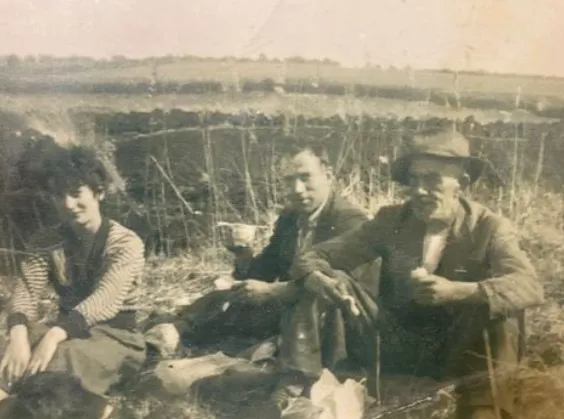
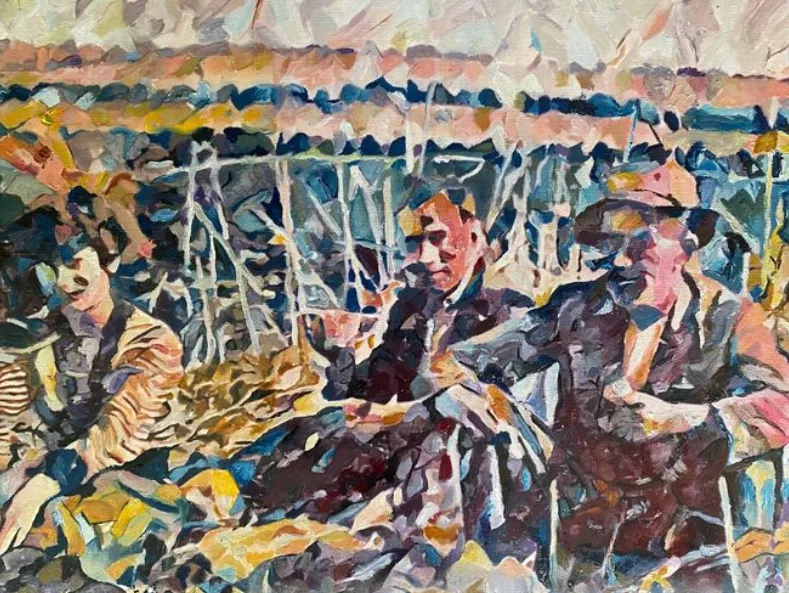
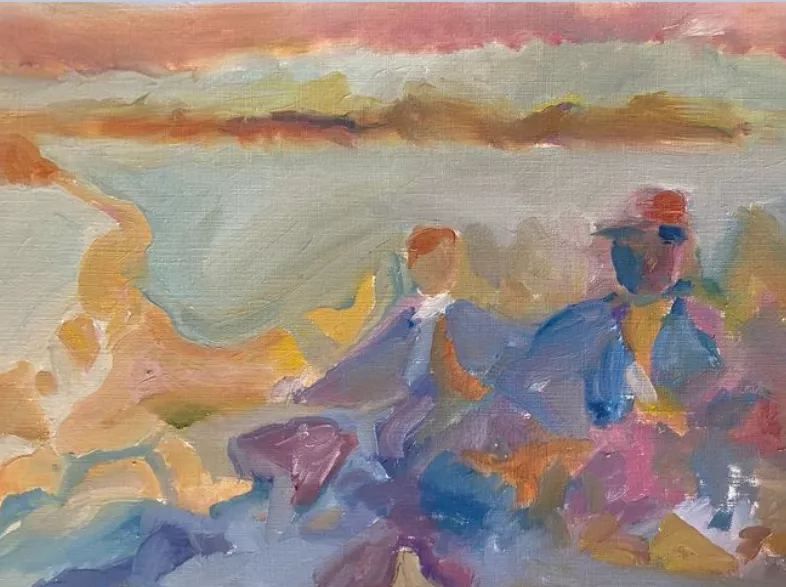
The Bog Holds Us
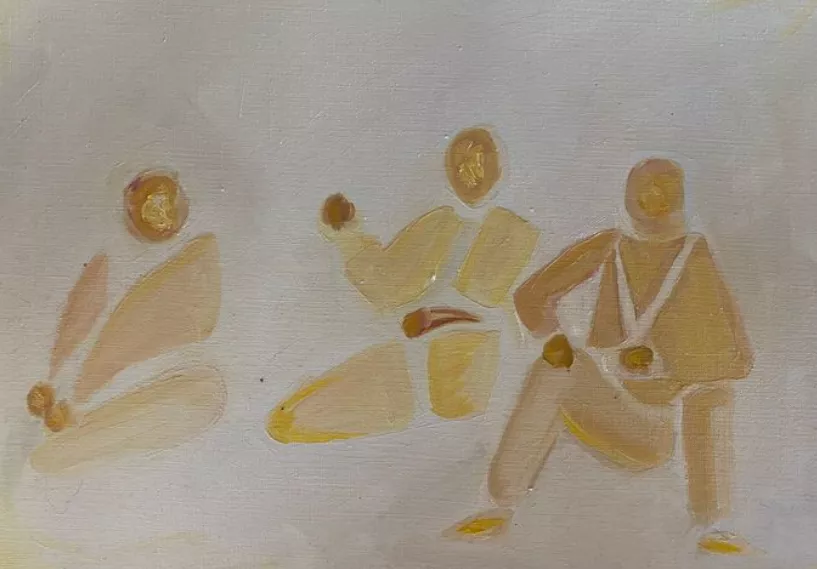
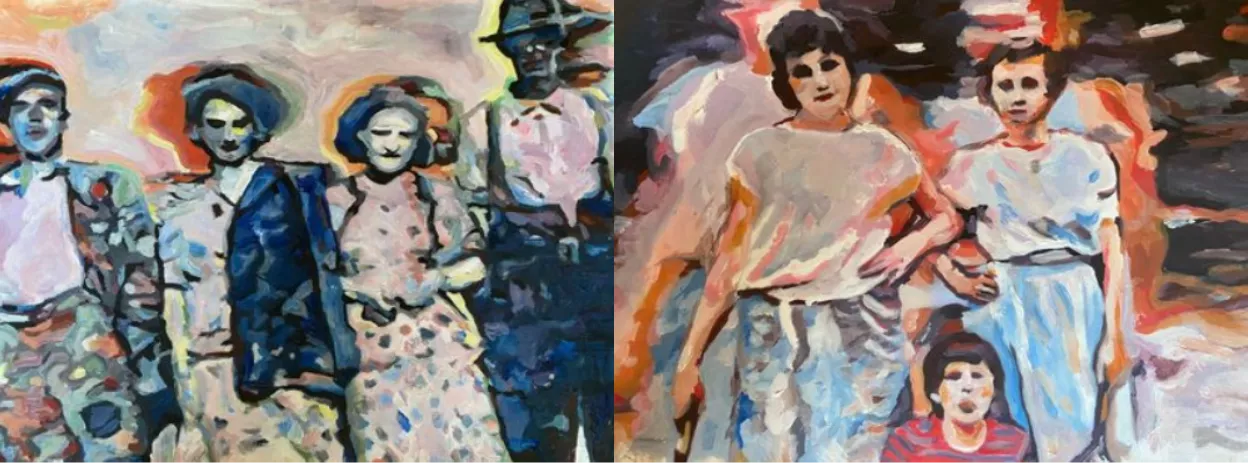
This project is based on old family photos that I return to through painting. These images hold people I am connected to but over time they begin to feel distant and harder to recognize.
I think about the bog as a place that preserves and slows time. It holds traces of what has been left behind. In the same way photographs try to hold onto a moment but they also fade and lose clarity.
In this series I paint from these family photos and allow the image to slowly disappear. Each painting moves further away from the original. Details are lost and figures become less certain. The people in the images begin to feel like strangers.
The work is about memory and how it changes. It is about trying to hold onto something that cannot stay the same. The paintings do not fix the past. They show how it slips and fades over time.
Beyond the frame
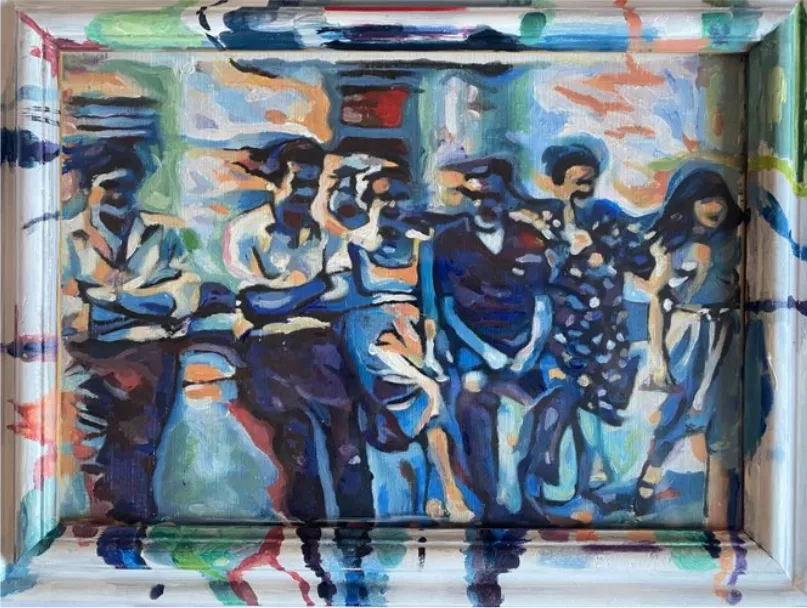
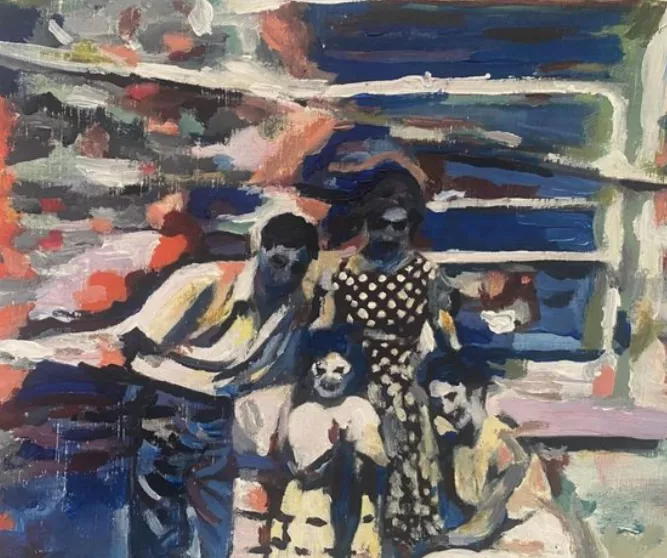
My work is about family photos and the way they hold moments that are already slipping away. I return to these images to think about memory and how it changes over time. What feels close can also feel distant. What should be familiar can become hard to recognize.
I am drawn to the people in these photographs who I am supposed to know. They are family but sometimes they feel like strangers. I look at their faces and gestures and try to understand what connects us. At the same time there is a gap that I cannot fully cross.
These images are not fixed for me. I see them as something that keeps shifting. Each time I look I notice something new or something missing. I think about what is remembered and what is forgotten. I think about what gets passed down and what disappears.
Through this work I try to hold onto these moments while also accepting that they are changing. The photographs become a space where presence and absence exist together. They show me that memory is not stable and that even the people closest to us can become unfamiliar over time.