
-
- Yeva Kravchenko
Yeva
Kravchenko
Just Someone
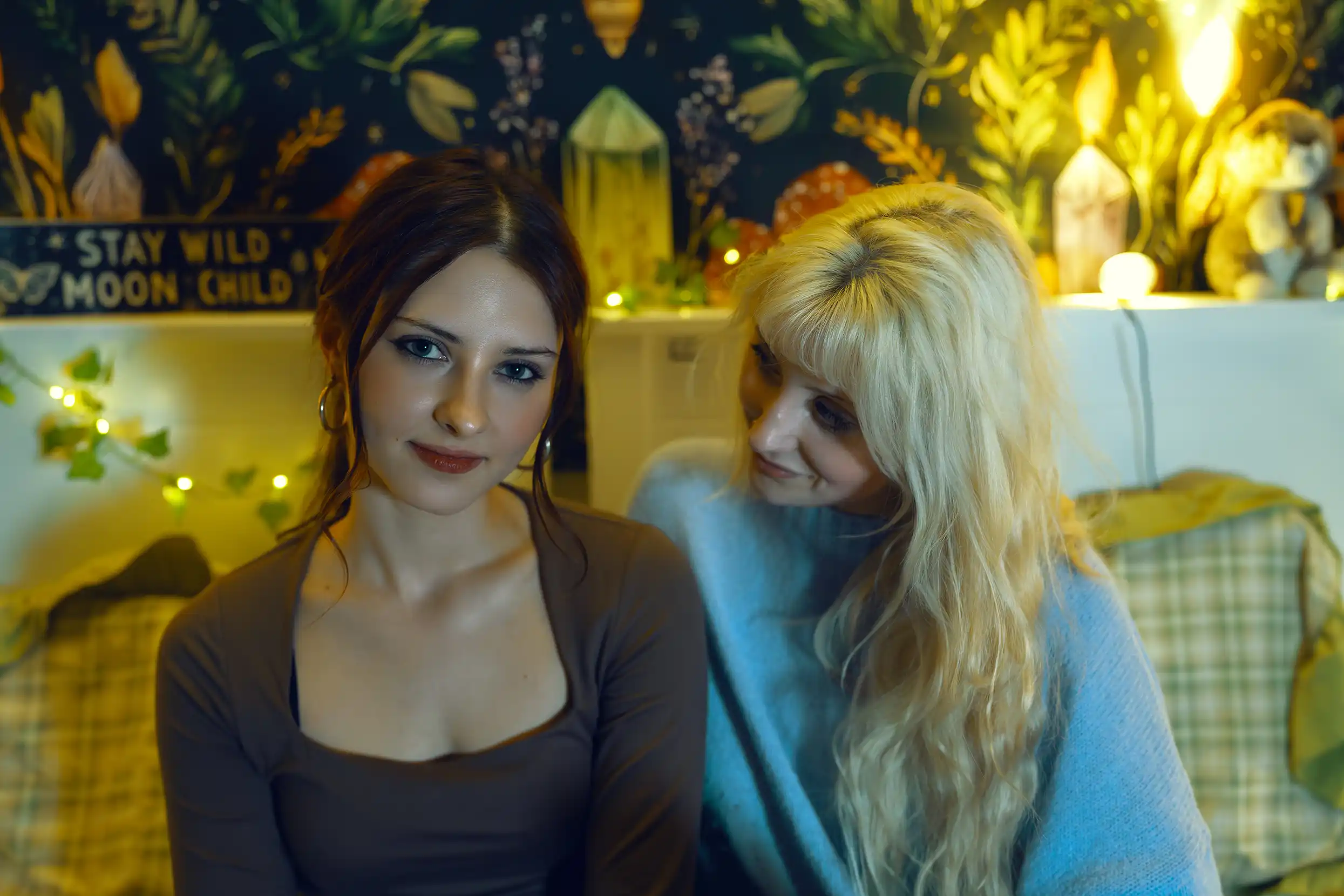
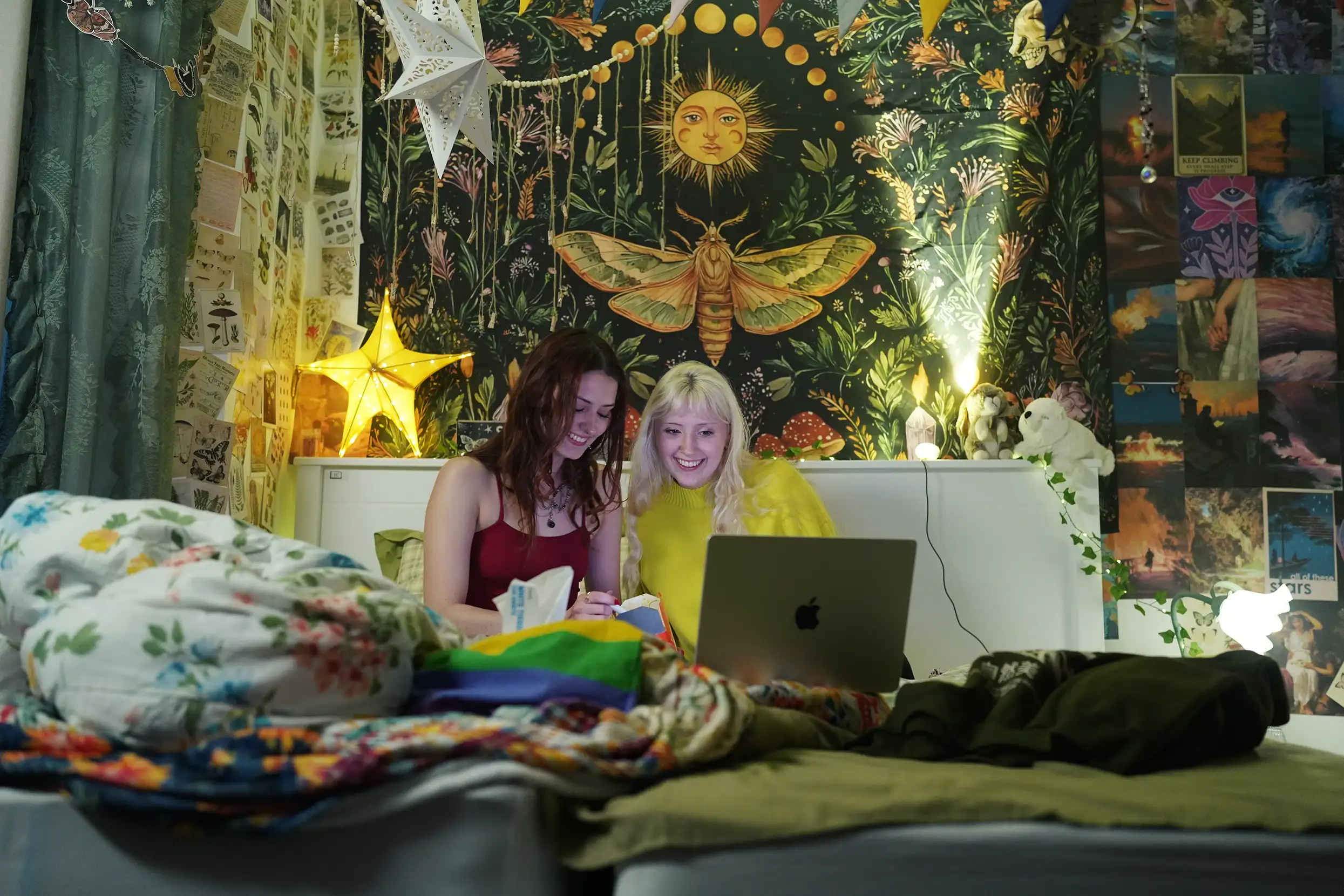
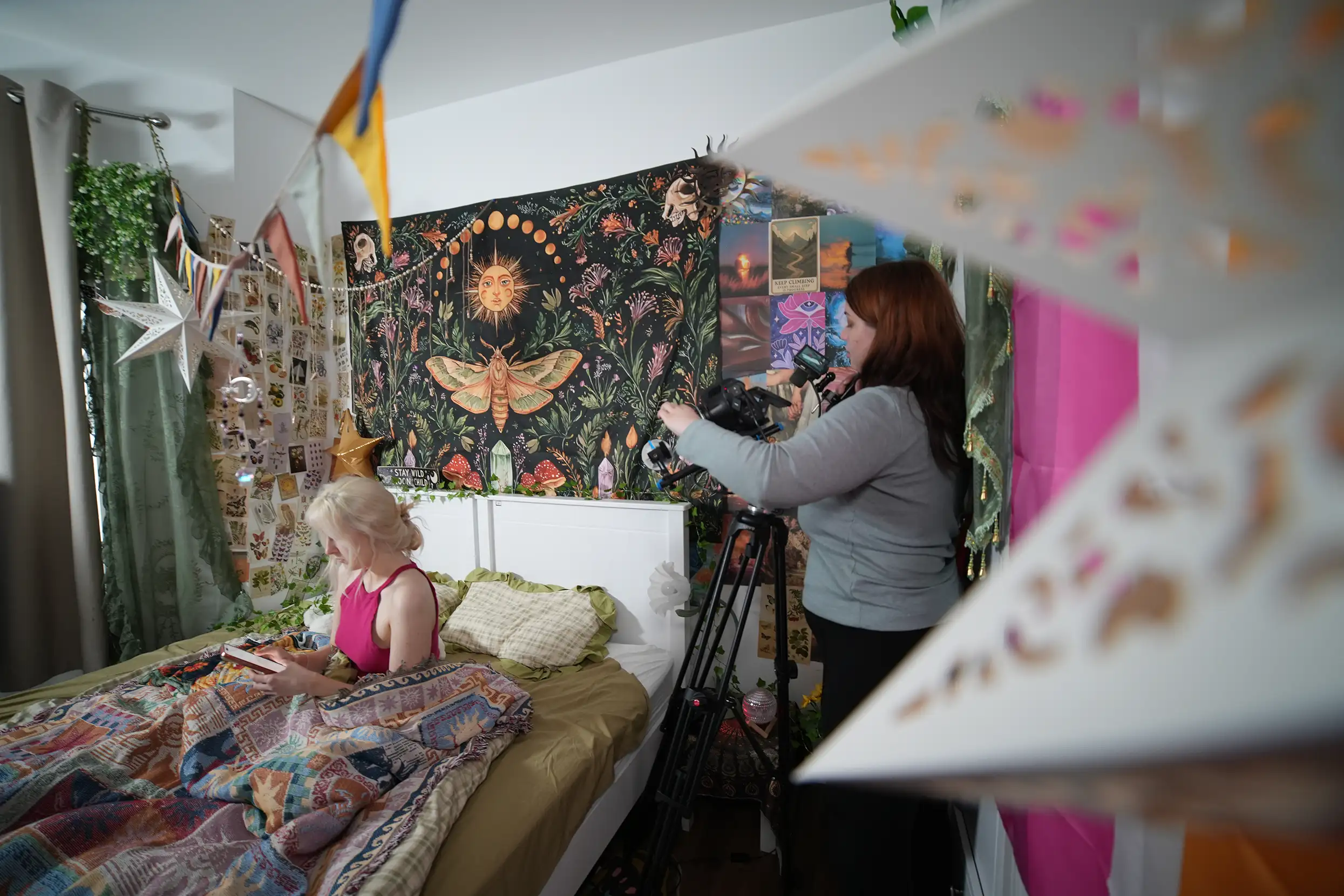
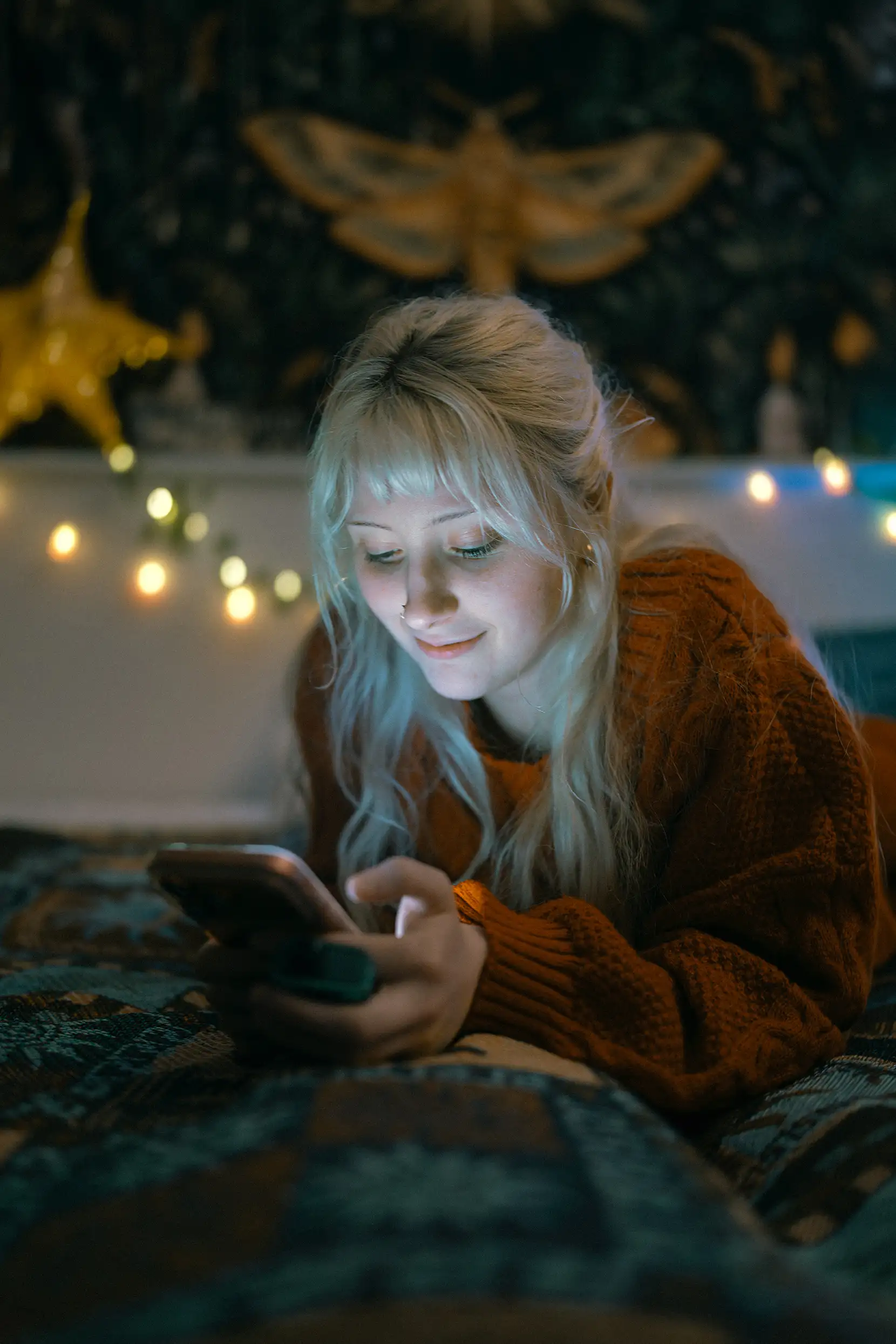
Just Someone was born from the quiet fear of being unseen, a feeling that’s become universal in a world where everyone is constantly “connected” yet lonelier than ever. I wanted to explore how technology, while designed to bring us closer, often deepens the void it promises to fill. The film evolved from my own reflections on isolation, mental health, and the human desire to be truly understood, even if that understanding must be simulated.
Olivia’s relationship with AI and the presence of Annie represent two sides of the same emotional hunger: one artificial, one idealised. Through her story, I wanted to capture that fragile space between hope and delusion, where loneliness becomes so unbearable that the mind creates its own comfort. As the Director, DOP, Camera Operator, Scriptwriter, Editor, and Executive Producer of the film, I was involved in every stage of the creative process. This allowed me to shape the story with a clear and personal artistic vision. As a queer aspiring filmmaker, I was also drawn to the theme of connection through difference, the longing to be seen, accepted, and loved without judgment. By framing this through a psychological lens, Just Someone reflects how identity and emotional survival intertwine in an increasingly digital, detached world. Just Someone is also a story about queer loneliness and representation. Growing up, I rarely saw honest portrayals of queer emotional life on screen, especially those that explored vulnerability and mental health. With this film, I want to challenge that absence and bring visibility to the quieter, more internal struggles that queer people face. It’s a deeply personal attempt to show that our stories deserve nuance, complexity, and care. Ultimately, this film is my way of holding a mirror to our generation, to question whether we’re building relationships or merely illusions of them.
If the embedded link does not work, here is a direct link to the trailer:
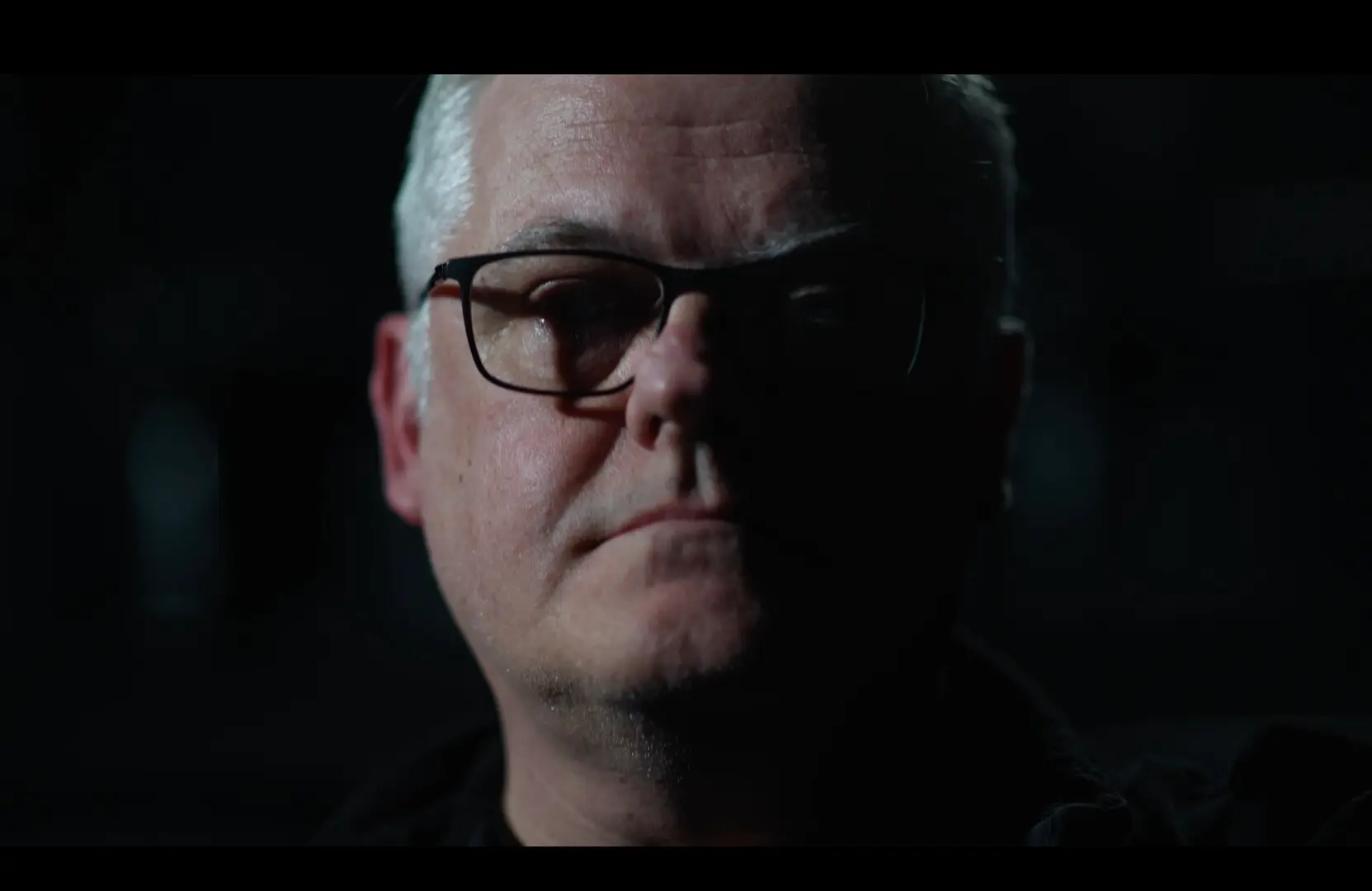
The Script
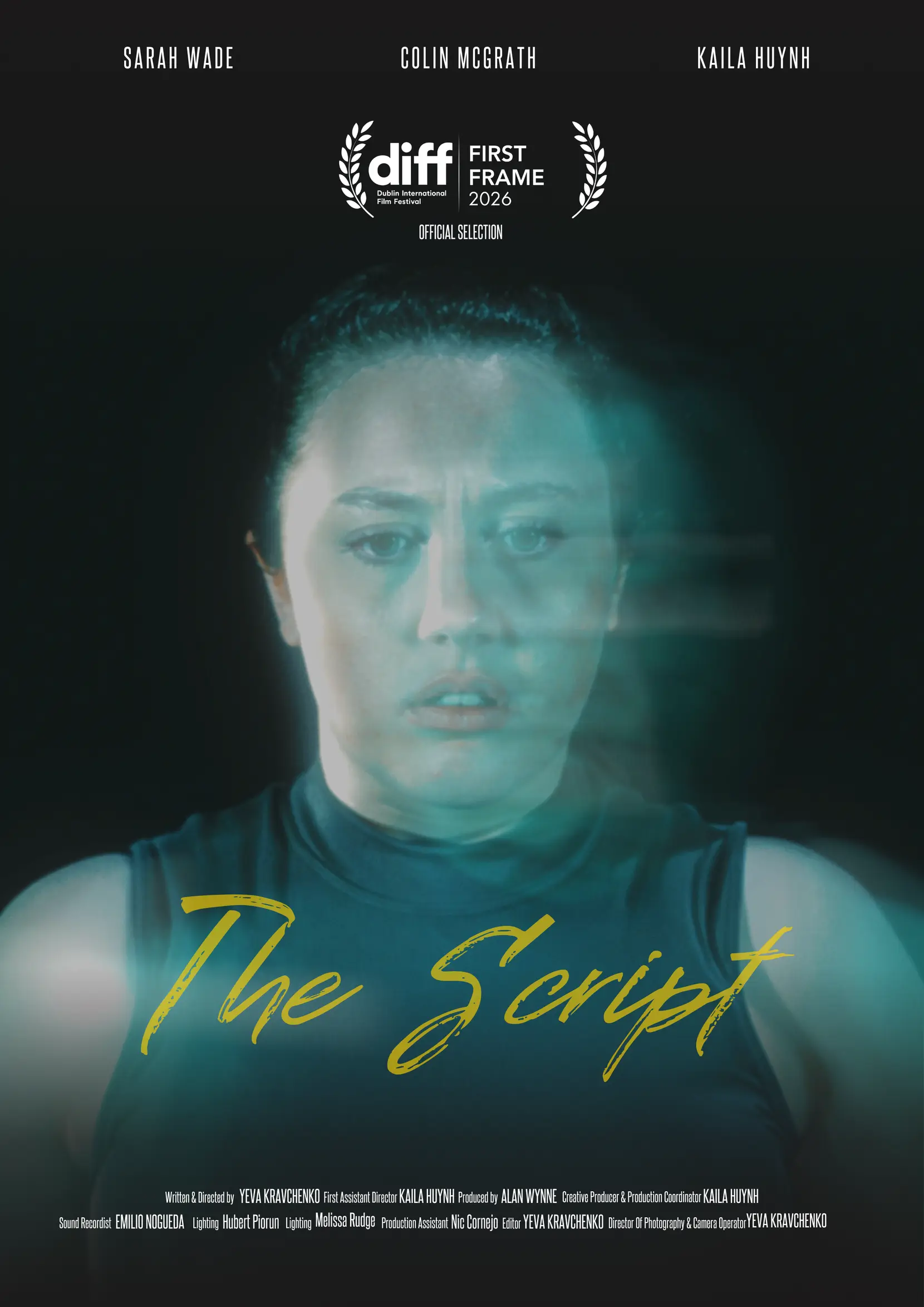
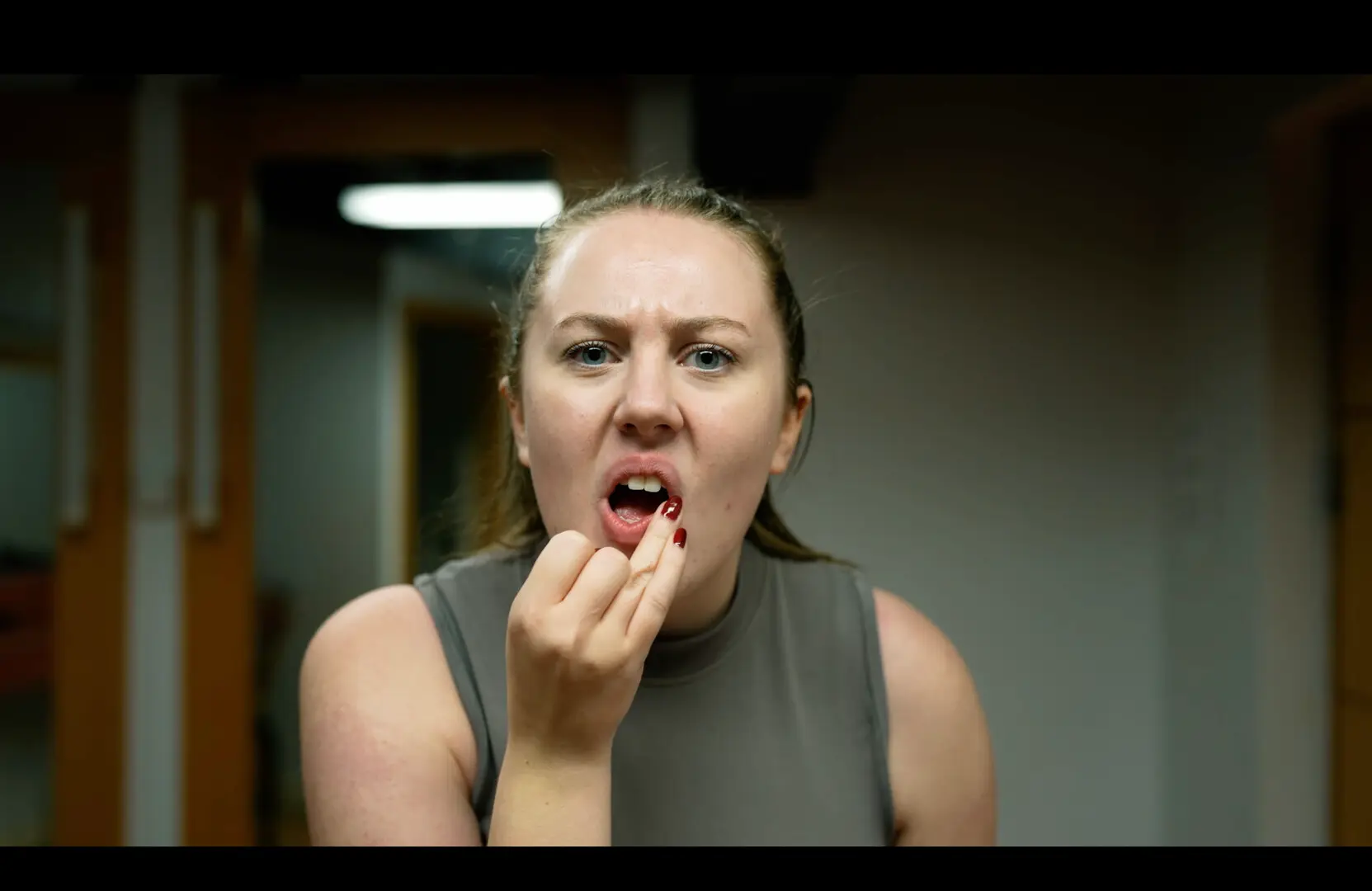
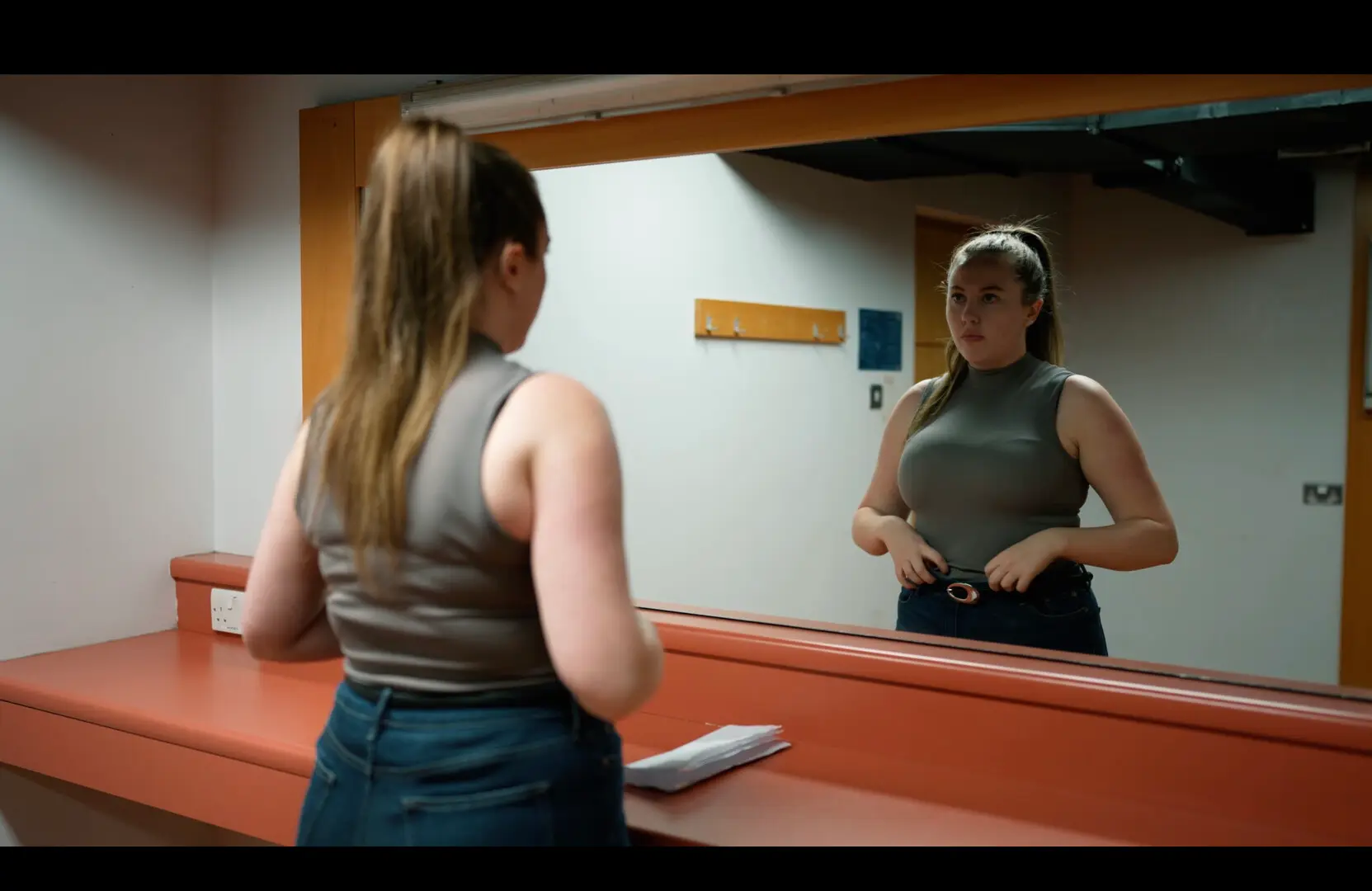
The Script is a psychological horror film that explores women’s autonomy within patriarchal systems that quietly shape behaviour, identity, and choice. Maya, a young actress desperate for her breakthrough, arrives at what she believes is a career-changing audition. As she begins to read the script, the room responds and her body slowly becomes the script’s puppet. With each line, more of her autonomy is stripped away, forcing her into silence, submission, and obedience. What begins as a performance soon spirals into a psychological nightmare, as Maya realizes the audition is not for a role at all, but for something far more sinister. The film acts as a chilling allegory for the invisible systems that dictate who women are allowed to be. Even when women attempt to reclaim control over their own lives and rewrite their own destinies, patriarchal structures continue to shape the choices available to them through expectation, conditioning, and social pressure. Rather than portraying oppression through explicit violence, The Script focuses on psychological control and the internalisation of obedience.
As a Ukrainian-born filmmaker and feminist, I wanted to create a film that feels unsettling not only because of its horror elements, but because its themes are deeply recognisable. As the Director, DOP, Camera Operator, Scriptwriter, Editor, and Executive Producer of the film, I was involved in every creative stage of the project, allowing me to shape its visual language and psychological atmosphere in a deeply personal way. The Script questions who truly holds authorship over women’s lives, and whether freedom is possible within systems designed to control and define them. Ultimately, the rationale behind The Script is to encourage audiences to reflect on the ways patriarchal expectations continue to shape women’s realities, even in environments that appear progressive or liberating on the surface.
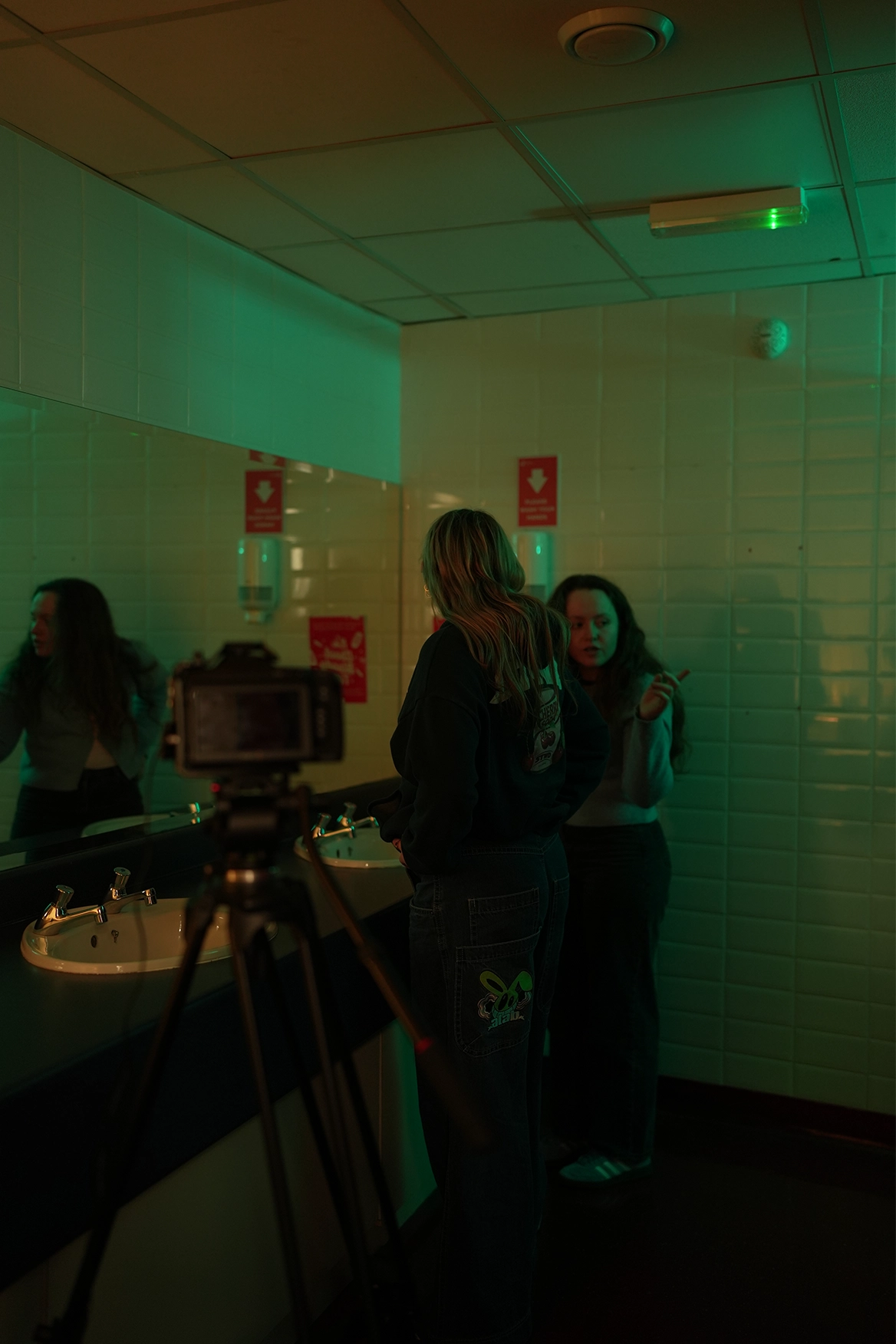
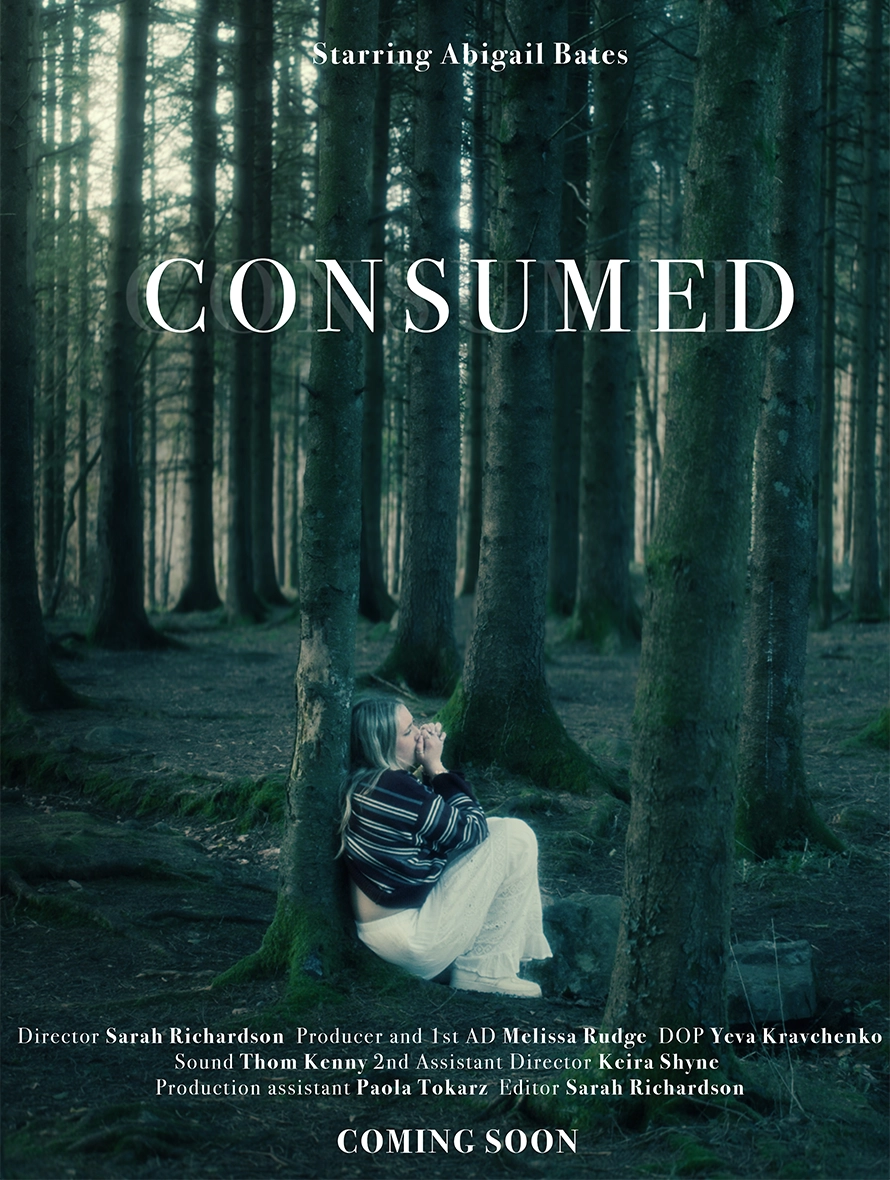
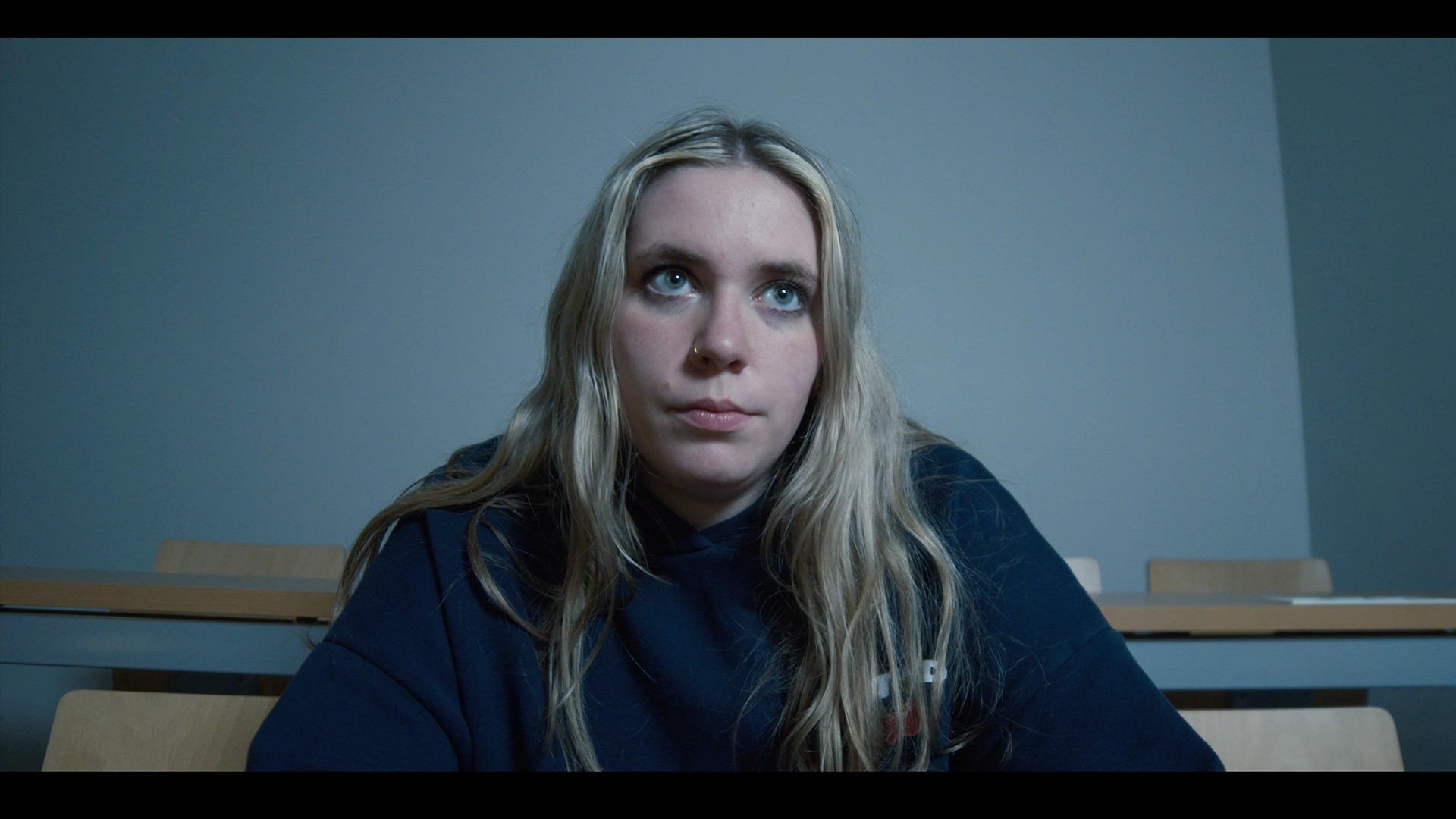
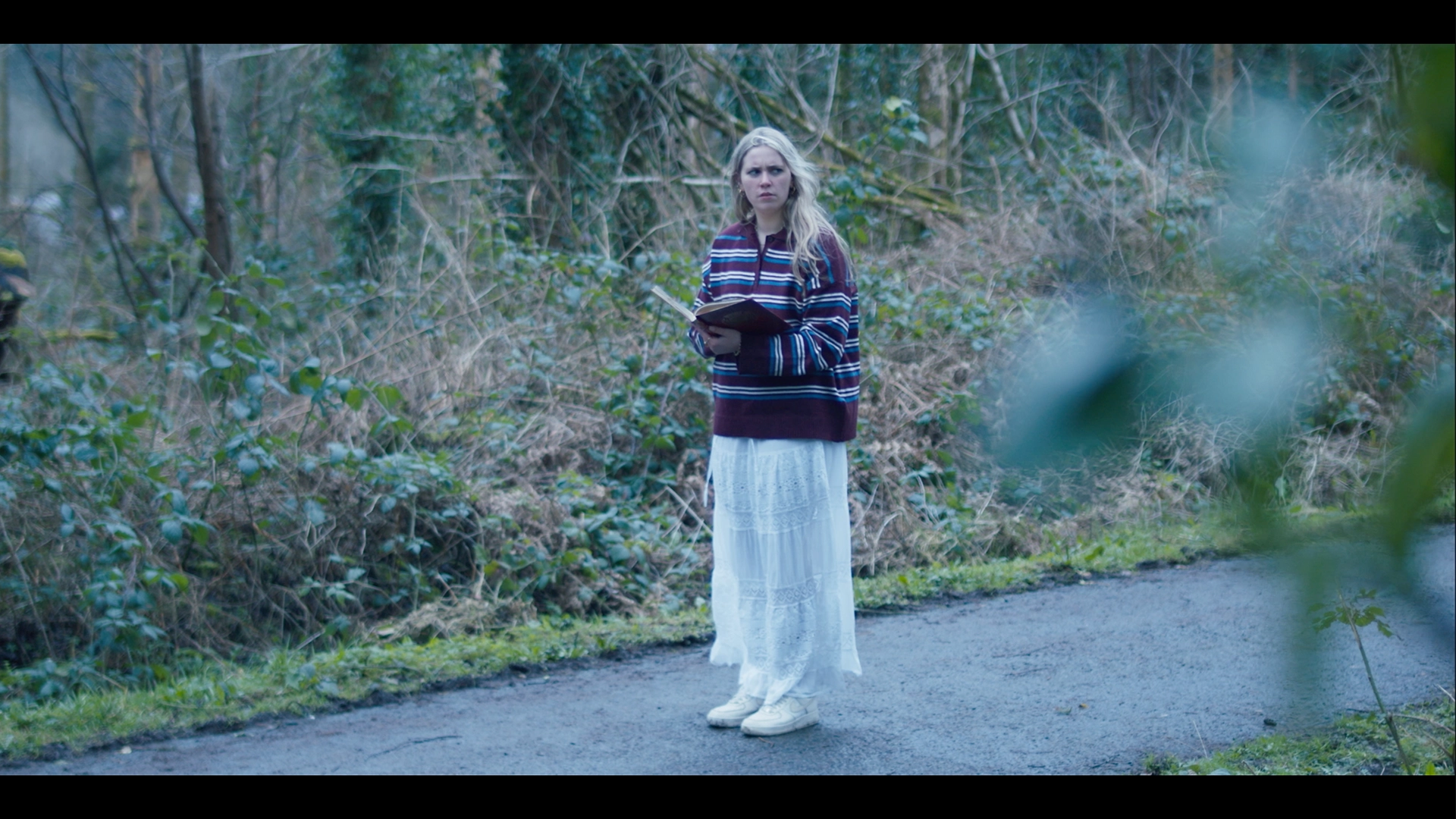
Consumed
As DOP, Camera Operator & Colourist on Consumed, I wanted the visual language of the film to reflect the overwhelming and disorienting nature of anxiety. The story follows a young college student who becomes trapped within a haunting world shaped by her own mental state, blurring the line between reality and imagination. Through cinematography and colour, I aimed to visually externalise emotions that are often invisible, allowing the audience to experience the character’s anxiety from her perspective rather than simply observe it.
Working closely with the director, I focused on creating an unsettling atmosphere through framing, lighting, camera movement, and colour grading. The dark woodland setting became a visual metaphor for isolation, fear, and feeling mentally lost. I used low-key lighting, colder tones, and high contrast imagery to heighten tension and reinforce the psychological themes of the film. The cinematography gradually becomes more distorted and uneasy as the protagonist’s emotional state deteriorates, helping immerse the viewer in her experience.
As colourist, I wanted the grade to feel stylised yet emotionally grounded. Muted colours and desaturated greens were used to create an eerie, dreamlike environment, while shadows and darker tones enhanced the feeling of emotional weight and instability. The visual approach was heavily inspired by psychological horror and surrealist storytelling, where atmosphere and emotion are just as important as narrative.
Mental health, particularly anxiety and stress surrounding college life, is something that resonates with many young people today. I was drawn to this project because of its honest portrayal of internal struggle and its use of symbolism to represent emotions that are difficult to articulate. Through my work as DOP and Colourist, I wanted to help create a film that feels visually immersive, emotionally raw, and relatable to audiences who may recognise aspects of their own experiences within the story.