
-

- Dylan Sweeney-Crehan
Dylan
Sweeney-Crehan
Maisies Room
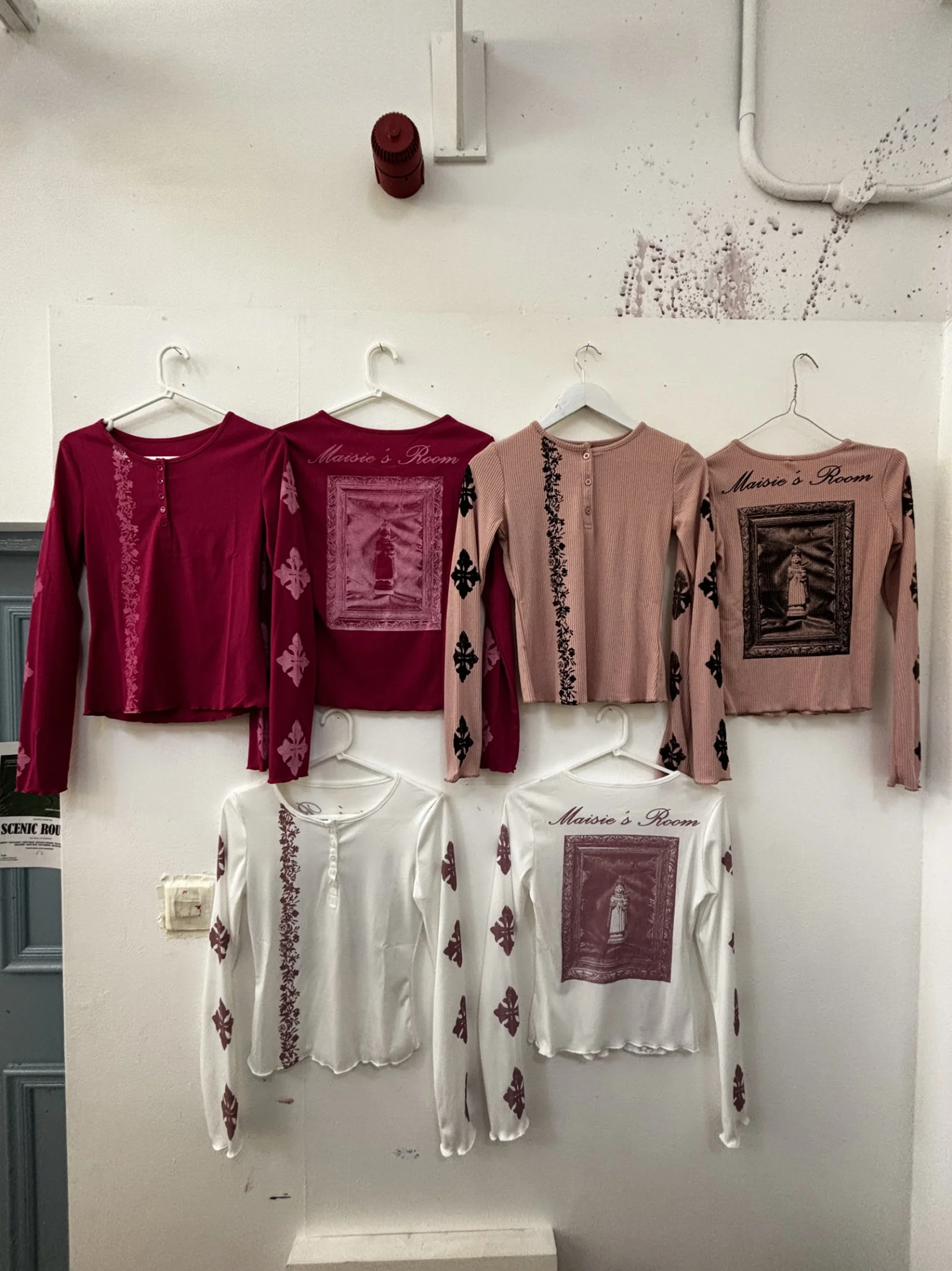
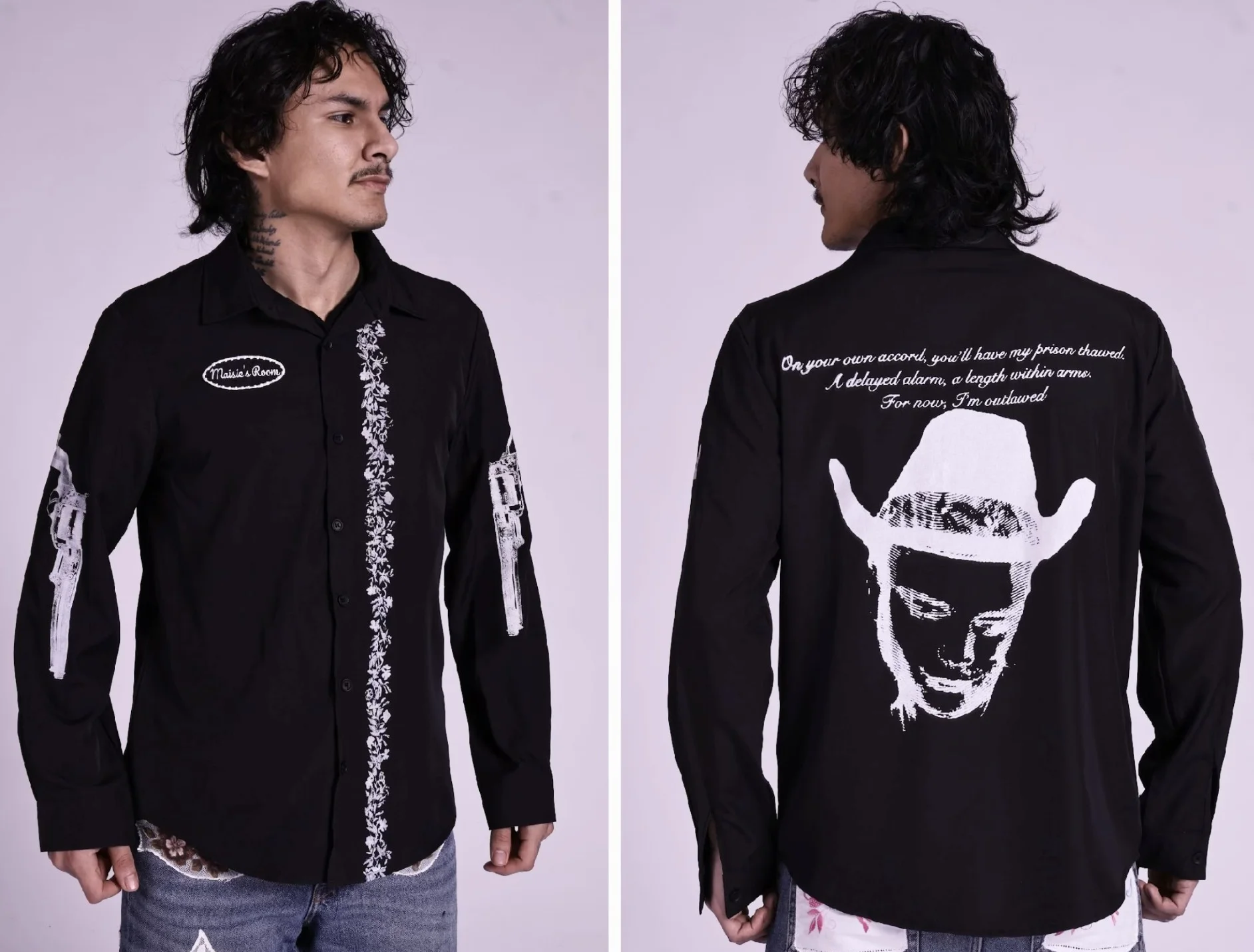
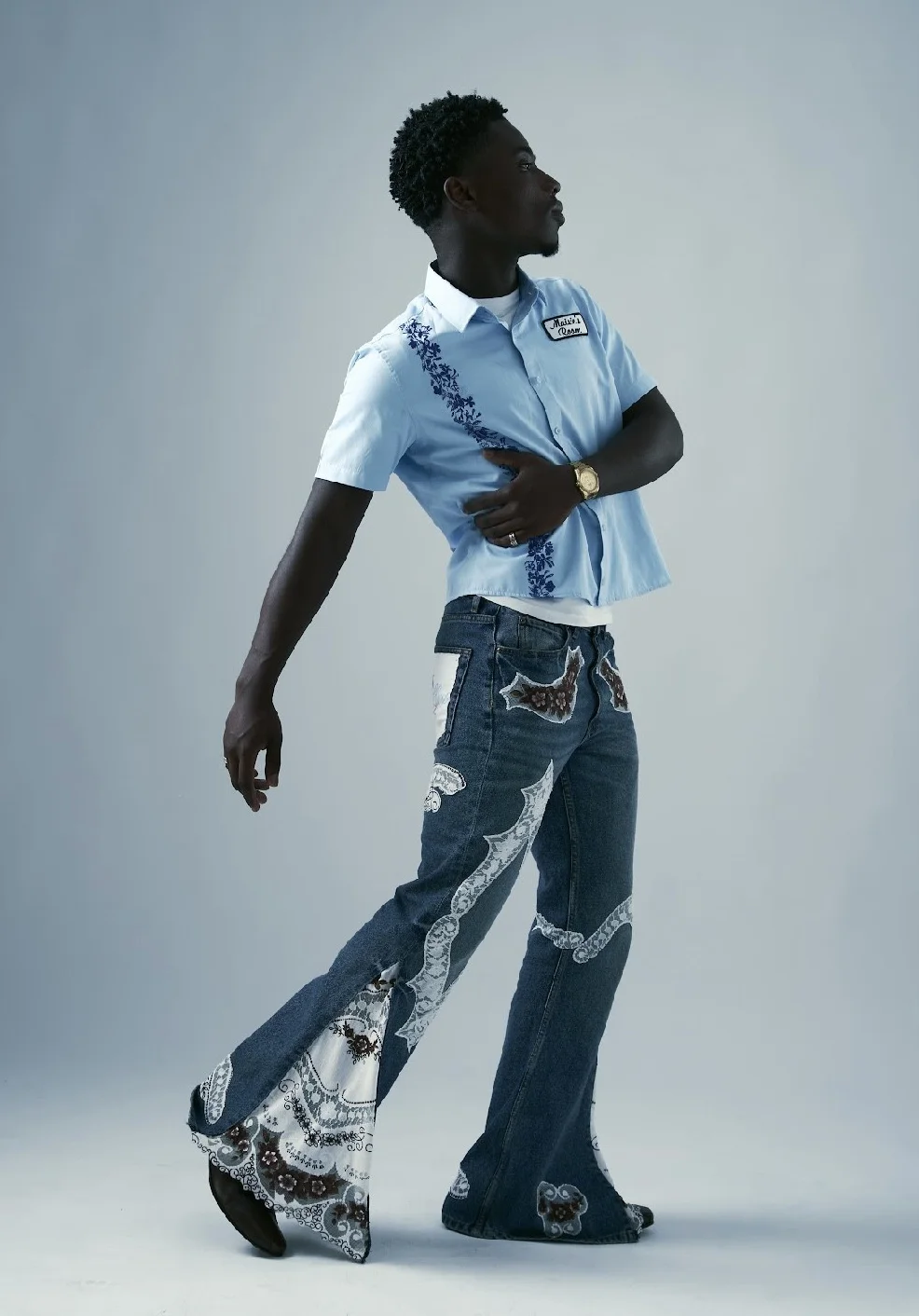
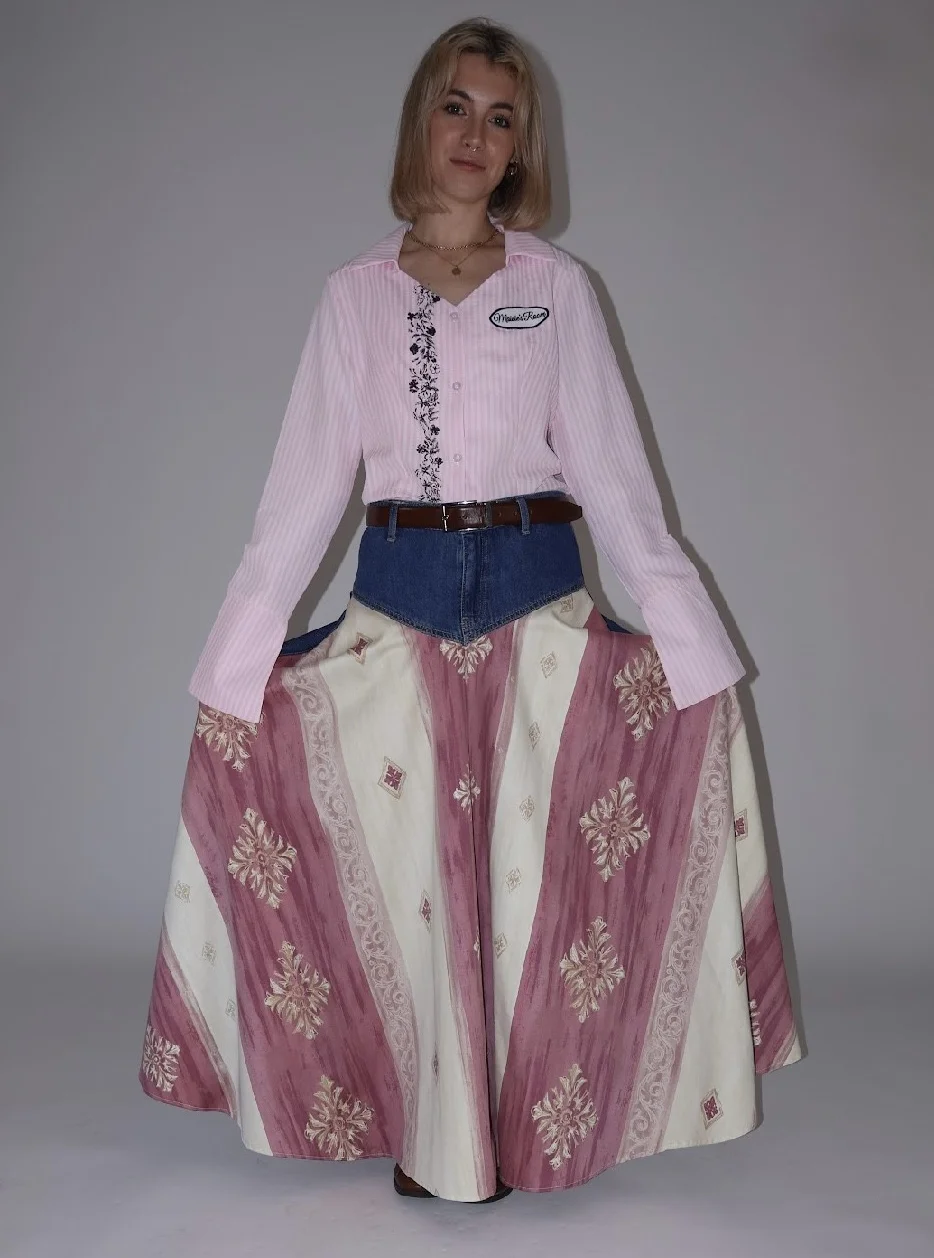
Maisie’s Room is a Limerick-based band and clothing label founded by brothers Dylan and Luke Sweeney-Crehan. Blurring the boundaries between music and design, they create limited collections of hand-printed and hand-sewn garments inspired by the vibrancy and character of mid-20th century fashion. Each piece is conceptually tied to the band’s evolving identity, forming a cohesive visual language that extends their artistic output beyond sound.
The name “Maisie’s Room” pays tribute to the brothers’ late grandmother, whose presence continues to shape their work. Patterns, textures, and found objects from her personal space are reinterpreted within each collection, embedding memory and intimacy into every design.
Maisies Room is more than a band it’s a space where sound, style, and self-expression collide.
Sonically, Maisie’s Room operates as an acoustic-based project that defies expectation. Their sound fuses stripped-back instrumentation with the intensity and emotional weight of heavier genres, drawing from folk traditions while embracing the raw, abrasive energy of emotional hardcore. The result is a dynamic and often confrontational listening experience that challenges the perceived limits of acoustic music.
Together, they aim to push their craft beyond conventional boundaries, creating work that is both deeply personal and sonically uncompromising.
Dylan John
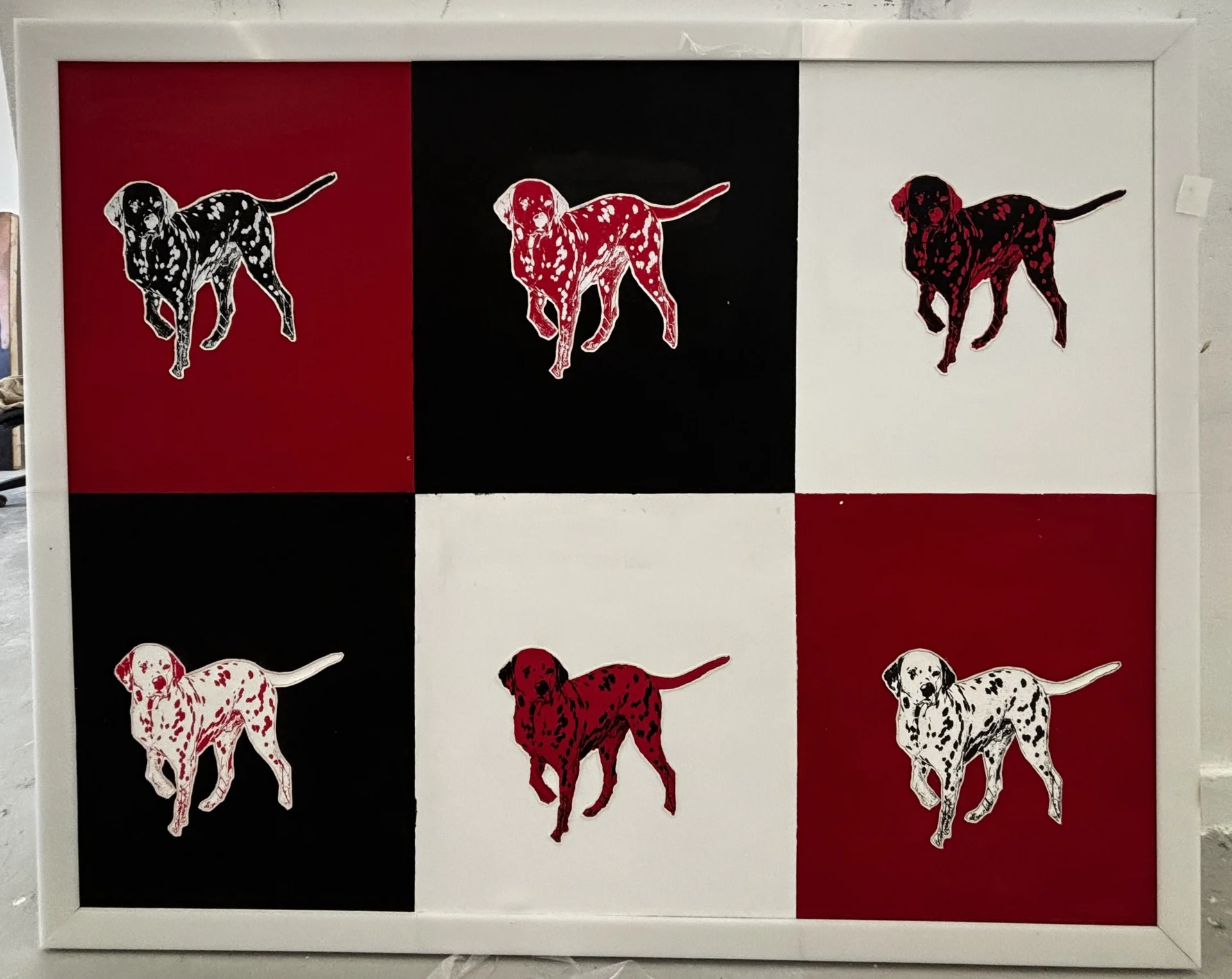
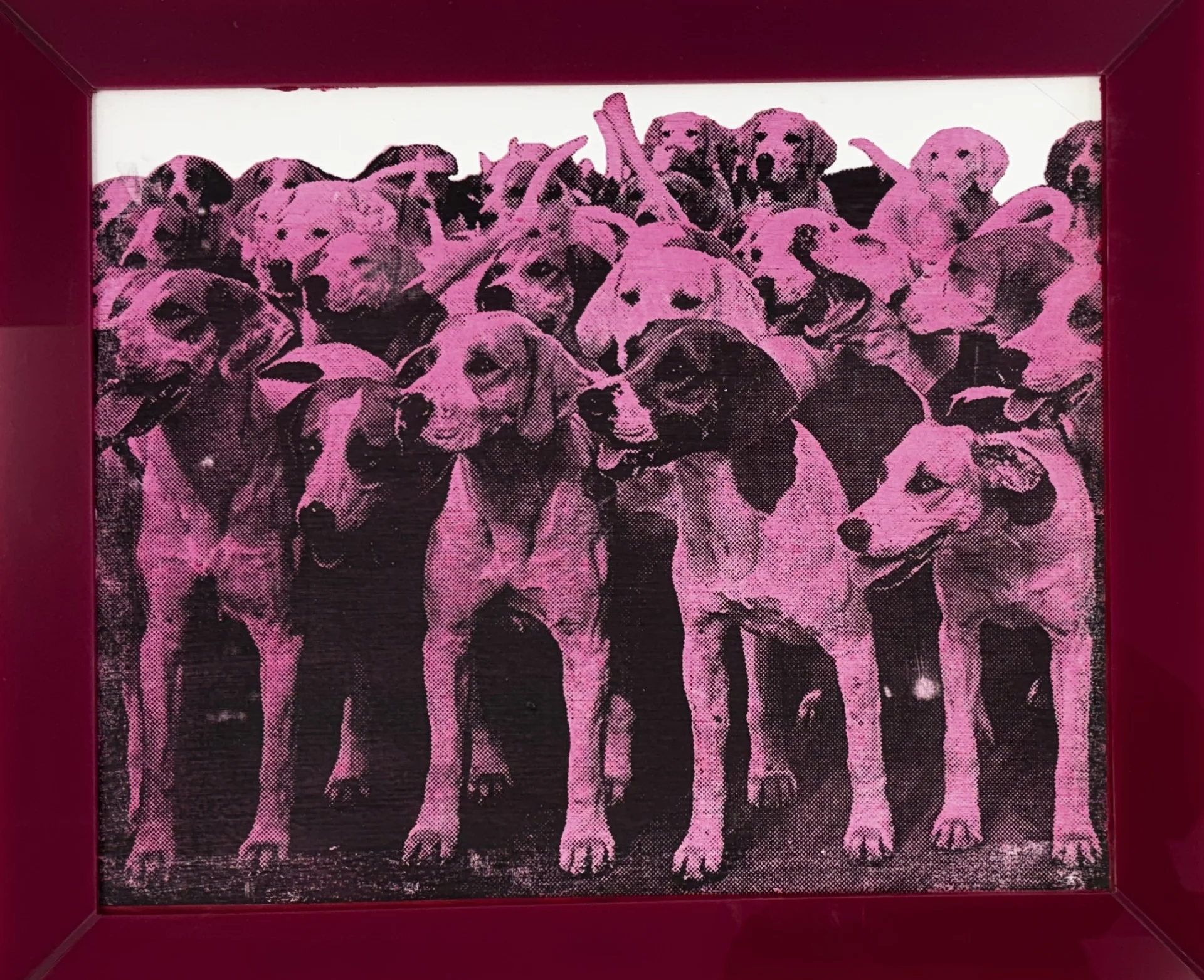
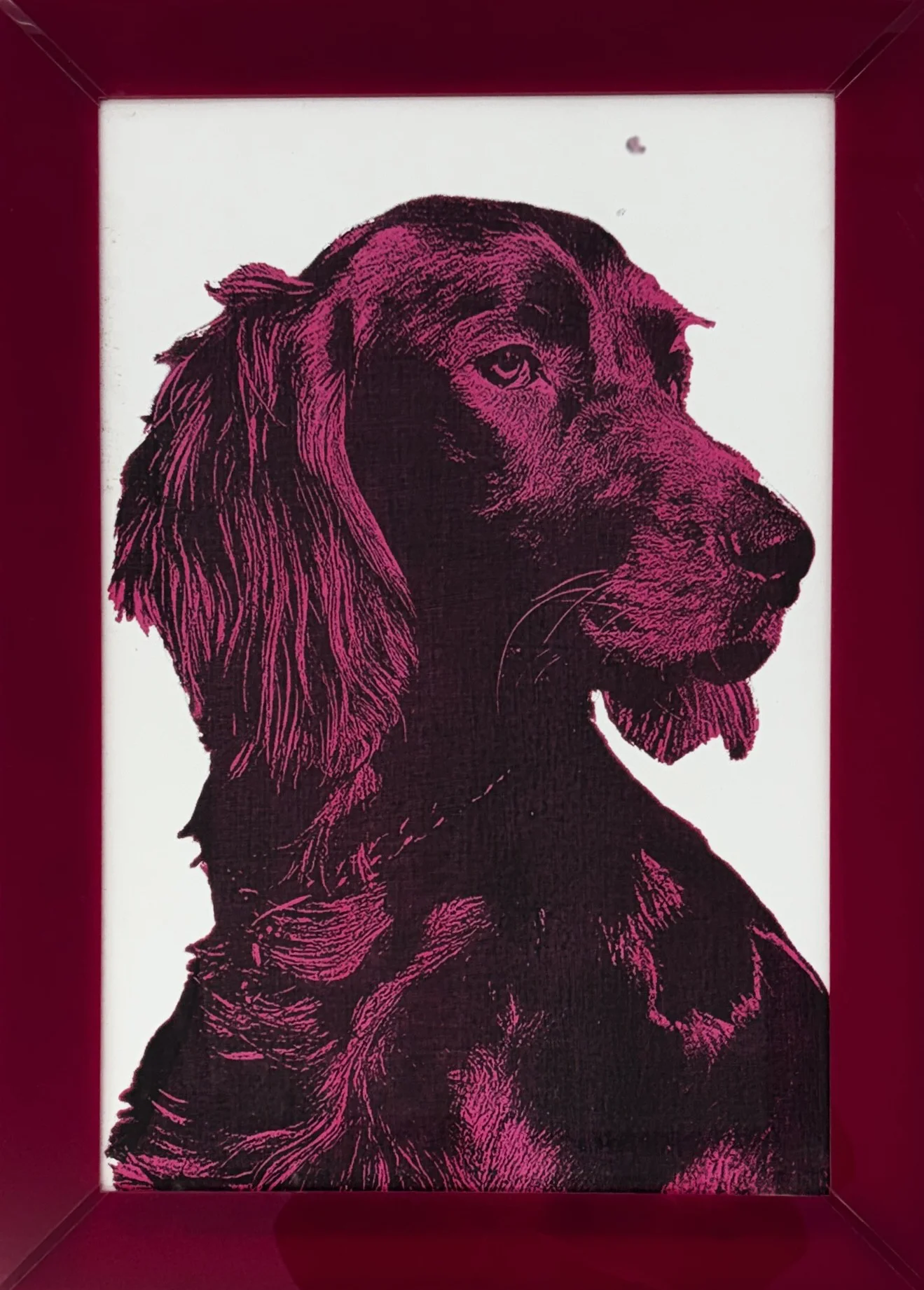
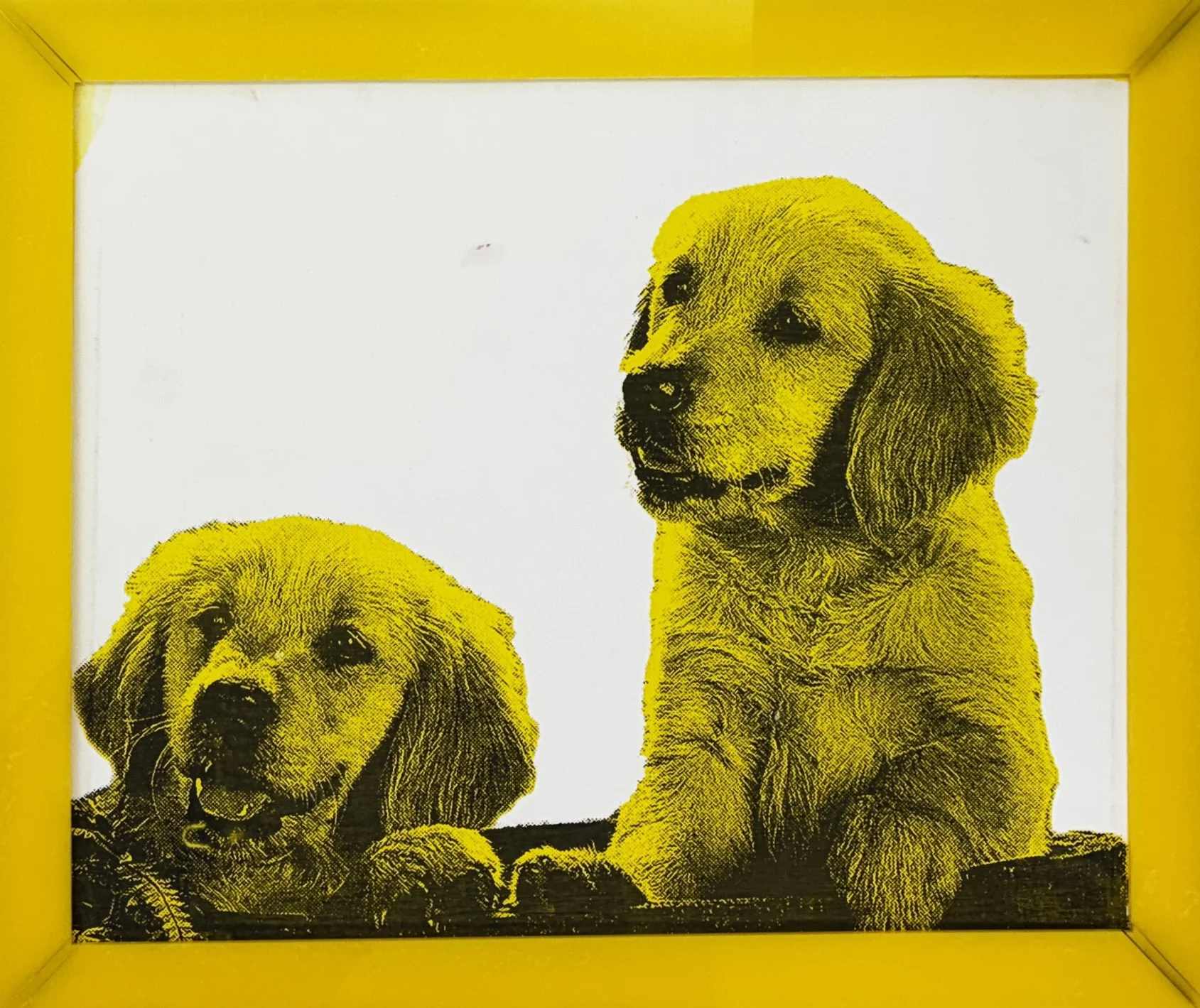
The concept behind his second body of work, ‘Dylan John’, explores how artwork can be presented across both painting and everyday life, where it can be encountered on a wall or worn on the body. Dylan’s Imagery, combining his name, Dylan John, with recurring dog figures—moves across surfaces and contexts. This allows the work to exist publicly and collectively, not just as a singular artwork but as something that can circulate, be shared, and be lived with.
Dylan explores how dogs have been valued for their loyalty, intelligence, and roles as protectors and companions. This idea draws from Celtic mythology, where canines were often represented as guardians and were closely associated with warriors and status. Celtic hounds were highly respected, often given as gifts to men of honour, and their image became a symbol of loyalty and strength.
This connection between dogs and humans continues into Irish culture today. Native breeds such as the Irish Wolfhound, Irish Setter, Irish Terrier, and Kerry Blue Terrier are still widely recognised and valued. In rural Ireland, working dogs remain essential in farming life, while in the home they continue to hold a central place within the family.
He utilises vibrant and bold colours inspired by artists during the pop art movement of the 1960s.