
-
- Sekera Mohamed Besta
Sekera
Mohamed Besta
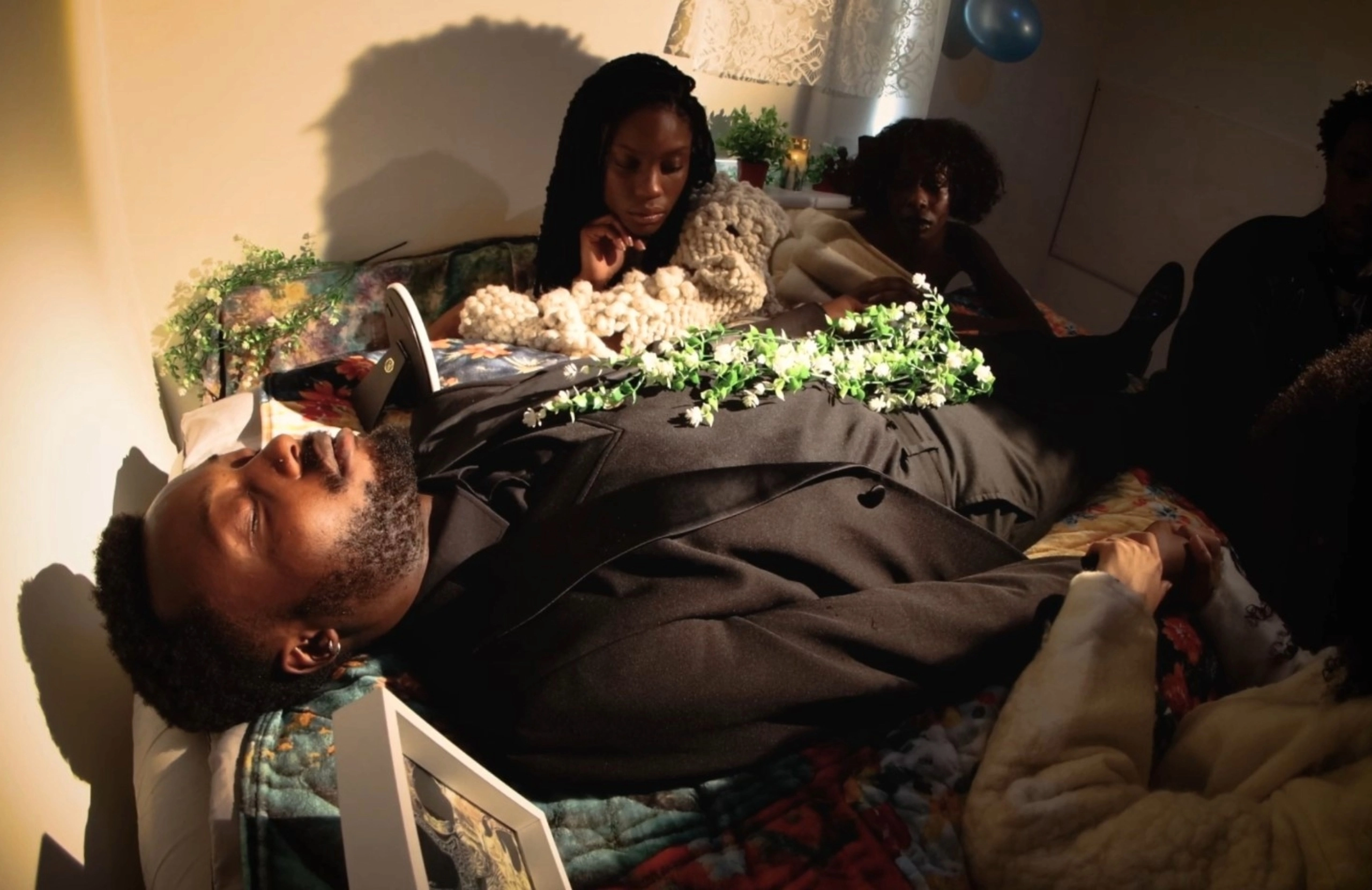
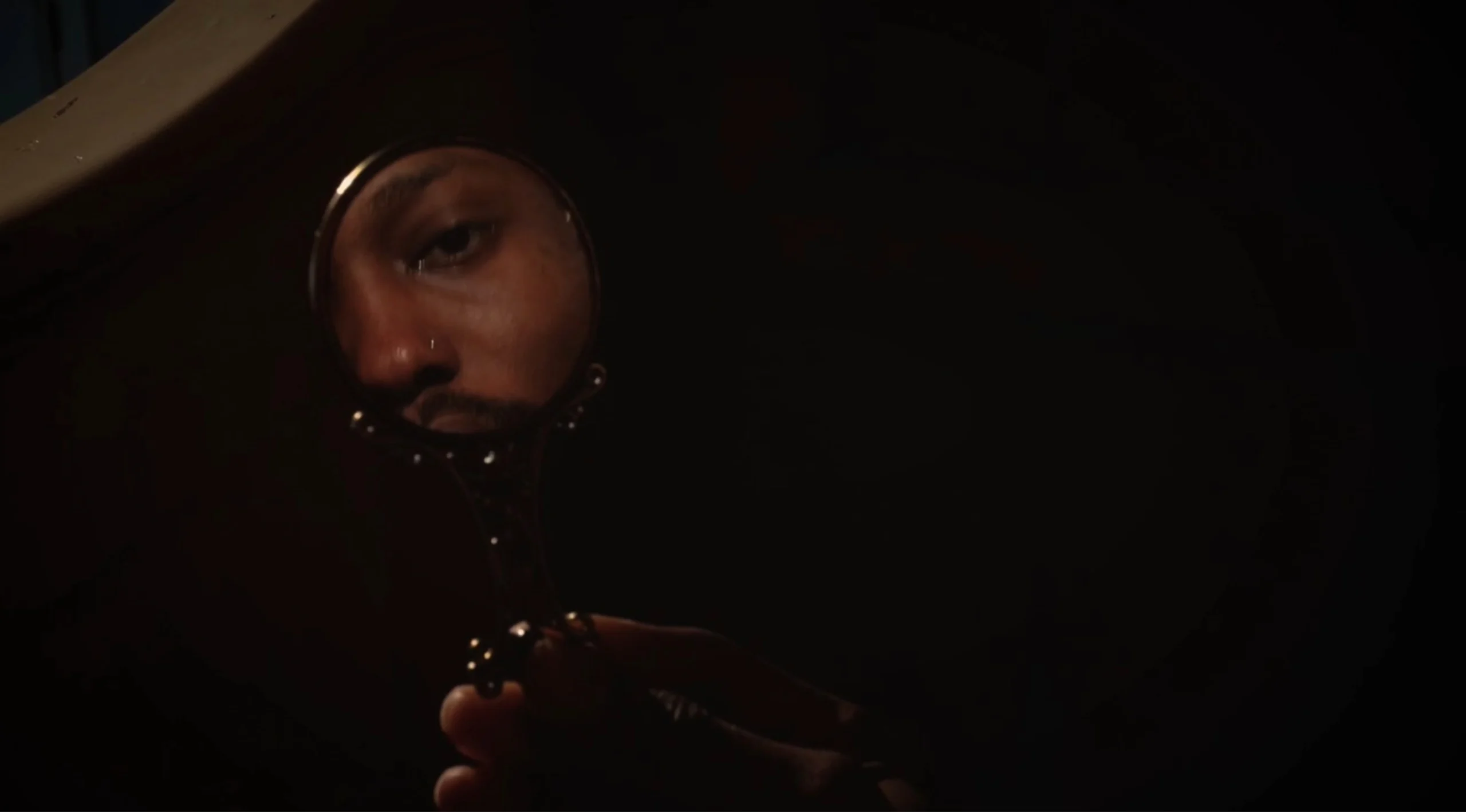
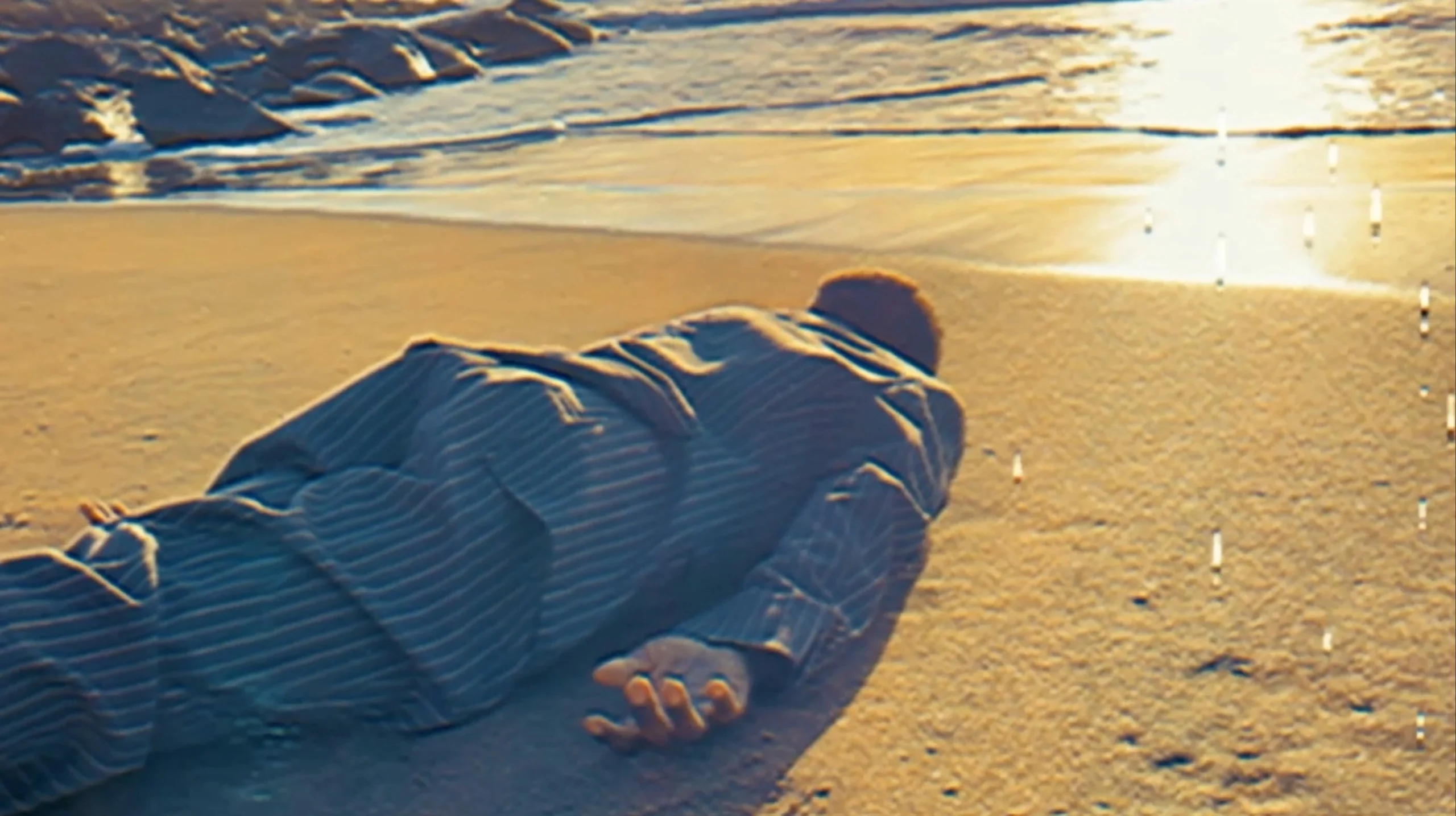
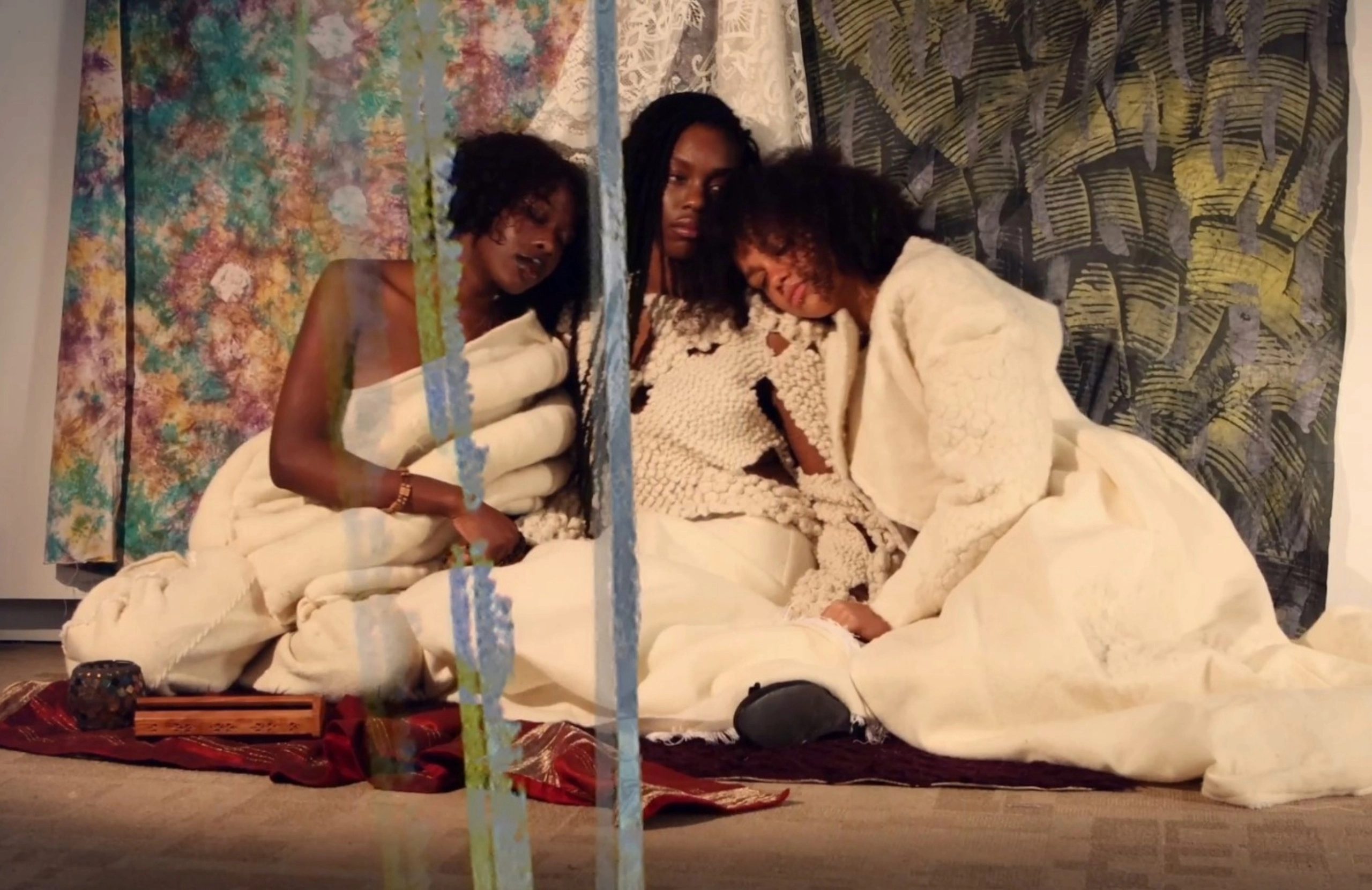
Jerry's Wives (2026)
Sekera’s work explores post-colonial practices and phenomena that work to voice the experiences of unseen Swahili citizens. She draws inspiration from archives, entire individuals and personal situations that aim to represent and explore Africanism in a just light. African art is usually categorised, or made to look primitive as that is the way Africans are portrayed in modern art. Sekera, through her art, erases that ignorance and shifts Western perspectives. Sekera’s work is an addition to new age African cinema, tackling subjects of race, gender, class structure and politics. This is evident in both of her recent shorts Bao (2026), which is about the diaspora wars between Africans & African Americans, and Jerry’s Wives (2026) which is a whodunit surrounding the mysterious death of a radio presenter in post-colonial Dar es Salaam.
Jerry’s Wives is a film that balances the humour of Nollywood cash grabs, and the artistic strength of Senegalese New Wave; meaning if directed differently and by different people it could fall under those categories. That is the beauty of African diasporic work, it can shift, holding space for mystery and entertainment. Jerry, the anti-protagonist himself, is inspired by Sekera’s grandfather who had multiple marriages but not in the polyamorous sense. In her research, this posed her the question: what would a polyamorous marriage look like in post-colonial Tanzania? By putting herself in the shoes of the people whose stories she is trying to tell, Sekera’s projects embrace a similar visual language, each challenging her artistically and technically. As a multi-disciplinary artist, Sekera leads productions, informed by first-hand research. Sekera says “I am both an image and moving image maker whose strength in narrative creation is prevalent and present in each piece. My work disrupts propaganda and portrays African people realistically”.