
-

- Gerard Burke
Gerard
Burke
Art is Praise
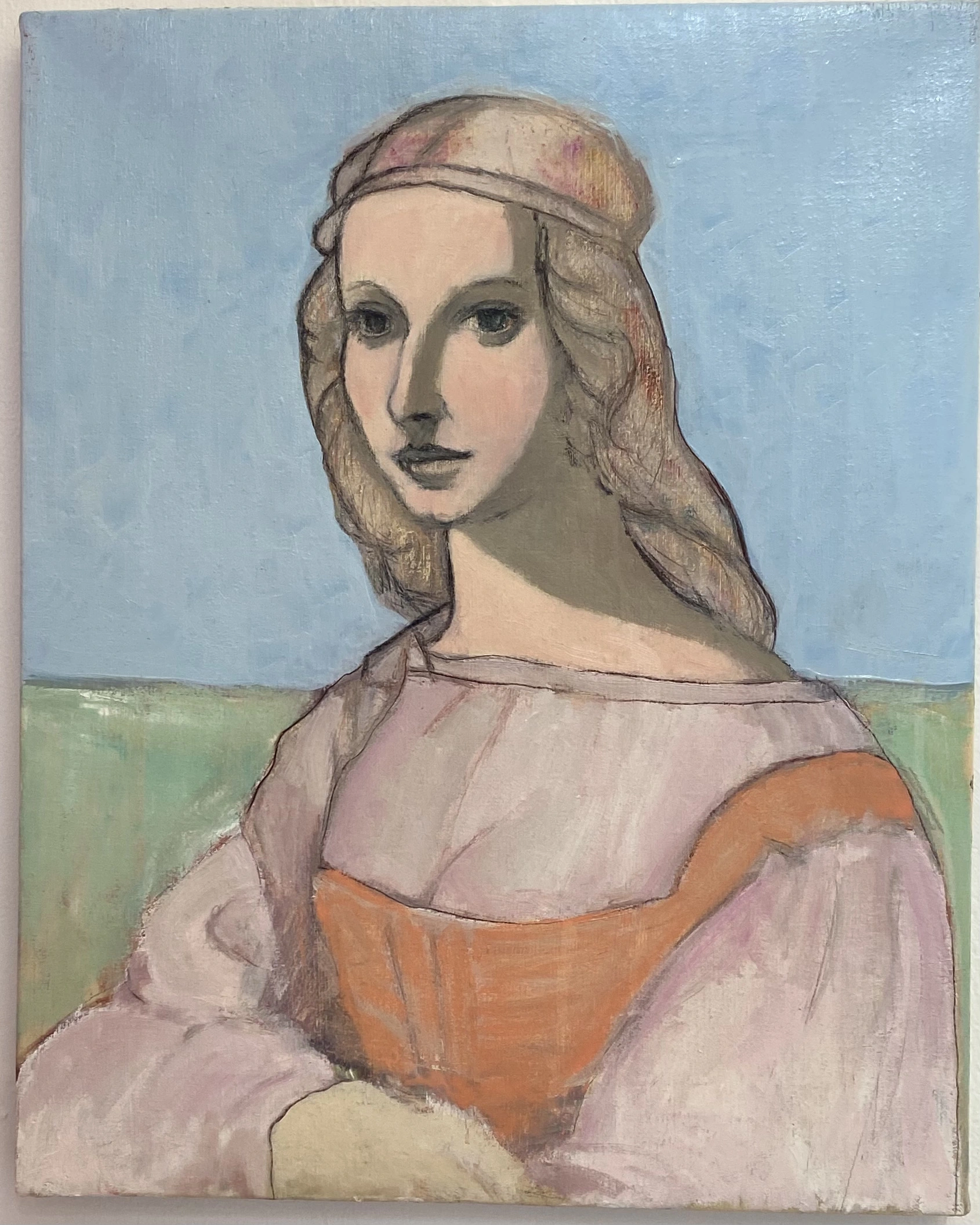
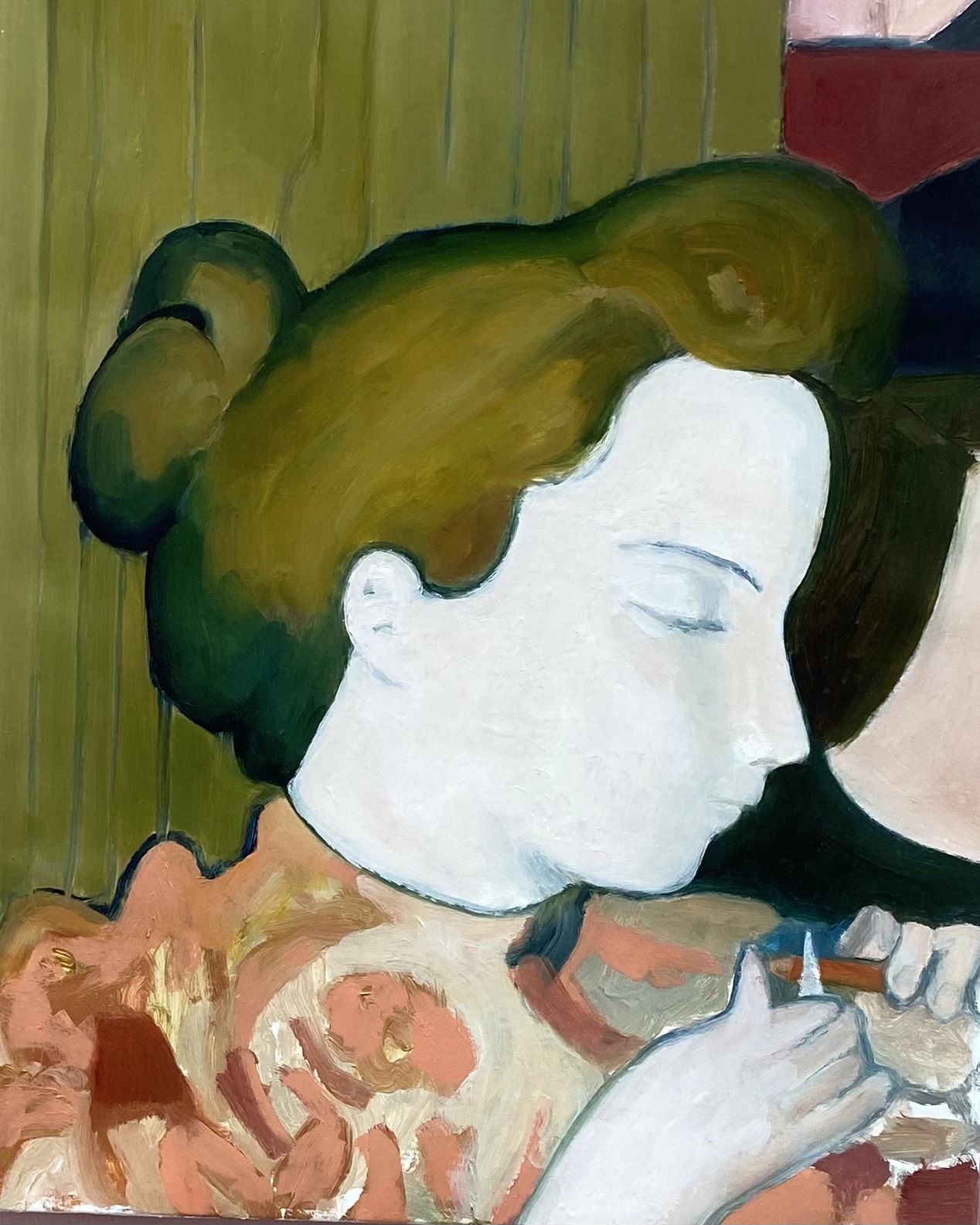
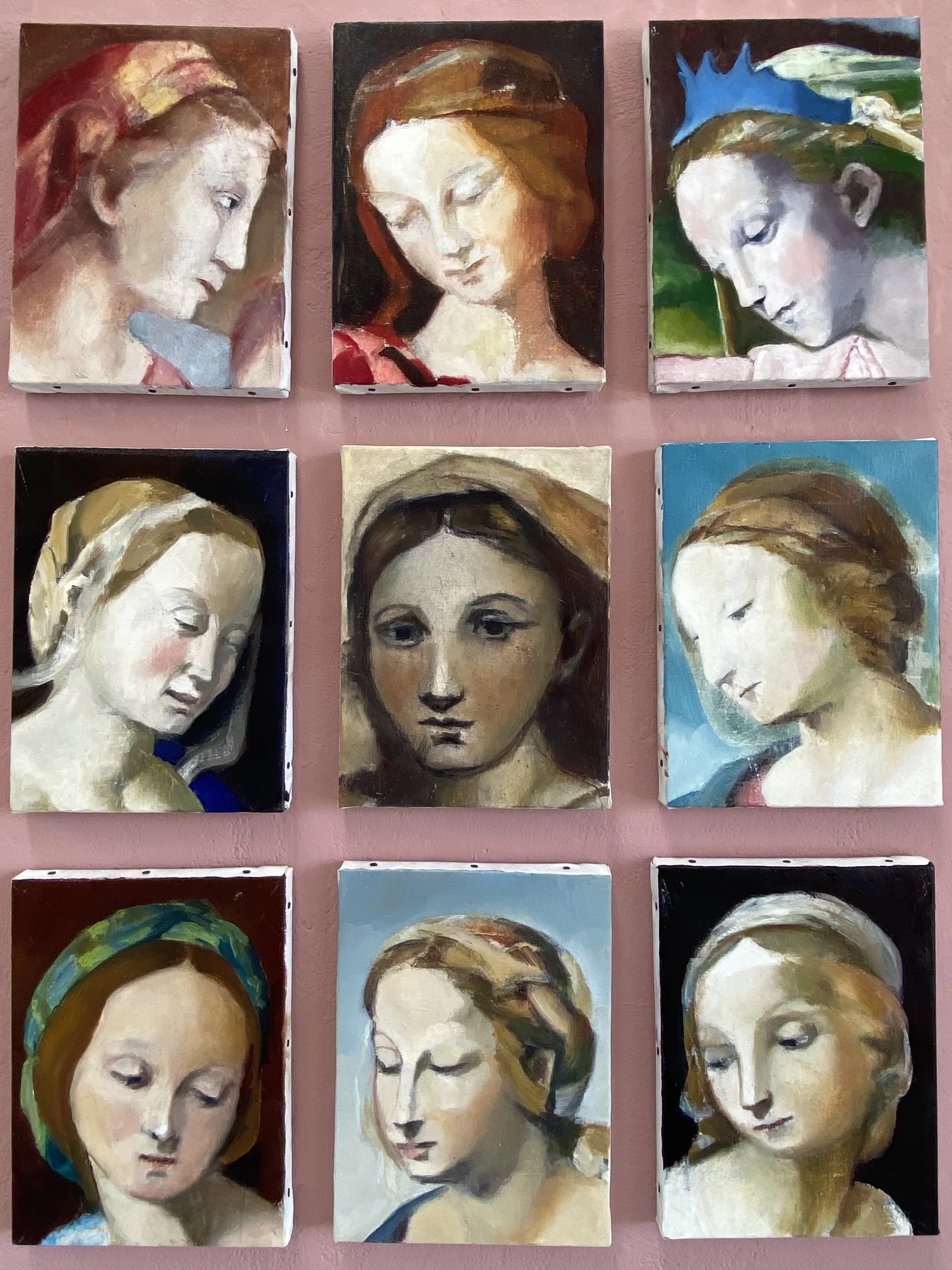
The medium of oil paint has an aesthetic potential that is suited to lauding and exalting the subject rather than disapproving or condemning it. This is largely how is has been used in European painting since the 15th century and I am more interested in older forms of painting than in the avant-garde. I believe that, for Europeans, our immersive experience of and cultural identification with painting is more about the Nabis, Cubism and the High Renaissance than it is about many current curatorial preoccupations. Our extraordinary heritage of European painting remains a deeply reassuring and unifying consitiuent in contemporary European life (would there be a Europen Union without it?).
A core tenet is that painting is still primarily a matter of form – colours, shapes, surfaces, juxtapositions – rather than content or concepts.
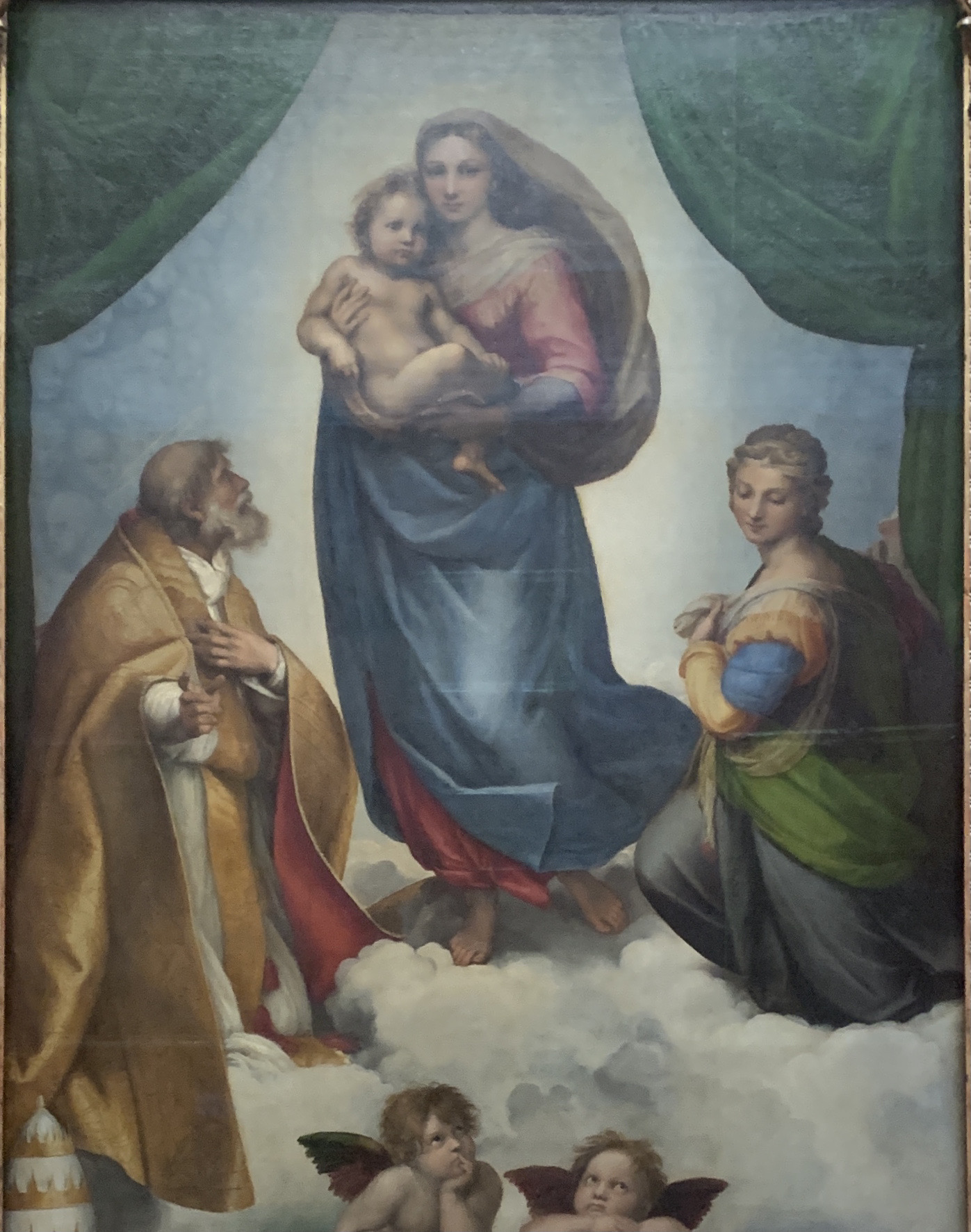
The selection of subject material is underpinned by a basic value system: art is a way of paying one’s respects and one chooses to paint something – a person, an animal, a room, a performance – that one has thought about, admired, loved, considered important, beautiful. Thus, the subject is elevated, exalted even. In this approach, there is agreement with John McGahern’s concept of art as ‘praise’ and with Maurice Denis, for whom the essence of art was to express love and faith. Perhaps because of his previous work, he has particular regard for the ‘madonna and child’ genre of painting and he sees Raphael’s seeking of perfection in works such as the Sistine Madonna as profoundly intellectual.