
-

- Laura Keaveney
Laura
Keaveney
Ciúnas
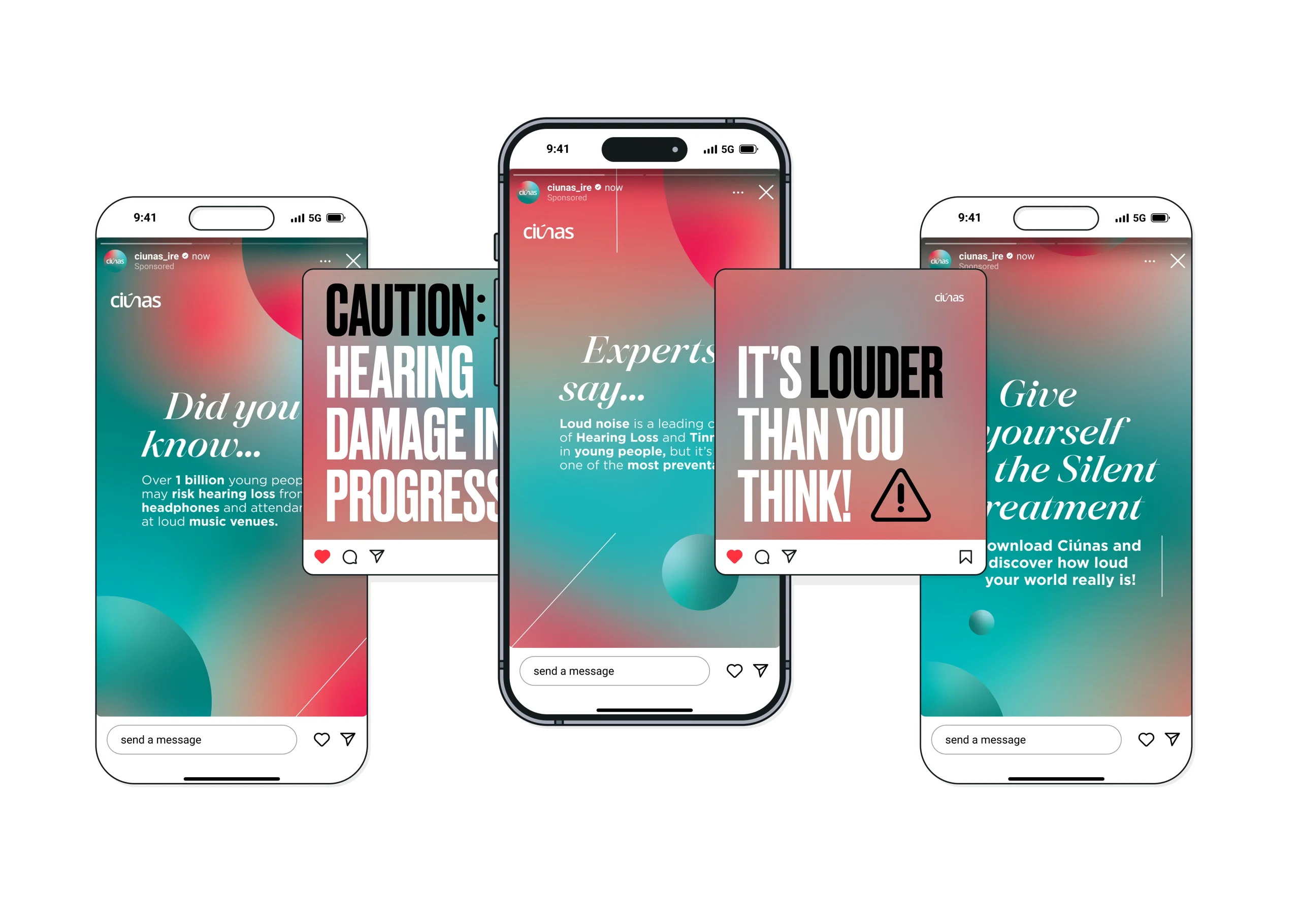
Ciúnas is a digital awareness campaign that encourages people to protect their hearing in everyday loud environments. While it is primarily aimed at younger audiences, it is relevant to people of all ages, promoting action against noise-induced hearing loss and helping to prevent future damage. To reach its audience, Ciúnas is active on social media platforms such as Instagram, where it shares facts and information about hearing loss, how to prevent it, and what to do if you think you may be affected.
At the centre of the campaign is the app. Once you create an account, it tracks your noisiest times and places, providing prompts to wear earplugs or step away from loud environments when needed. Users can review their data over days, weeks, months, and years, with insights into their average noise exposure.
The app also includes a recording feature that allows you to measure noise levels in real time. After recording, it displays the decibel level of your environment and gives relevant prompts, for example, if the level exceeds 85 dB, you’ll be advised to wear earplugs or move away from the noise. Notifications can also be enabled, which is especially useful in louder settings like nights out. If noise levels rise above safe limits, your phone will vibrate to alert you, prompting you to take action.
In addition, the app features an explore section with articles covering hearing loss, its different types, prevention methods, and guidance on what to do if you think you may have hearing damage.
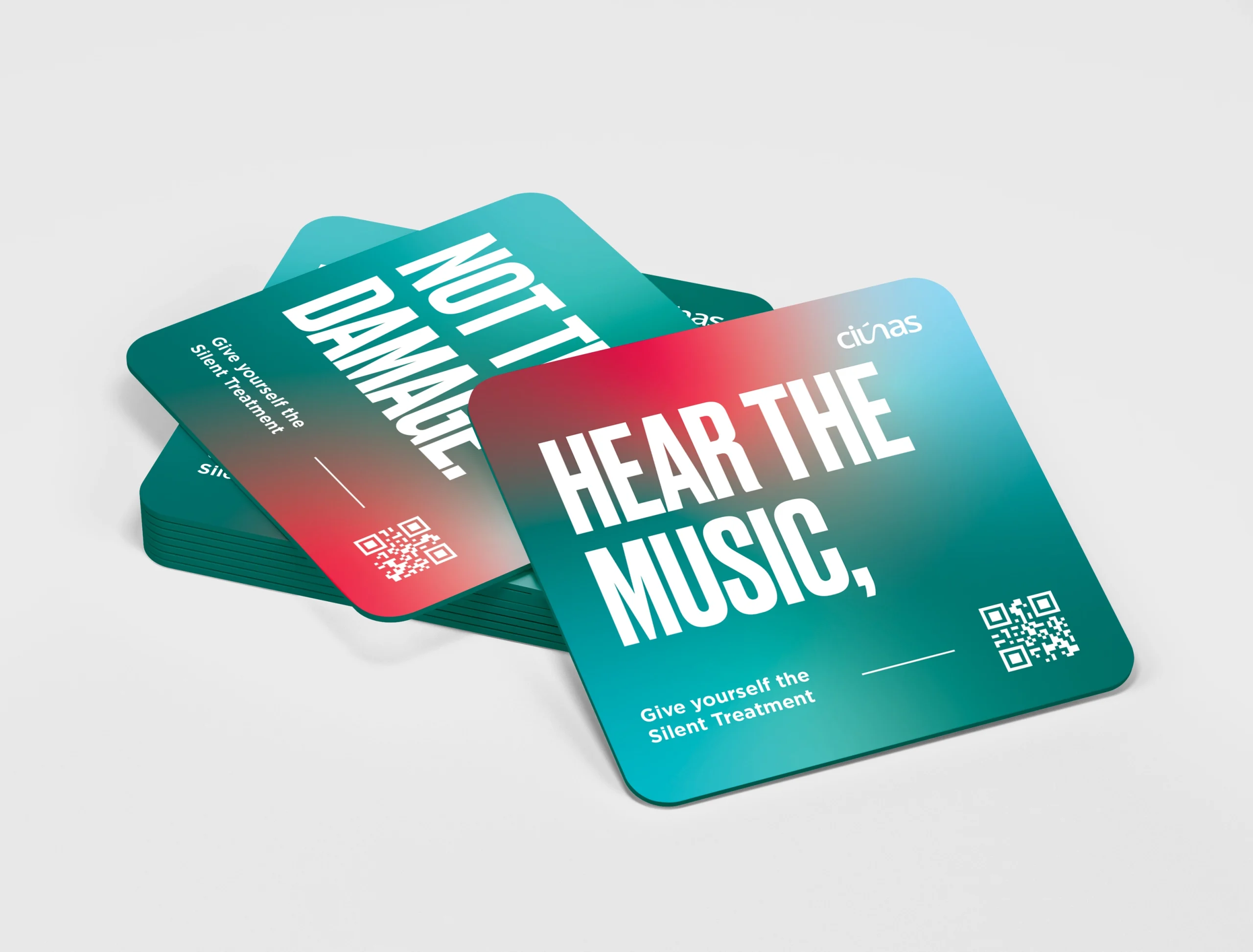
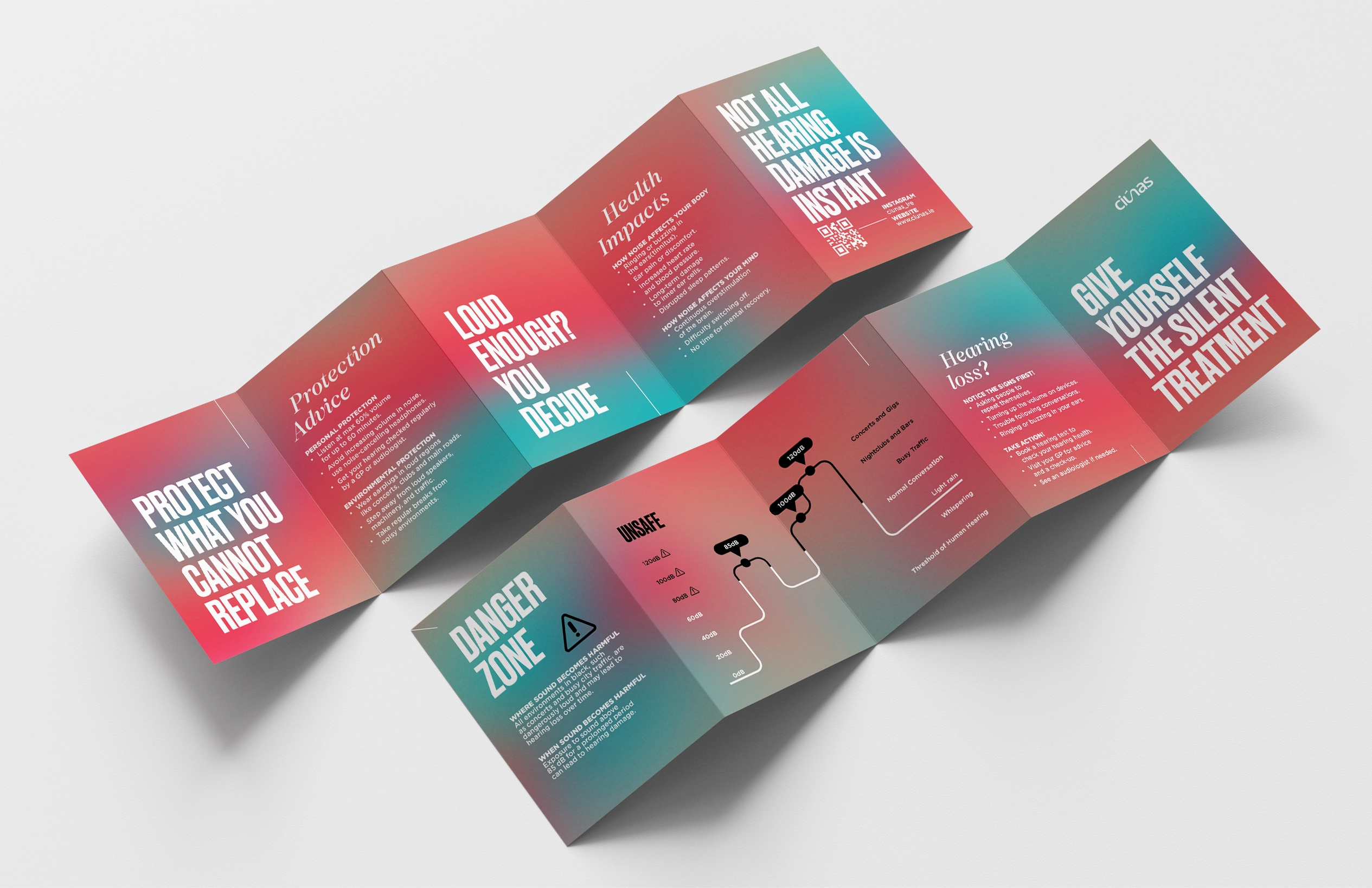
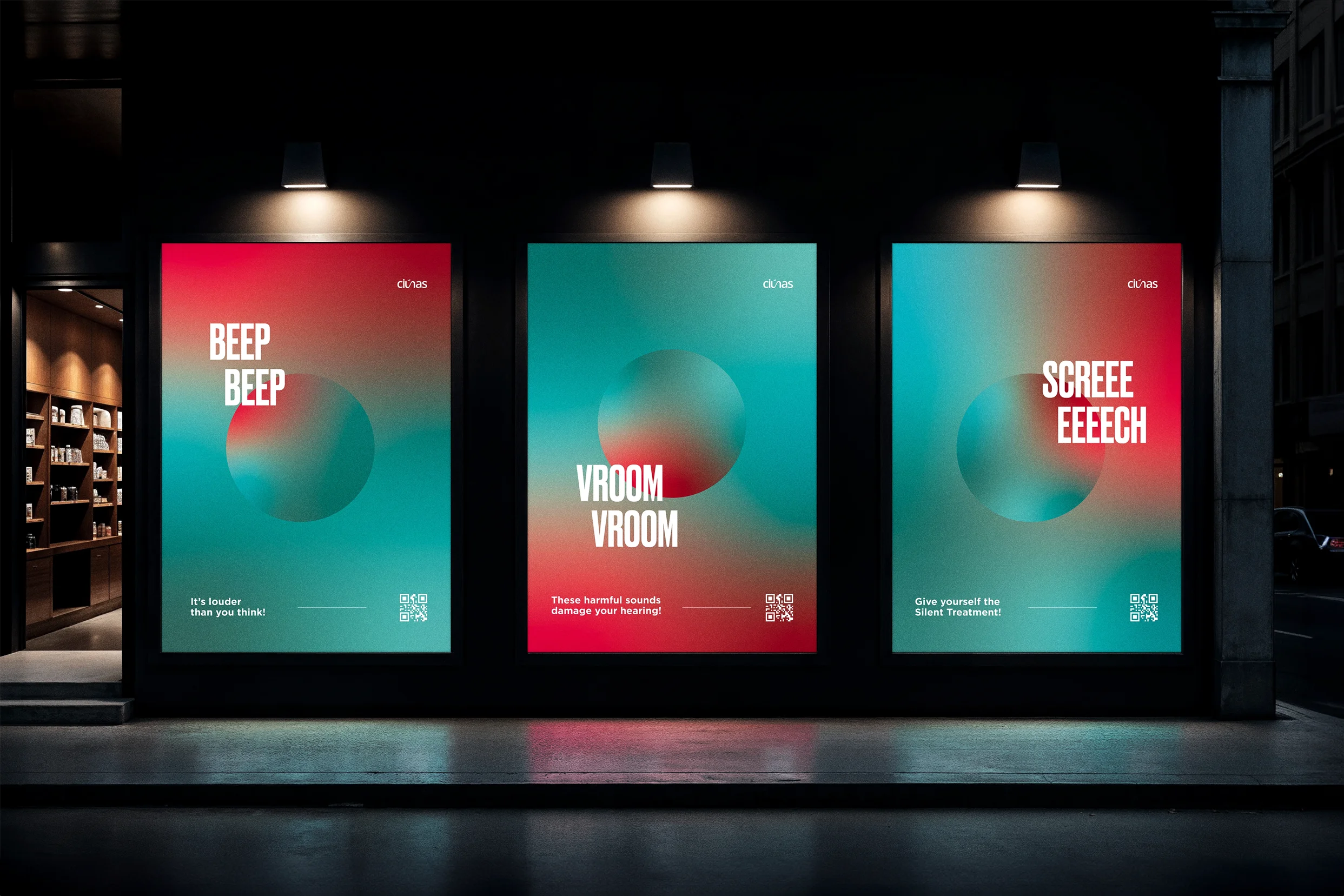
To reach a wider audience, Ciúnas also includes printed elements such as posters, Adshels, leaflets, stickers, and beer mats, placed in noisy environments to catch the public’s attention in everyday settings.
Crack the Code
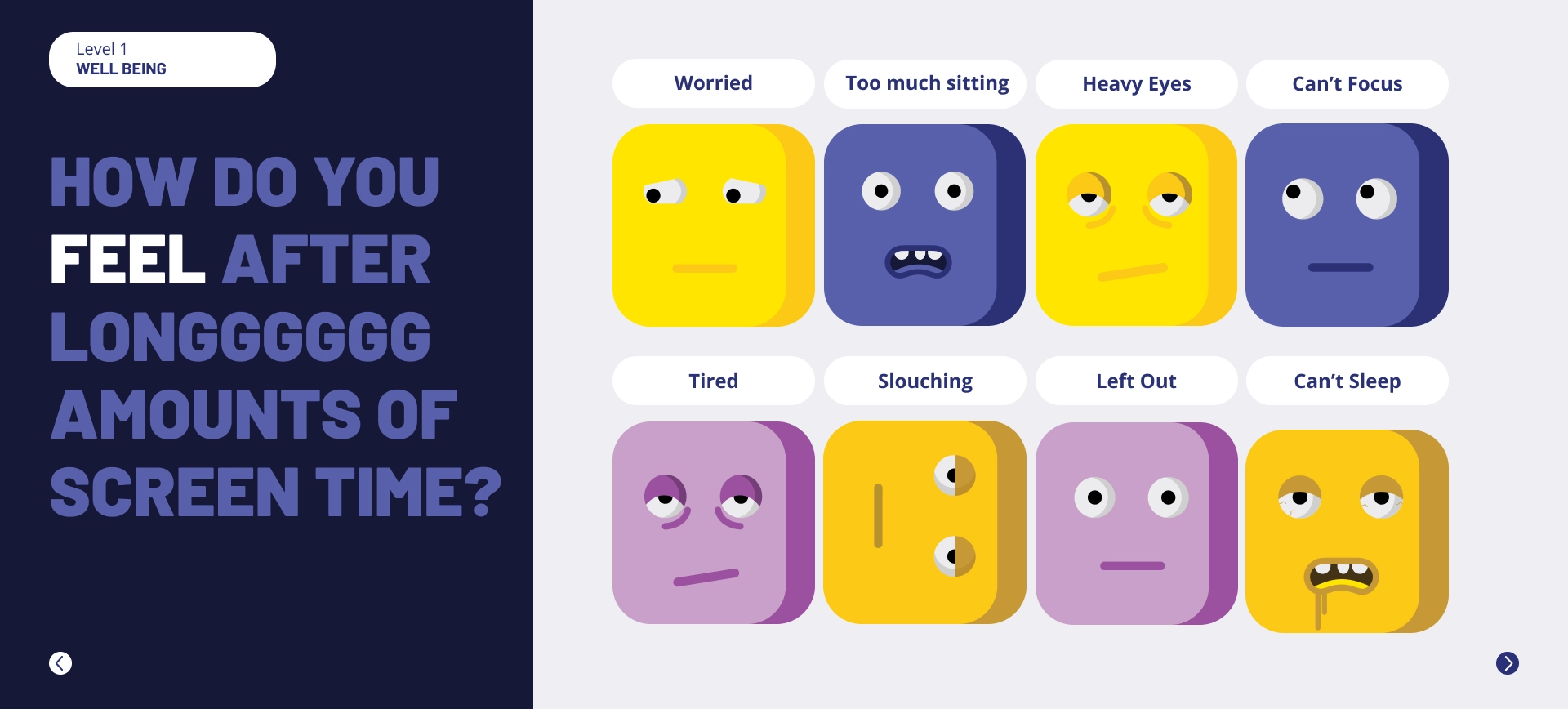
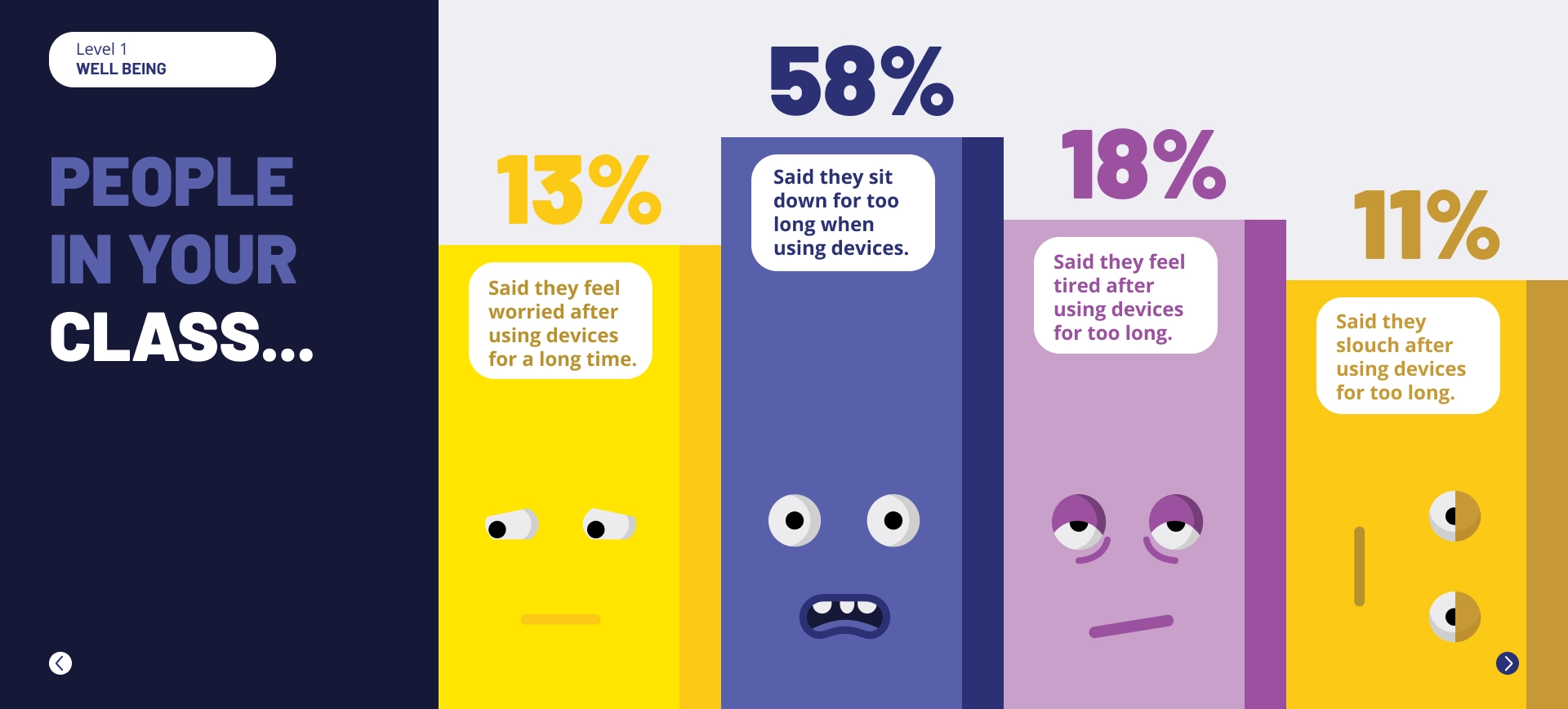
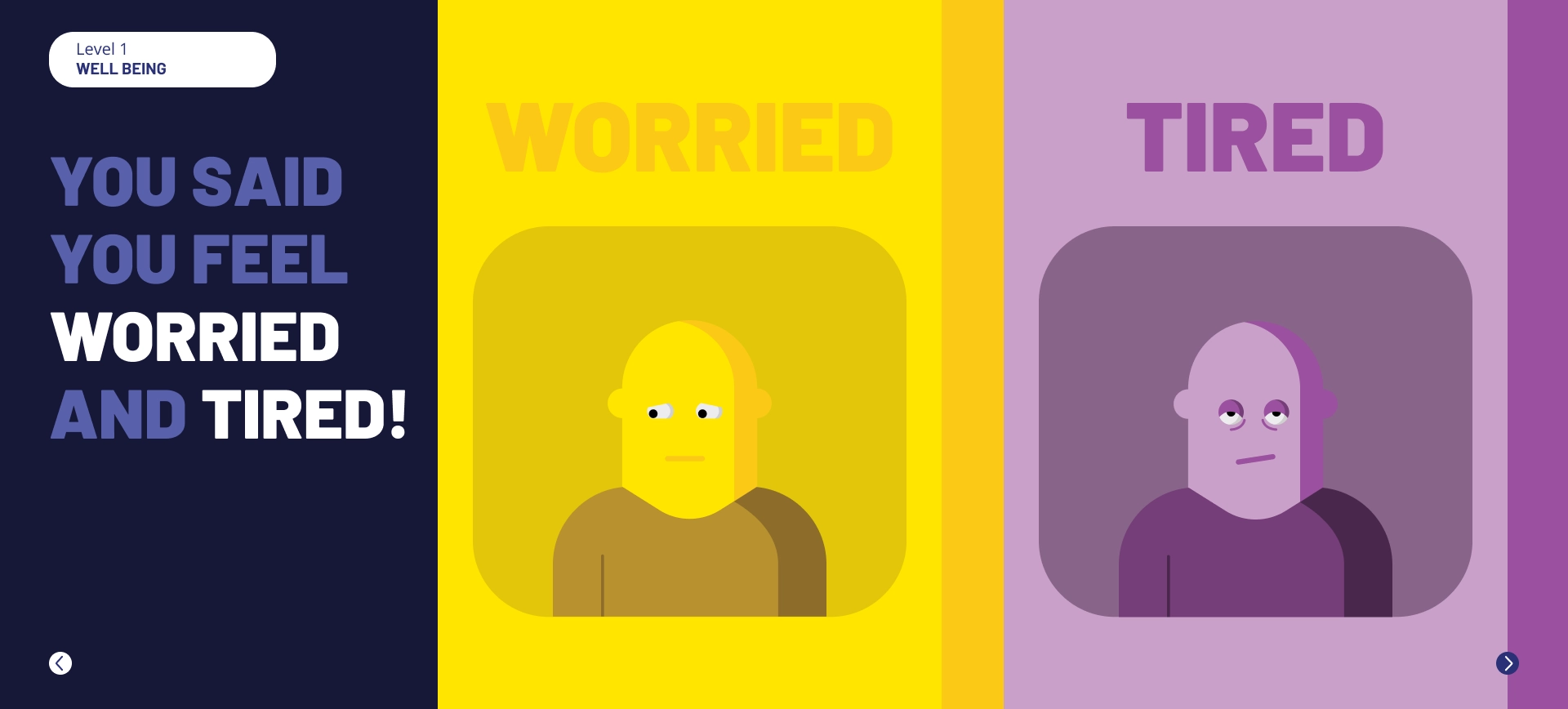
Crack the Code is an educational tool designed for late primary school pupils aged 10–12 (4th to 6th class). The programme is divided into themed levels covering key areas of digital safety, including screen time, online content awareness, stranger danger, protecting personal information, gaming safety, well-being, and cyberbullying.
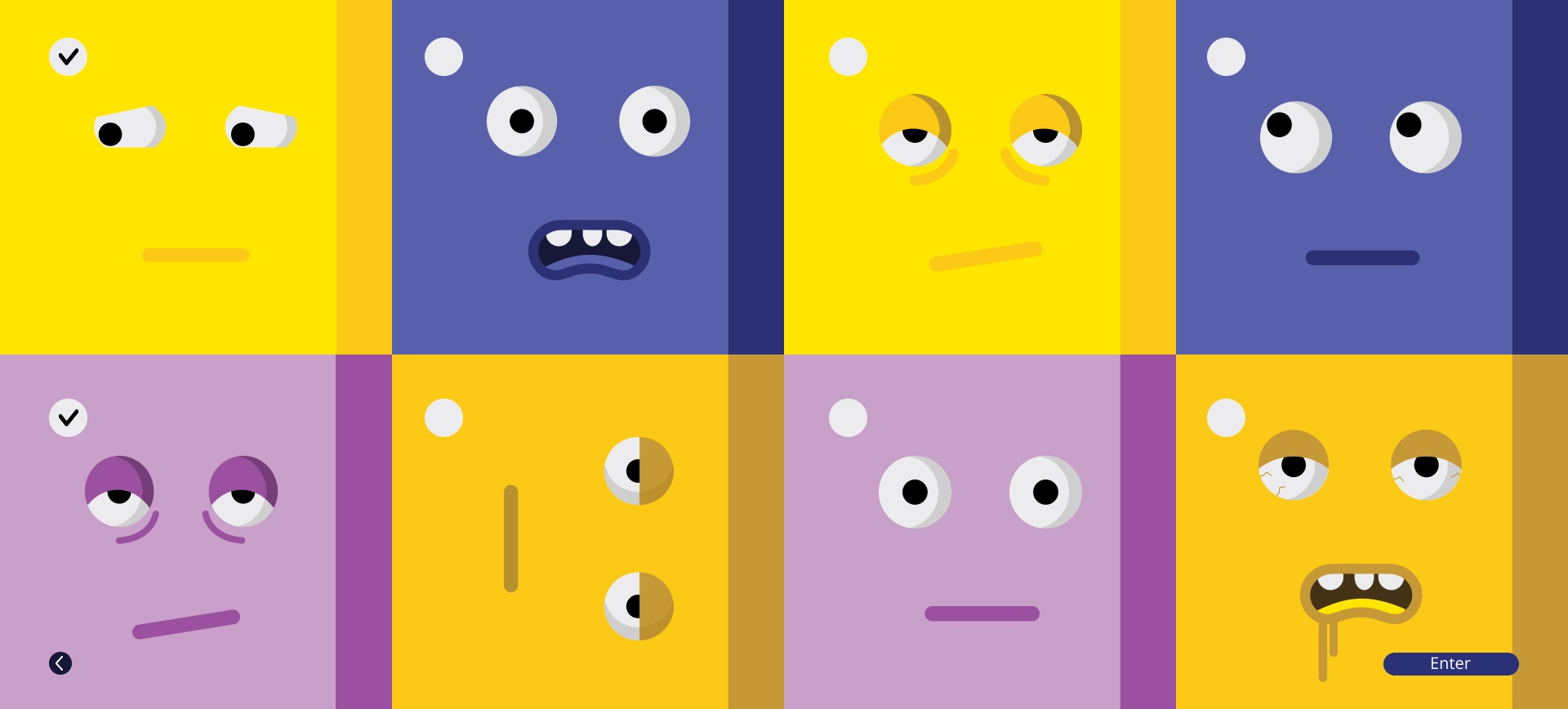
The content is delivered by the teacher using presentation screens on the classroom whiteboard, ensuring a structured and guided learning environment. Each pupil also uses an iPad synced with the programme, allowing them to follow along, engage with activities, and receive a more personalised experience based on their responses. This approach supports active participation, strengthens understanding, and helps pupils build essential digital skills they can carry forward in their everyday lives.
Let's Clear the Air
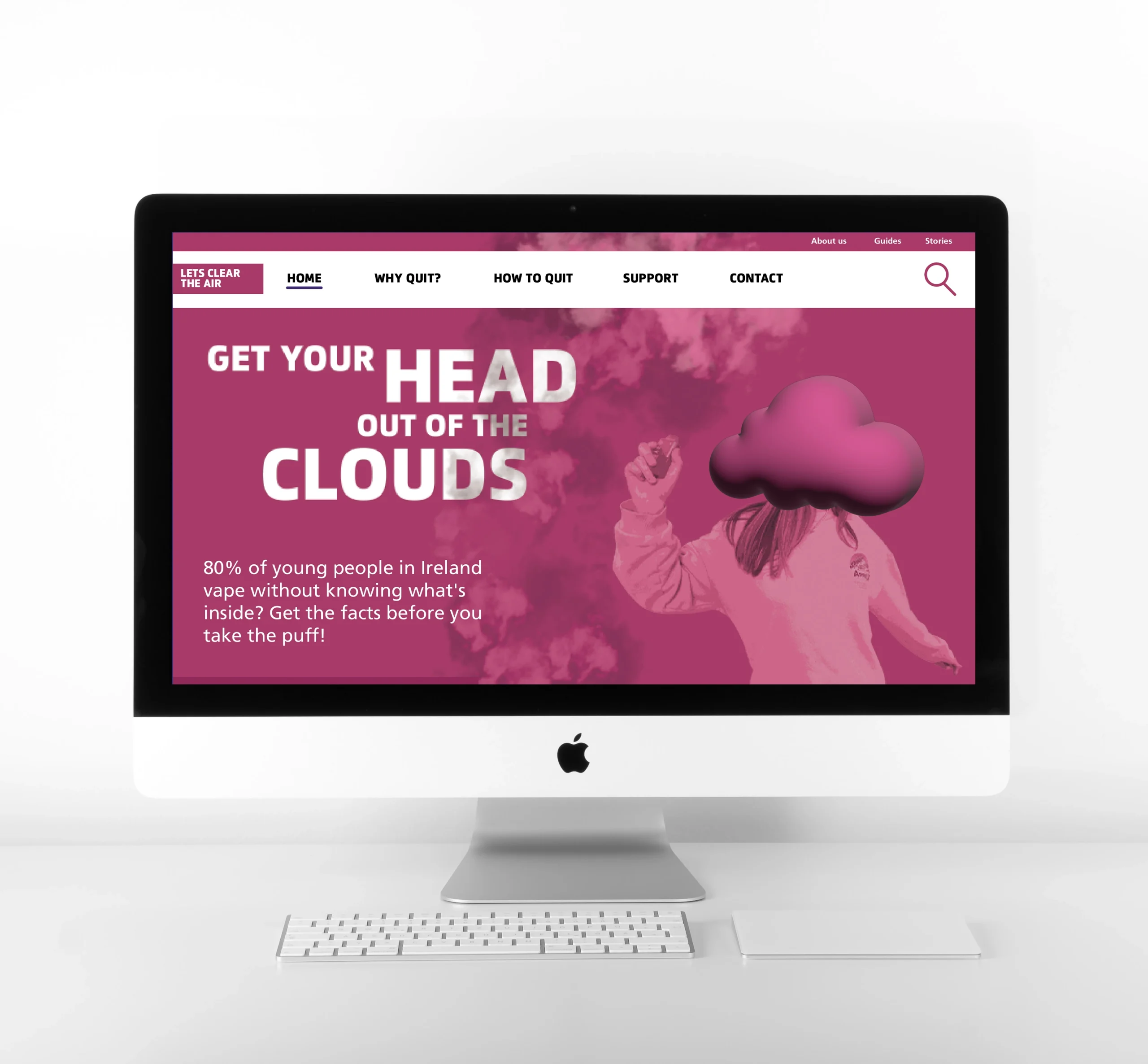
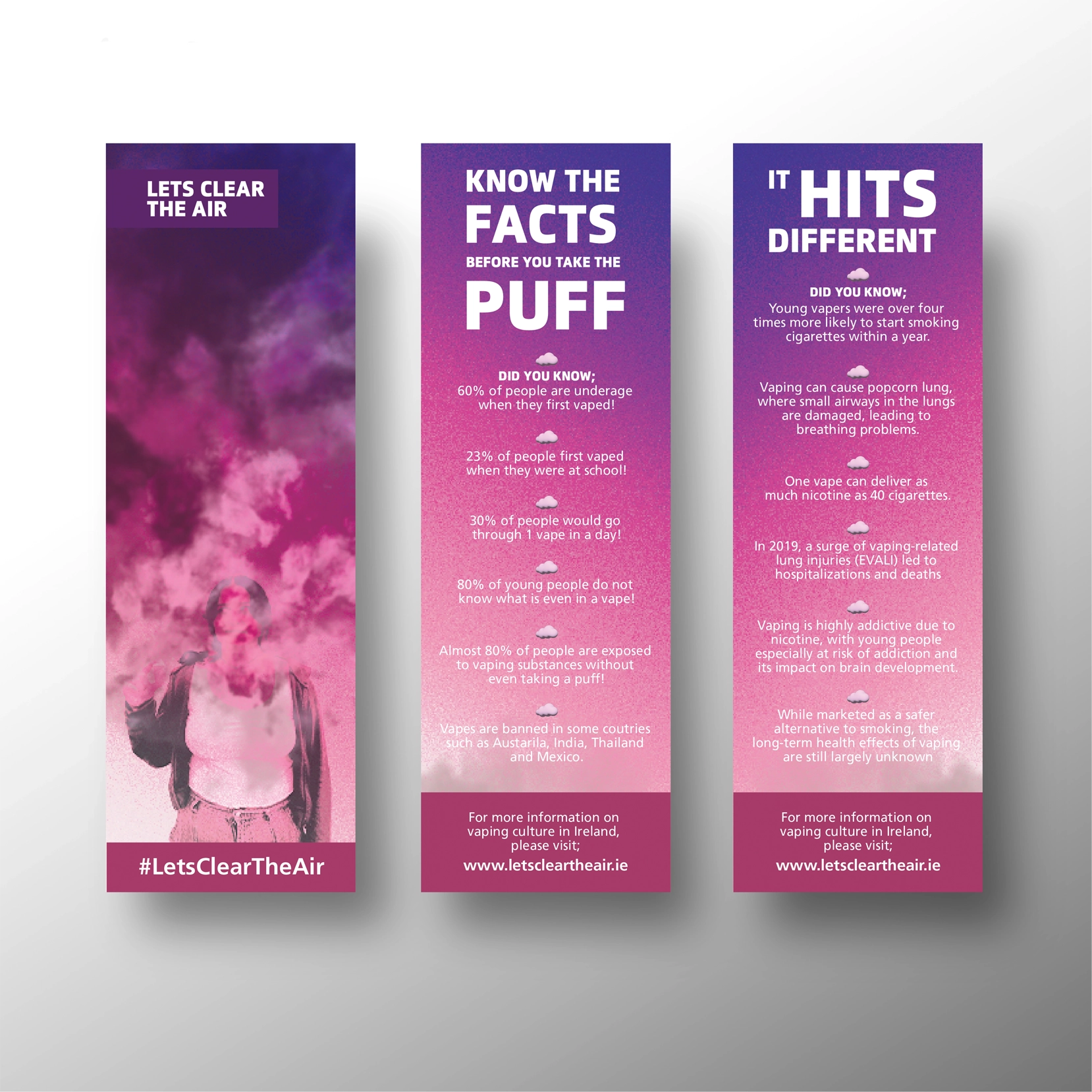
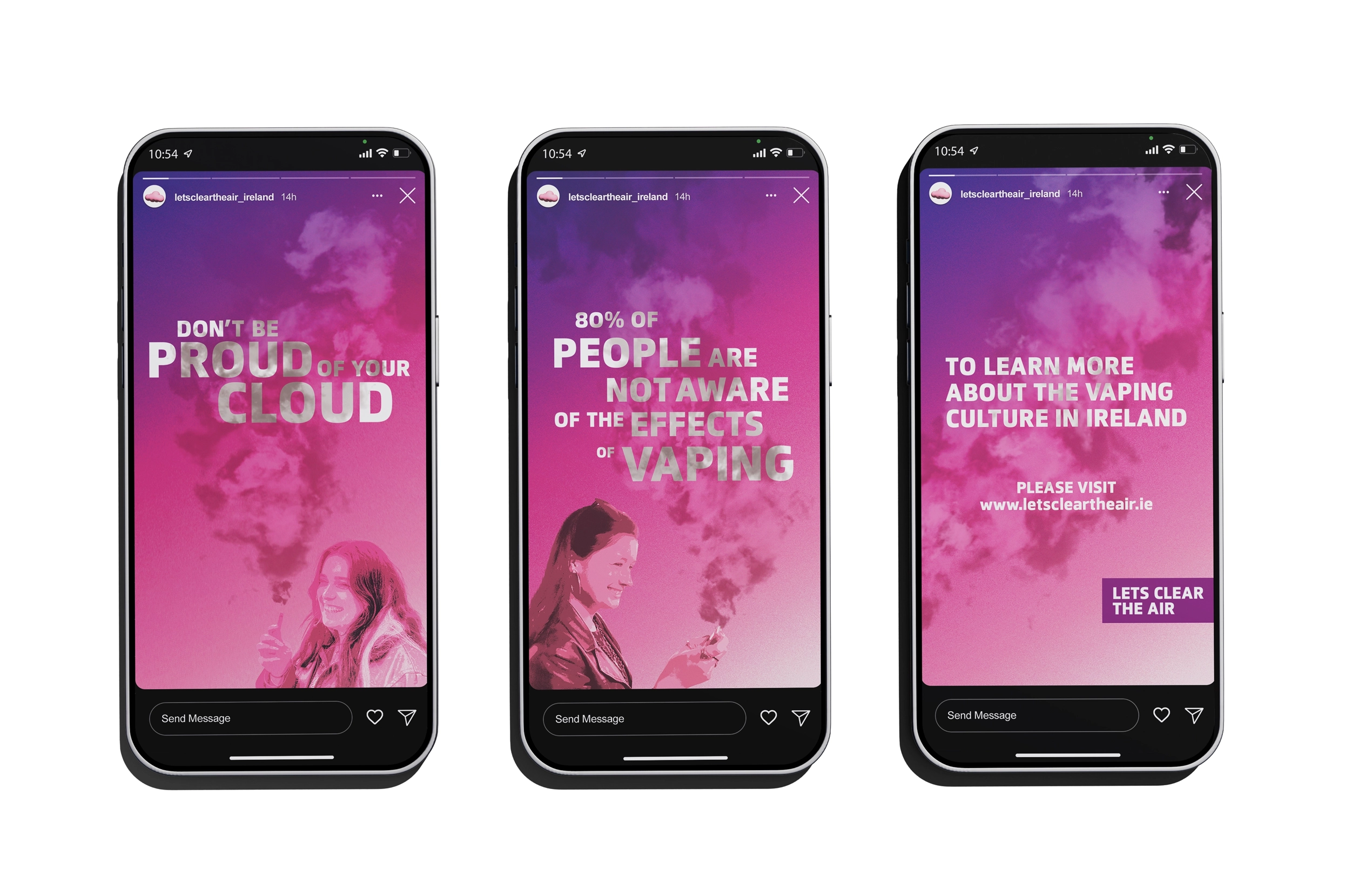
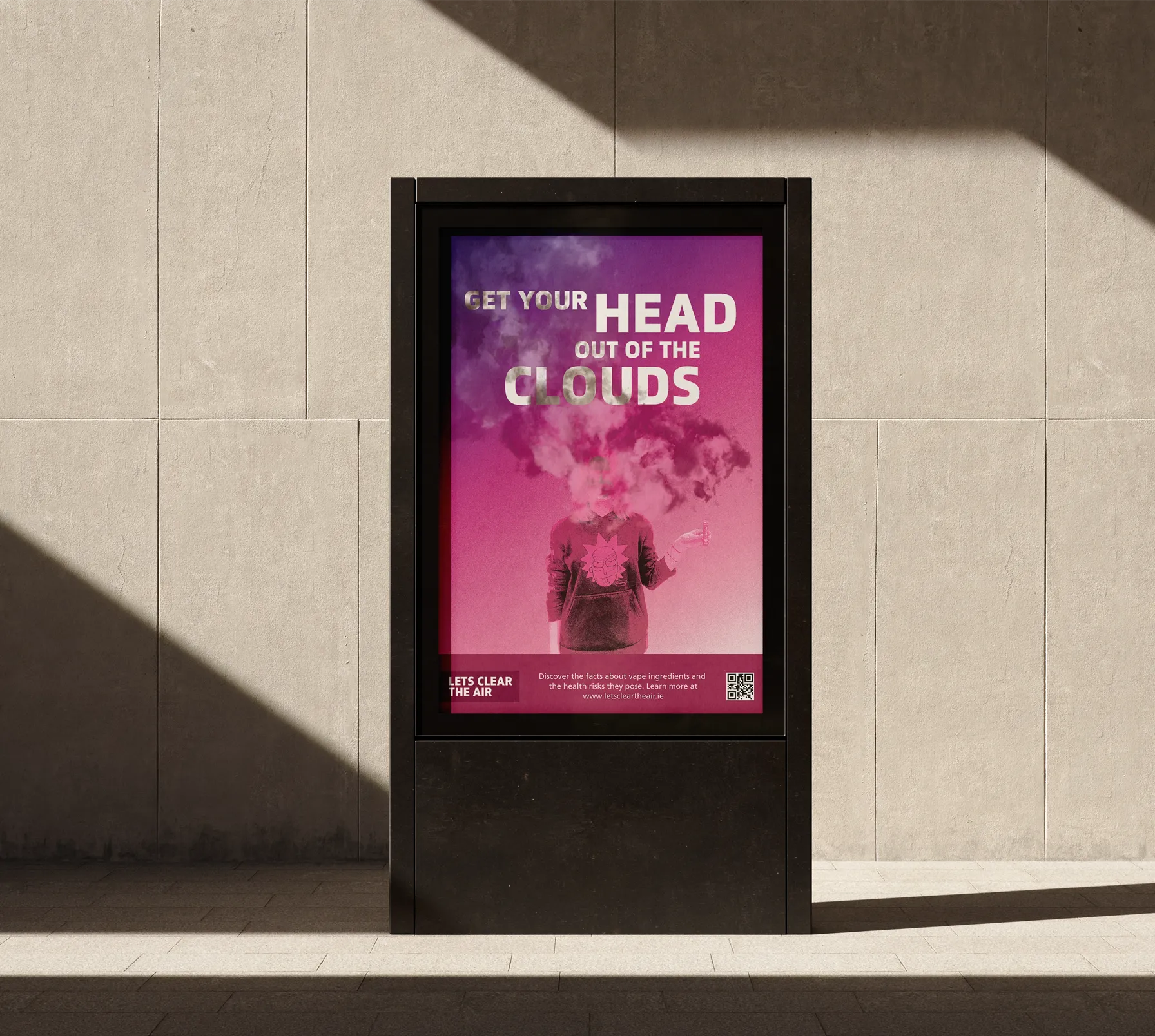
The goal of this campaign is to shift young people’s perception of vaping, emphasizing its hidden risks. Vapes are often marketed with bright, fun colours, but their contents are far from harmless. This campaign focuses on raising awareness, especially among teenage girls, who are statistically more likely to vape than boys. By targeting this demographic, the message aims to highlight the dangers and consequences of vaping.
The visuals use bright pinks and blues, inspired by vape packaging, paired with bold typography like e-cigarette branding. To connect with the audience, platforms like Instagram were utilized, alongside physical items like bookmarks, badges, and stickers designed for school-goers.
Let’s Clear the Air aims to engage teenage girls about the long-term risks associated with vaping and educate them enough to encourage healthier choices and avoid vaping in the future.