
-

- Adam MacMahon
Adam
MacMahon
Volume 1. Nihilism
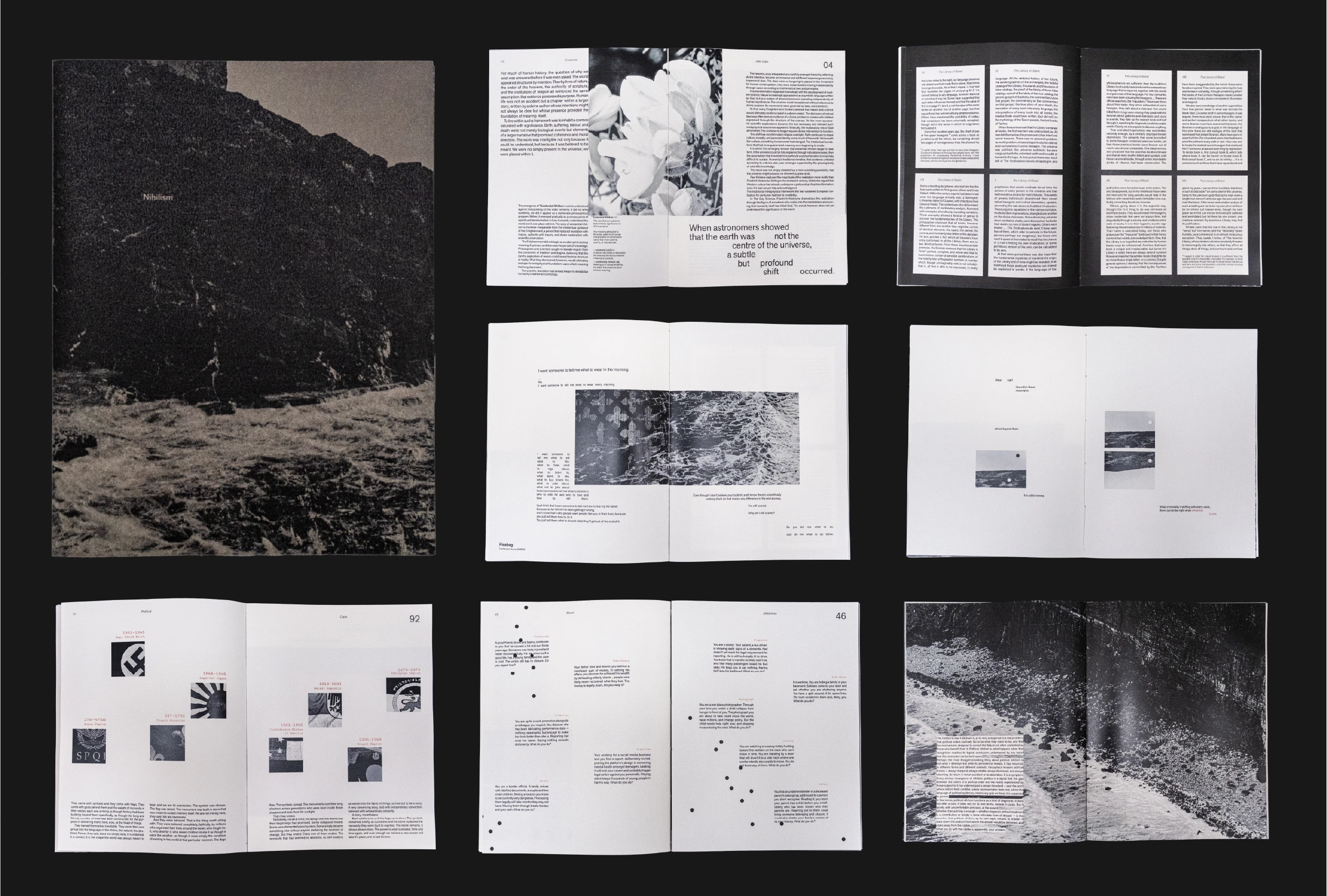
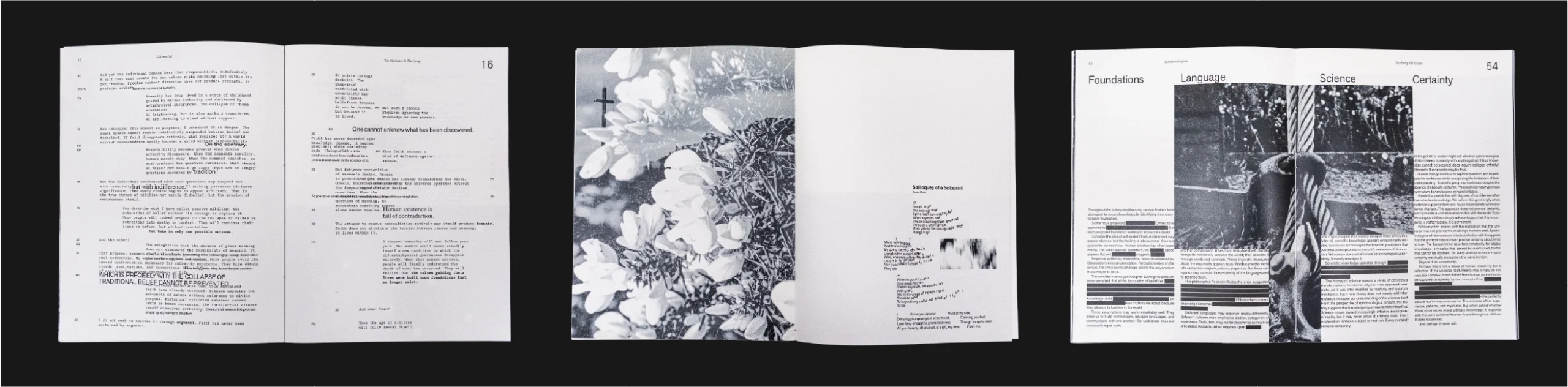
This publication is the first volume in an editorial series exploring influential philosophical ideas. This opening edition explores Nihilism, beginning the series with a philosophy that undermines and rejects others.
I find there are quiet moments throughout the day, unremarkable and almost weightless, where we are left suspended between fulfilment and unease. When life seems stable, with love, belonging, and an absence of fear, an ache can remain. It is not an ache of suffering, but one of not fully knowing our place or purpose. This project emerges in that space, offering room, without forcing an answer, to sit with both the freedom and discomfort uncertainty brings.
Nihilism challenges the existence of meaning, morality, and purpose. It is often reduced to pessimism, yet it is far more complex. This inquiry does not attempt to conclusively define Nihilism, nor argue for or against it. Instead, it approaches it as something encountered when other explanations fall short. Its ideas are explored in tension with our instinct to search for meaning.
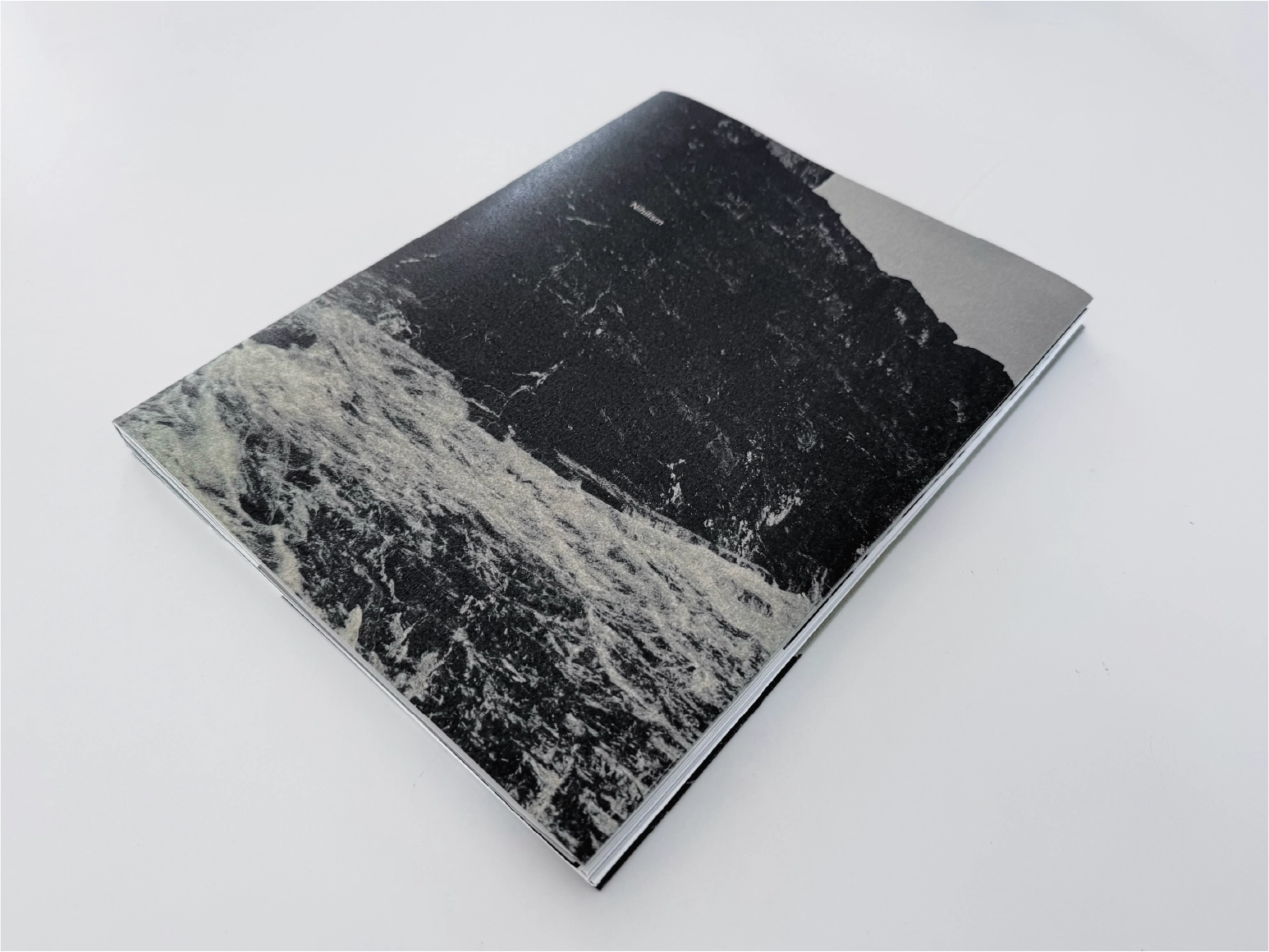
The design reflects this condition. Typography, image, and layout act as metaphors, shifting between tension and space, absence and pressure. The exposed binding, disconnected cover, and material choices reflect resistance to resolution and certainty, leaving the publication deliberately open.
Nivara
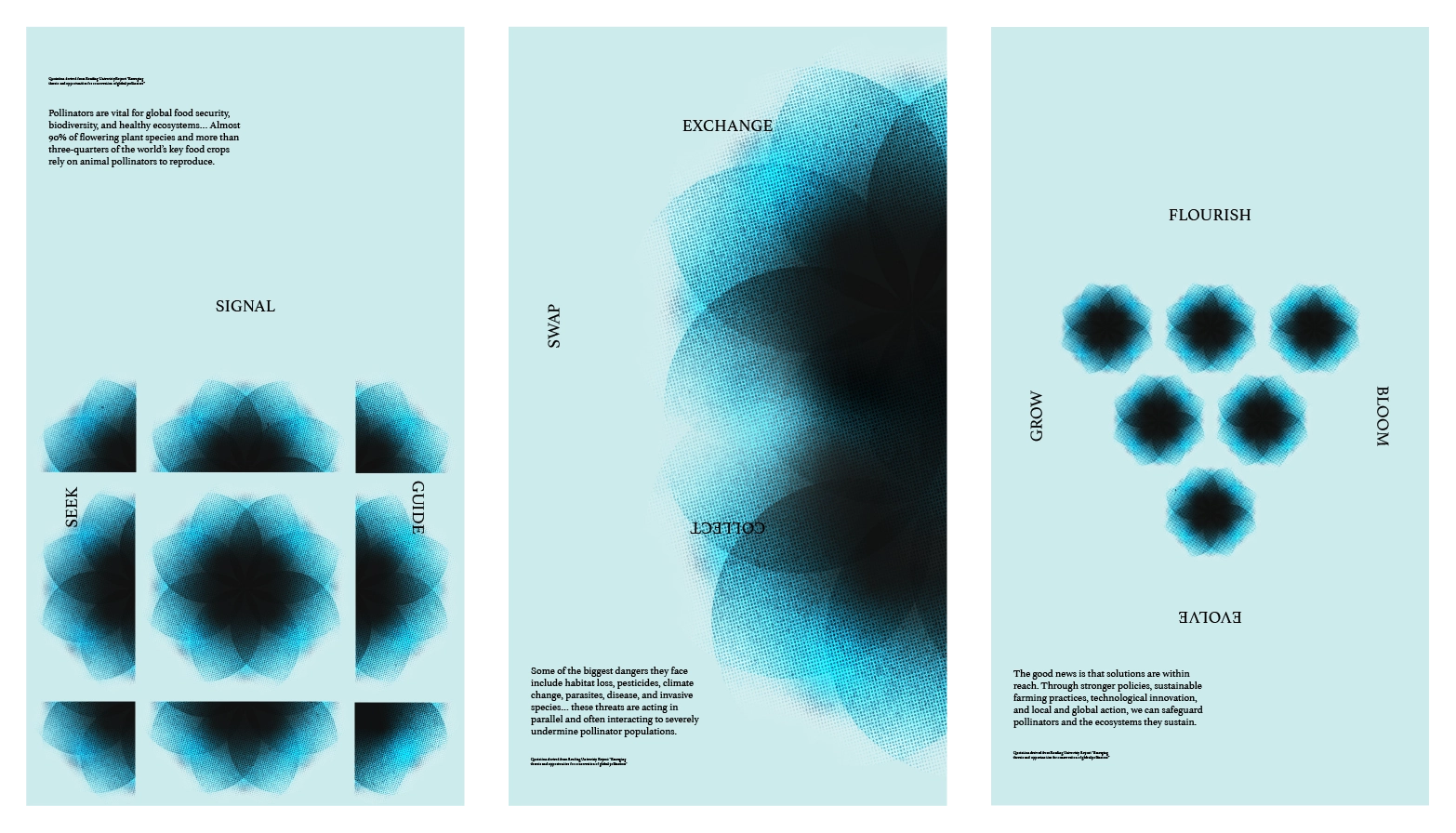
Nivara, meaning shelter & peaceful place in Sanskrit, is a triptych poster series developed in response to the University of Reading’s report ‘Emerging Threats and Opportunities for Conservation of Global Pollinators’. The series celebrates both the intricate and elegant nature of pollination through abstract graphics, meanwhile outlining its significance and importance with direct excerpts from Reading Universities report.
The series is visually inspired by bee’s unique UV vision and flower nectar guides, which together position bees as the most critical and efficient pollinators in ecosystems worldwide. Each poster within the series showcases a different element of pollination through an abstract graphic:
- Pollinators and flowers finding one another through evolution and natural cues.
- The mutual exchange of nectar and pollen.
- The flourishing of plants and pollinators alike as a result of the relationship.
An animated interpretation of the collection stands as a separate piece complimenting the series. The visuals in motion, illustrate the pollination story, demonstrating its elegance and complexity while promoting the reports message of conservation.

Stop The Spike
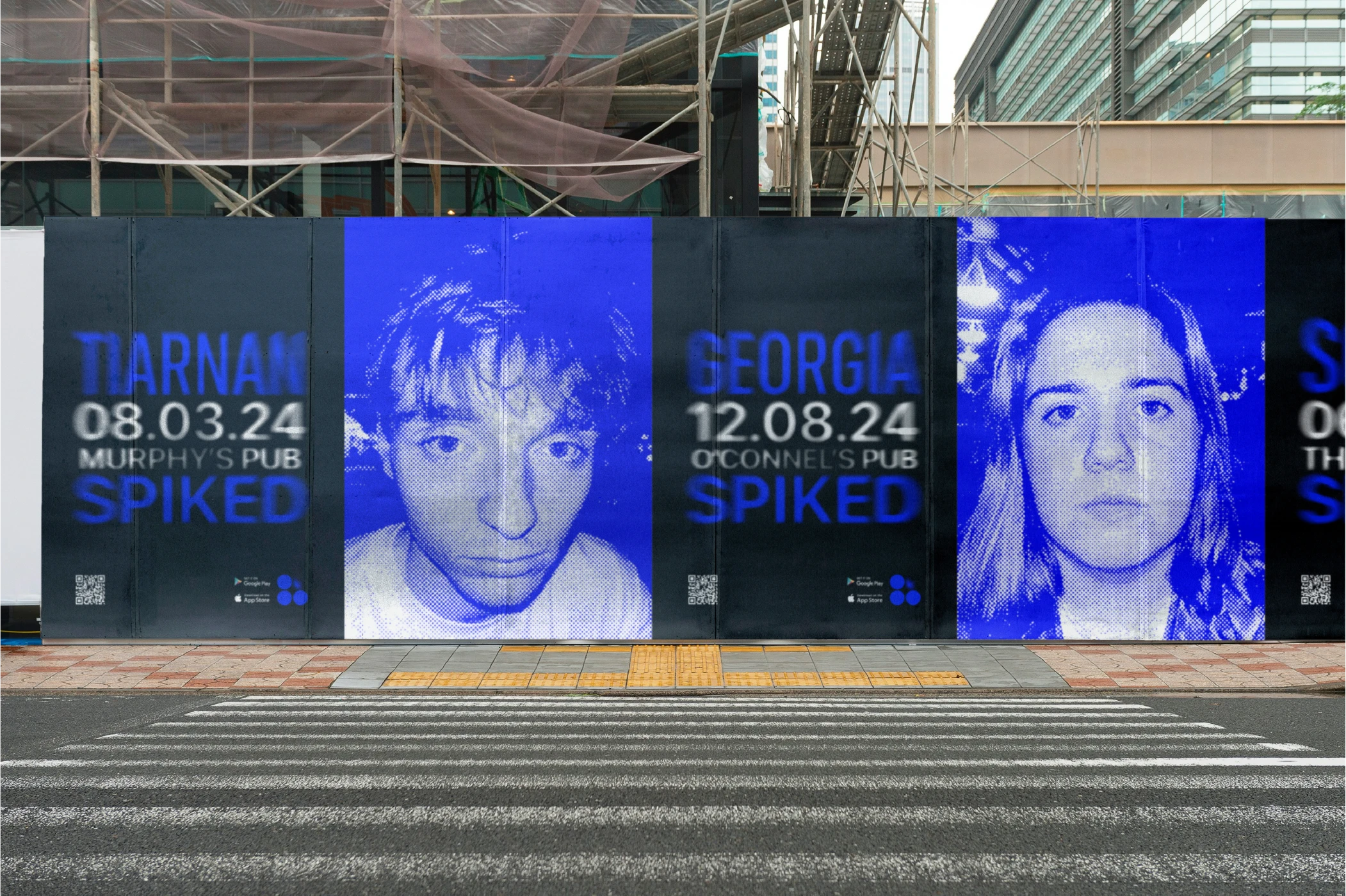
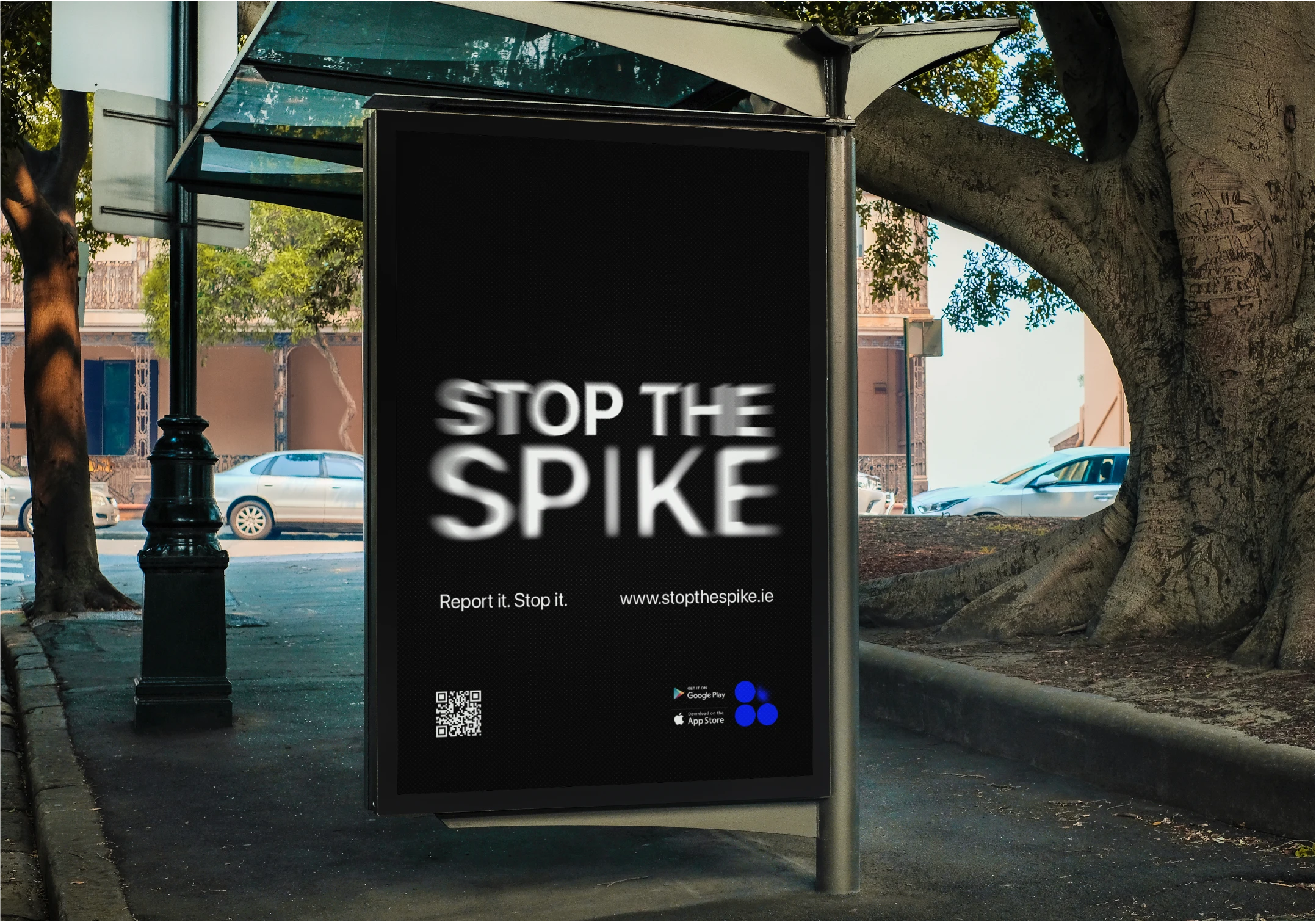
Stop The Spike is an integrated campaign focused on tackling the rising crime of spiking in Ireland and its harmful impact on young Irish adults. Aiming to raise awareness and demand accountability, it required an approach that could break through the noise and engage the target audience.
The campaign takes a striking and direct approach, sounding the alarm for young Irish adults through familiar imagery and the visualisation of statistics. It also targets the nightlife industry, encouraging it to take responsibility for customer safety.
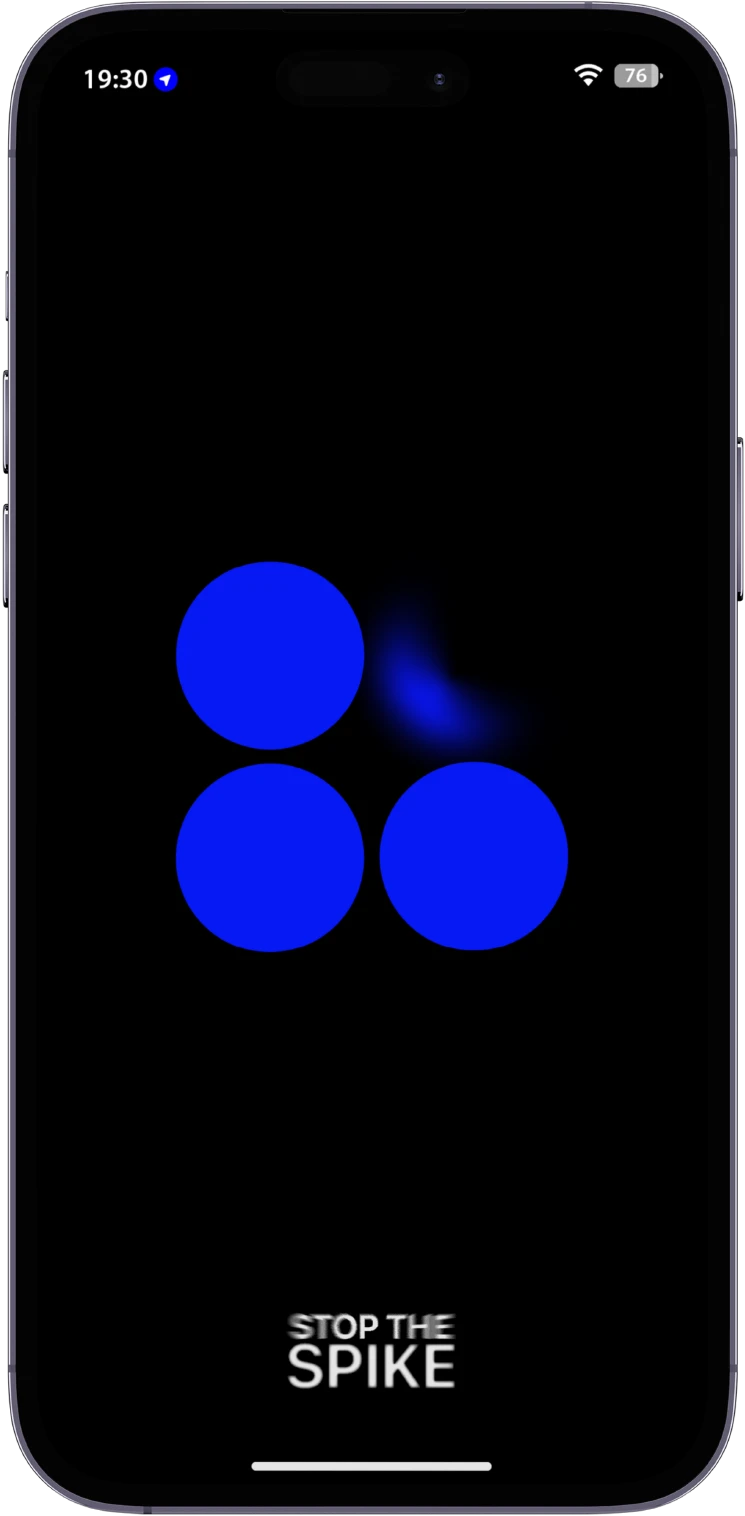
The identity references the act of spiking through the use of dot marks, inspired by pills and needle puncture marks. These marks are accompanied by a fluid gradient and expressive typography that reflect the effects of spiking. Together, these identity elements represent victims, tell a story, and provoke change.
The Stop The Spike app aims to place the power of information in the public’s hands. It empowers users to report incidents and locations where spiking has occurred. The app also allows users to search locations, view localised statistics and read victim’s stories.
The campaign is implemented across multiple channels including social media, print and digital out of home. Stop The Spike focuses on challenging the nightlife industry and empowering its target audience to get involved and drive change.