
-
- Sinead O Mahony
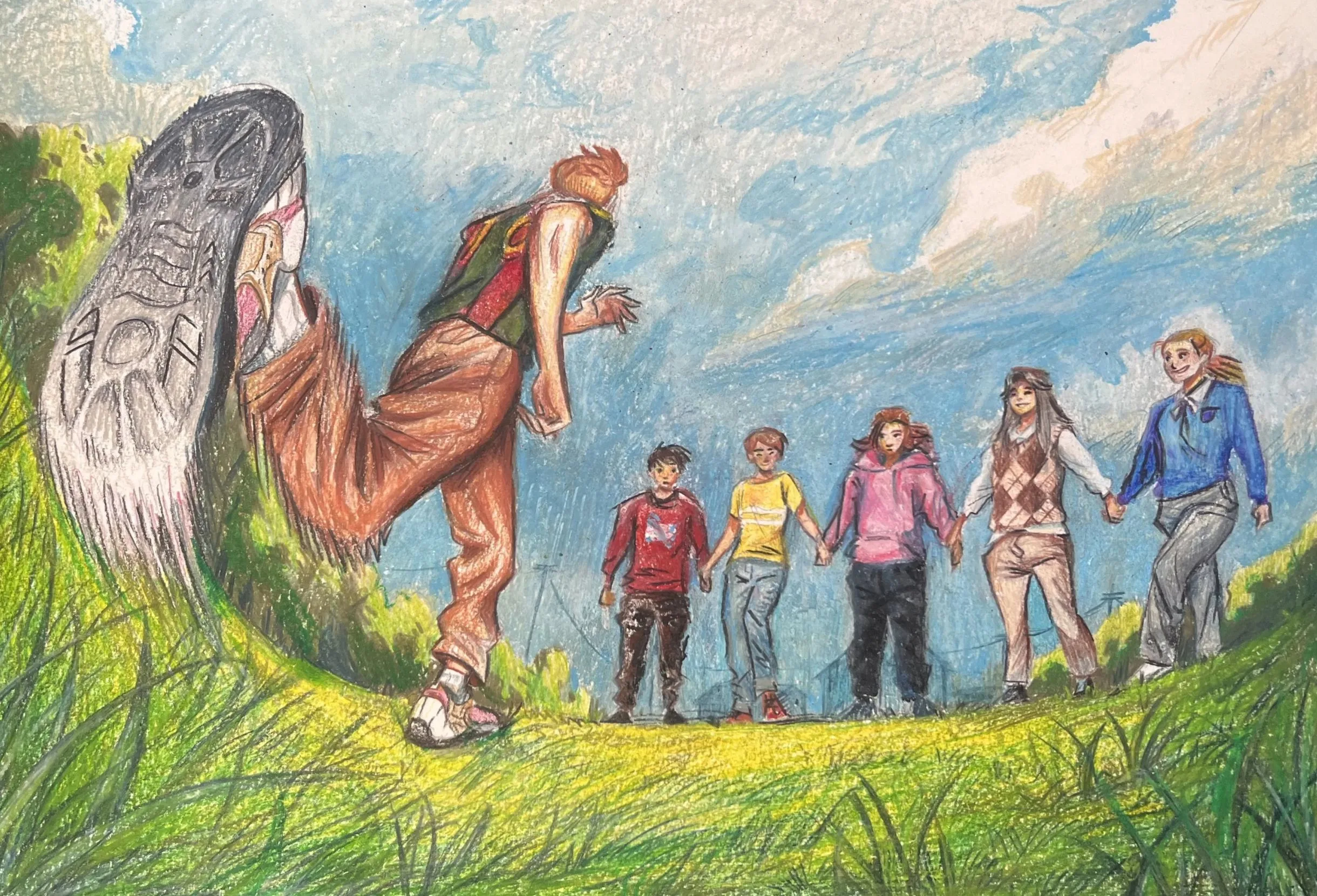
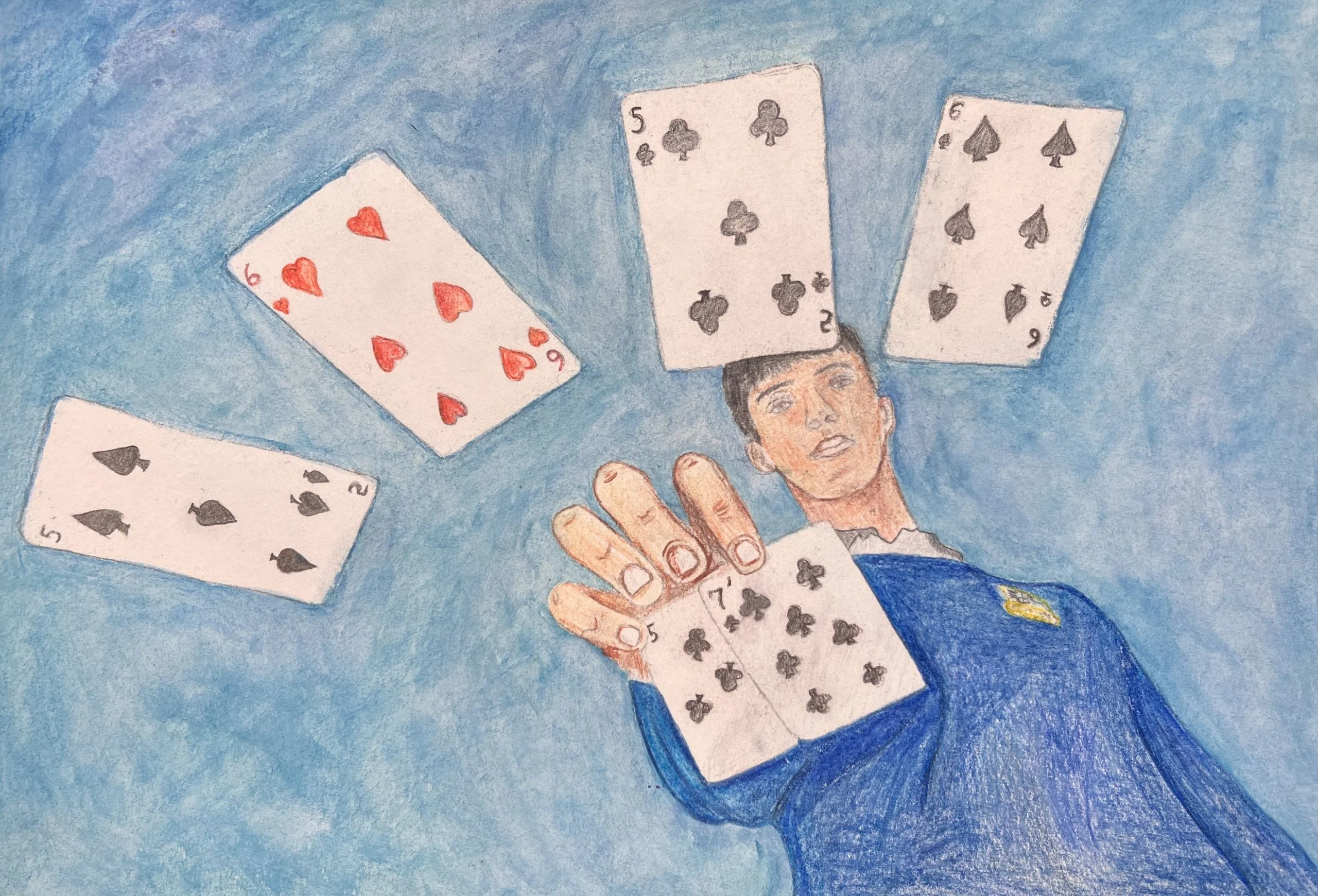
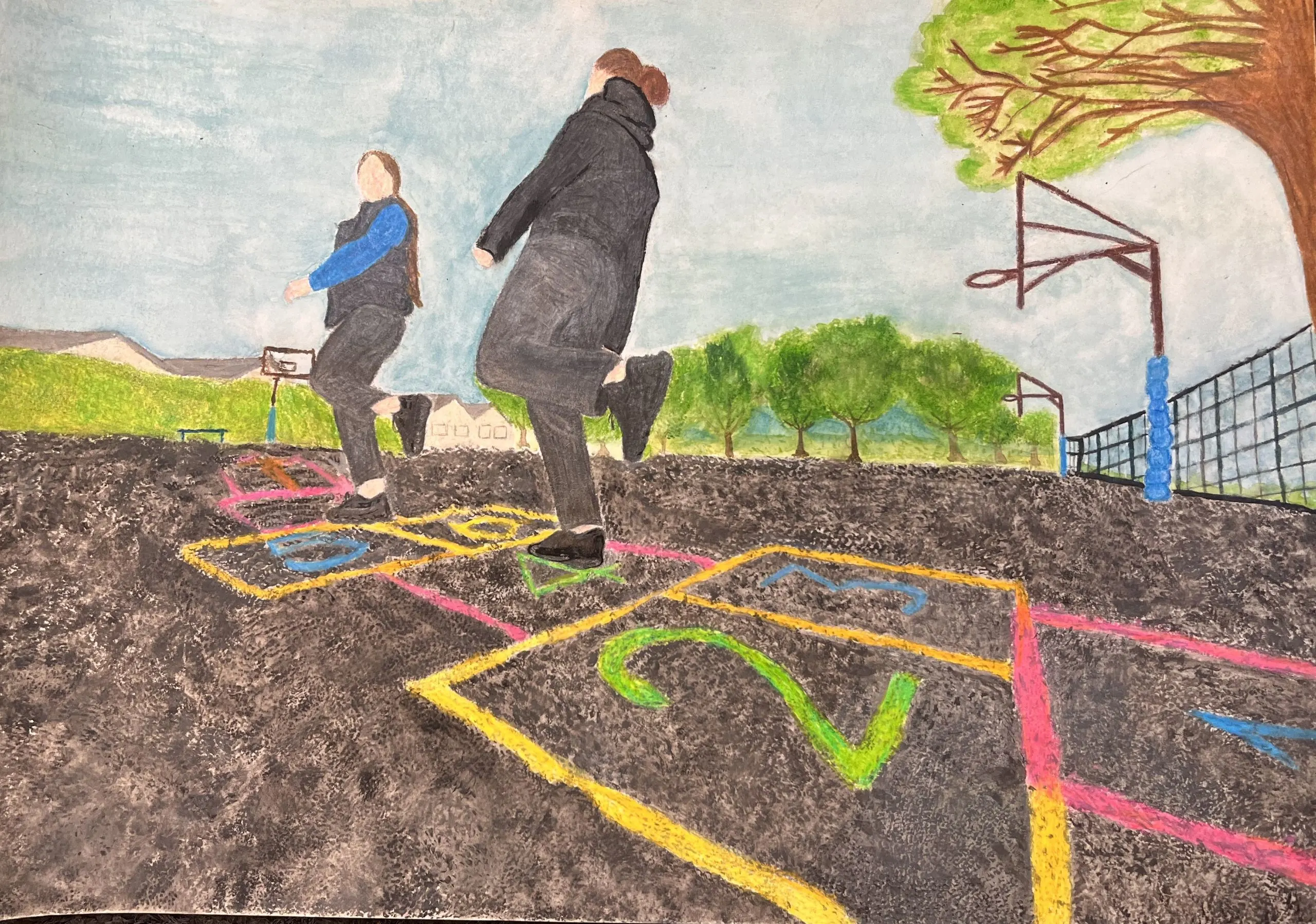
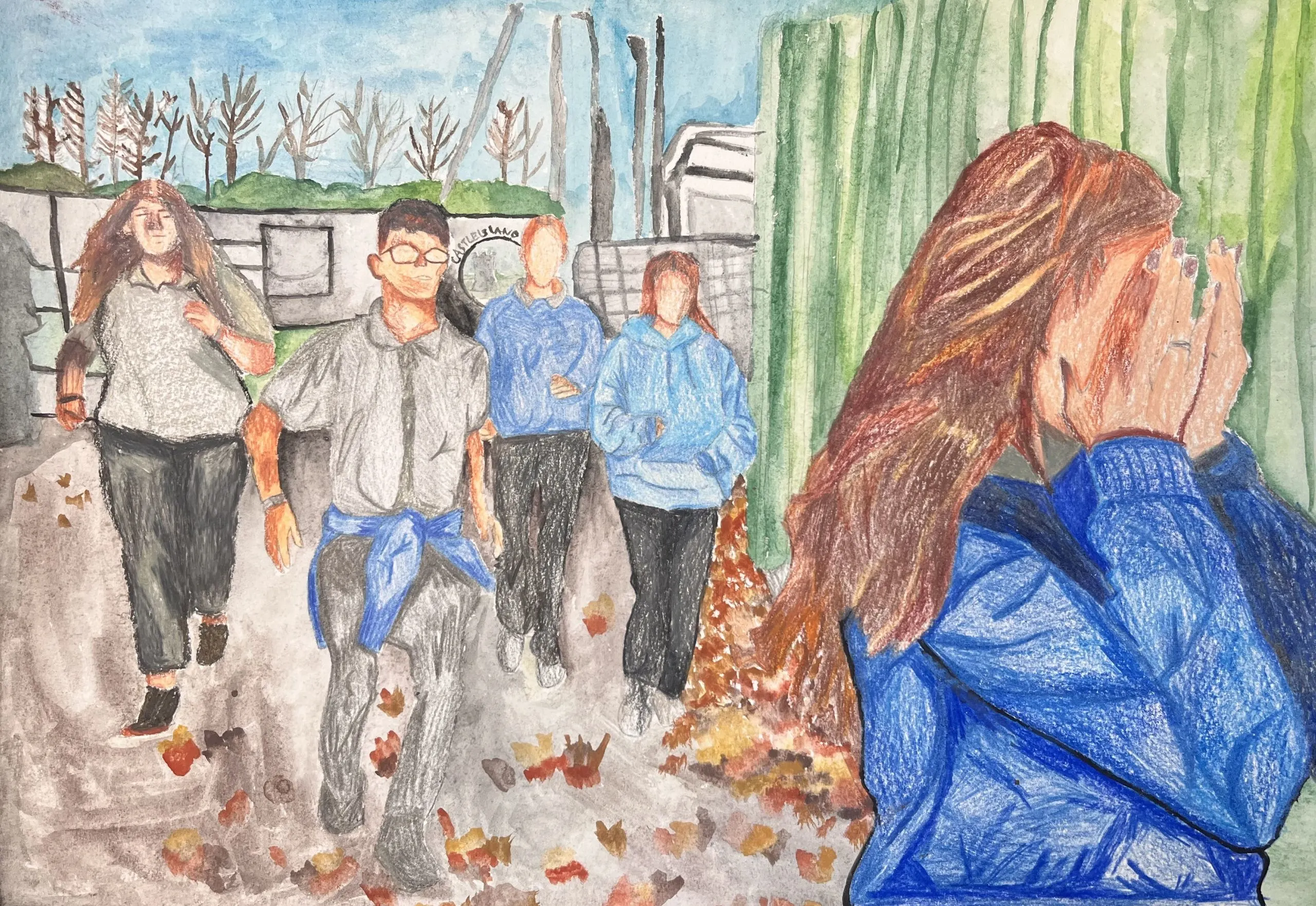
'Lets Play Again'
This project, created by 5th-year Art students, explores the growing loss of outdoor play in today’s screen-focused world. Through imaginative artworks and visual storytelling, the students reflect on the joy, freedom, and connection that come from playing outside, while encouraging viewers to reconsider the importance of these experiences in childhood. Alongside this, the project takes the form of an instructional book designed for younger generations. It brings traditional playground games to life through clear, step-by-step guides and engaging illustrations, making it easy for children to learn, play, and keep the games alive.
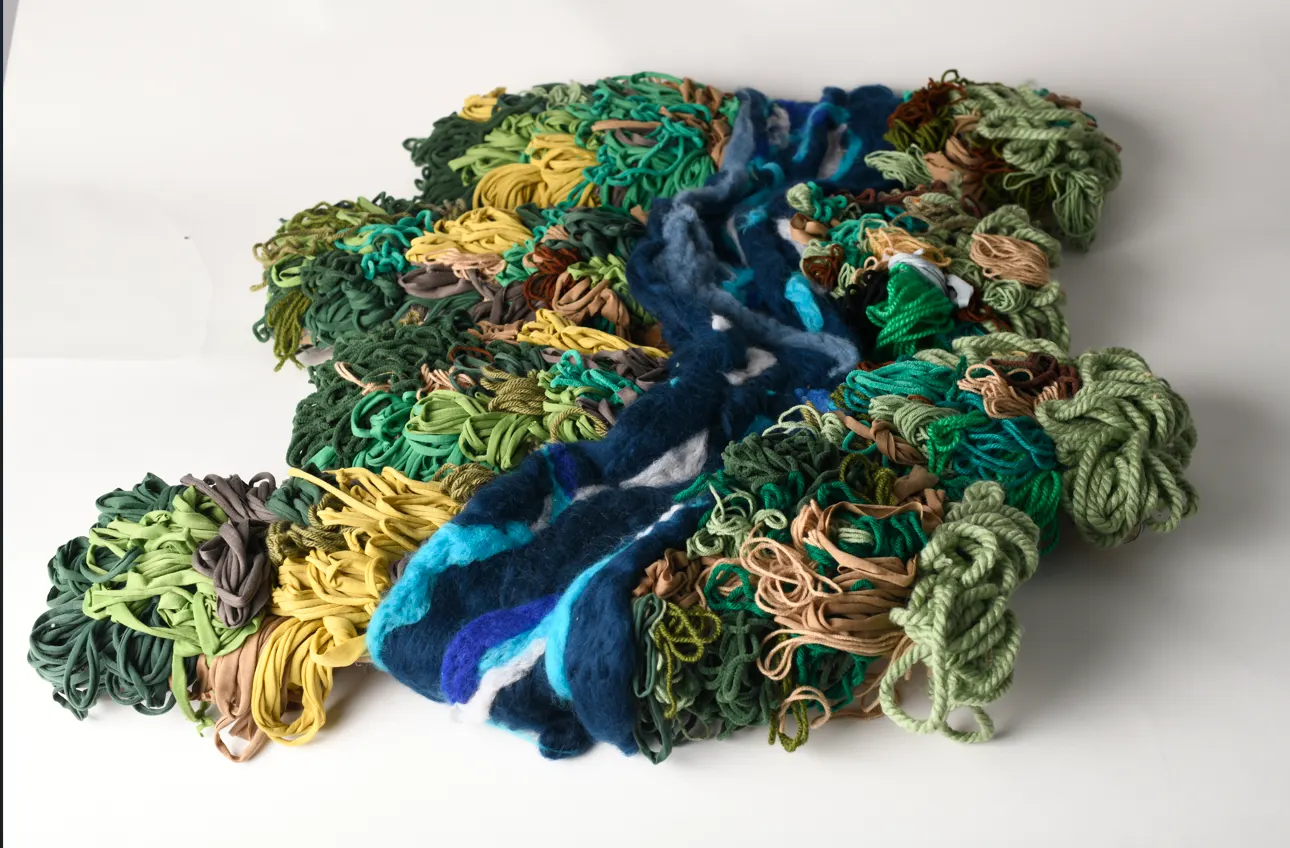
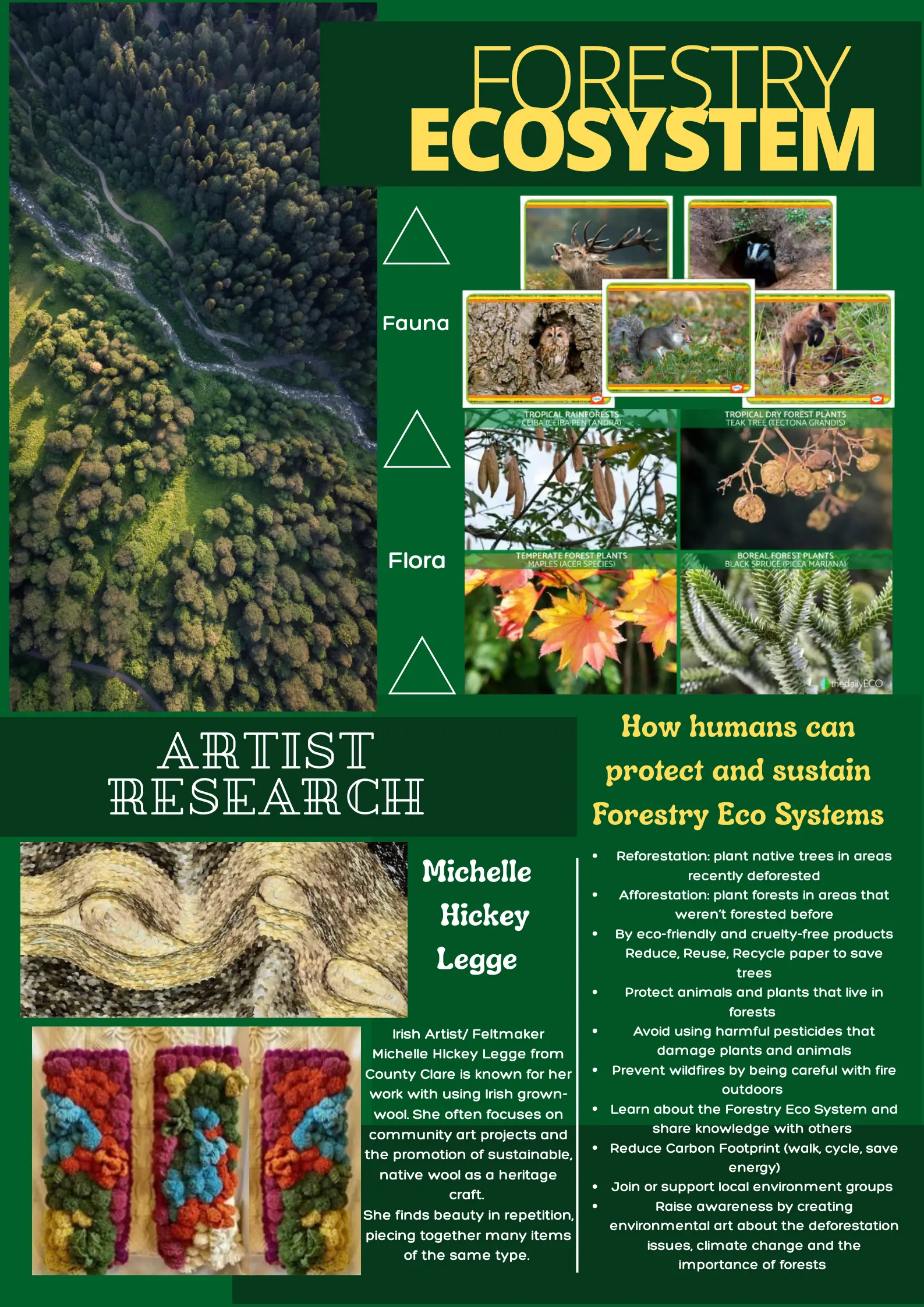
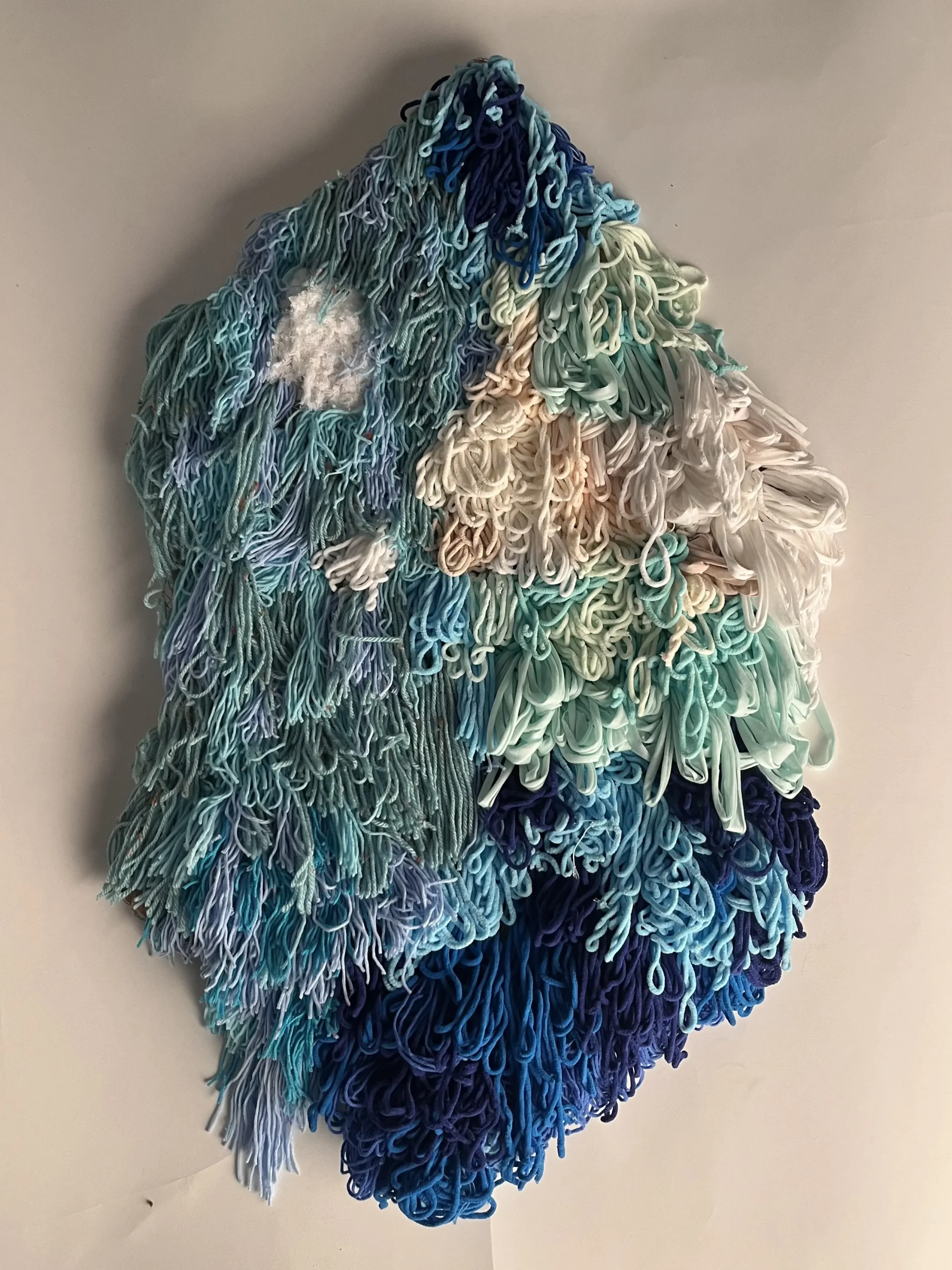
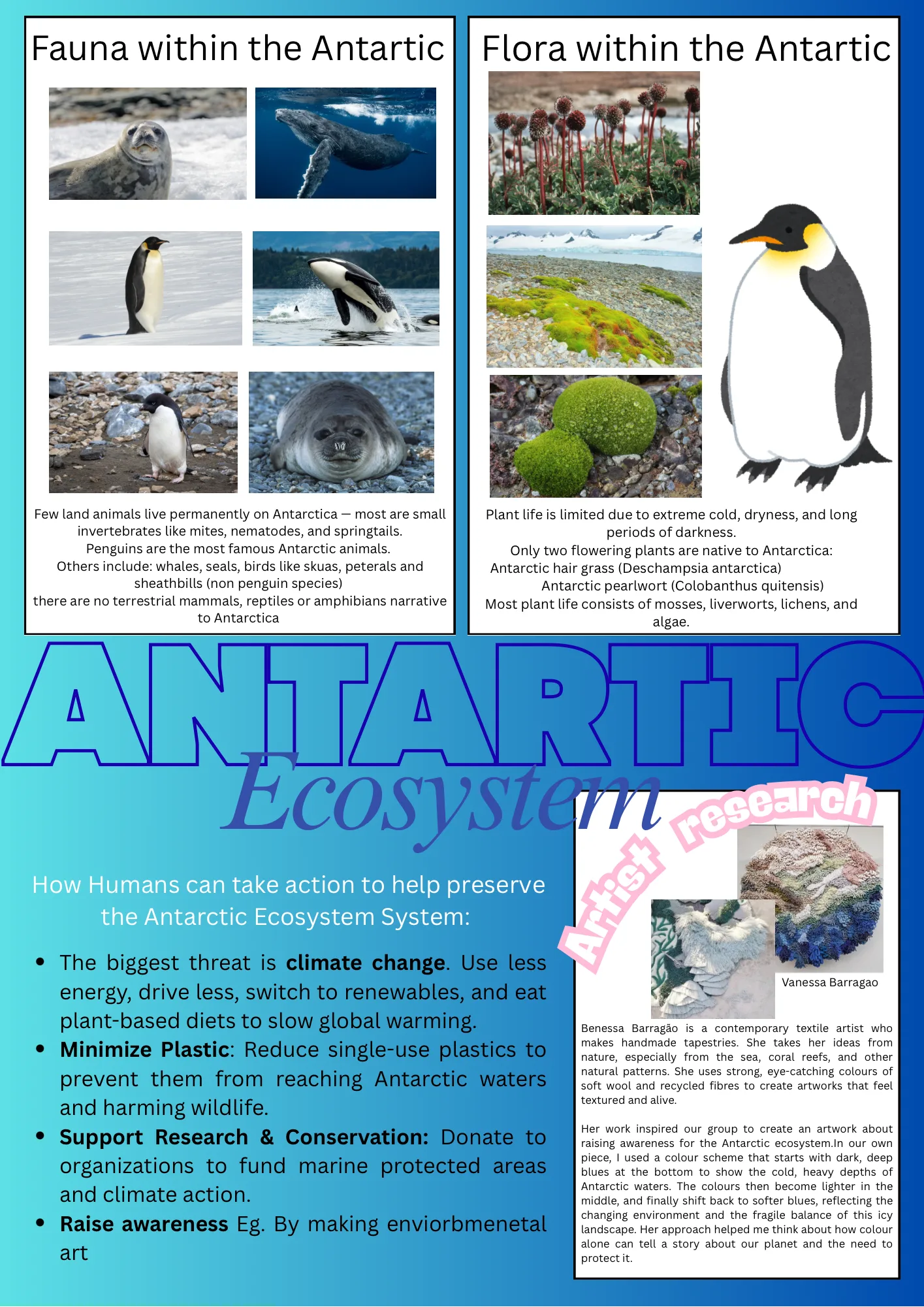
'Threading The Wild'
This project, created by transition year students, explored the beauty and fragility of global ecosystems through textile art. Drawing directly from my own practice as an artist, students researched global ecosystems and developed their understanding of biodiversity and the impact of global warming. Students translated their research into textile pieces, experimenting with colour, texture, and pattern to visually and physically represent these habitats. The project fostered an appreciation for both the richness of natural ecosystems and the urgent need to protect them, using art as a means of communication and advocacy.
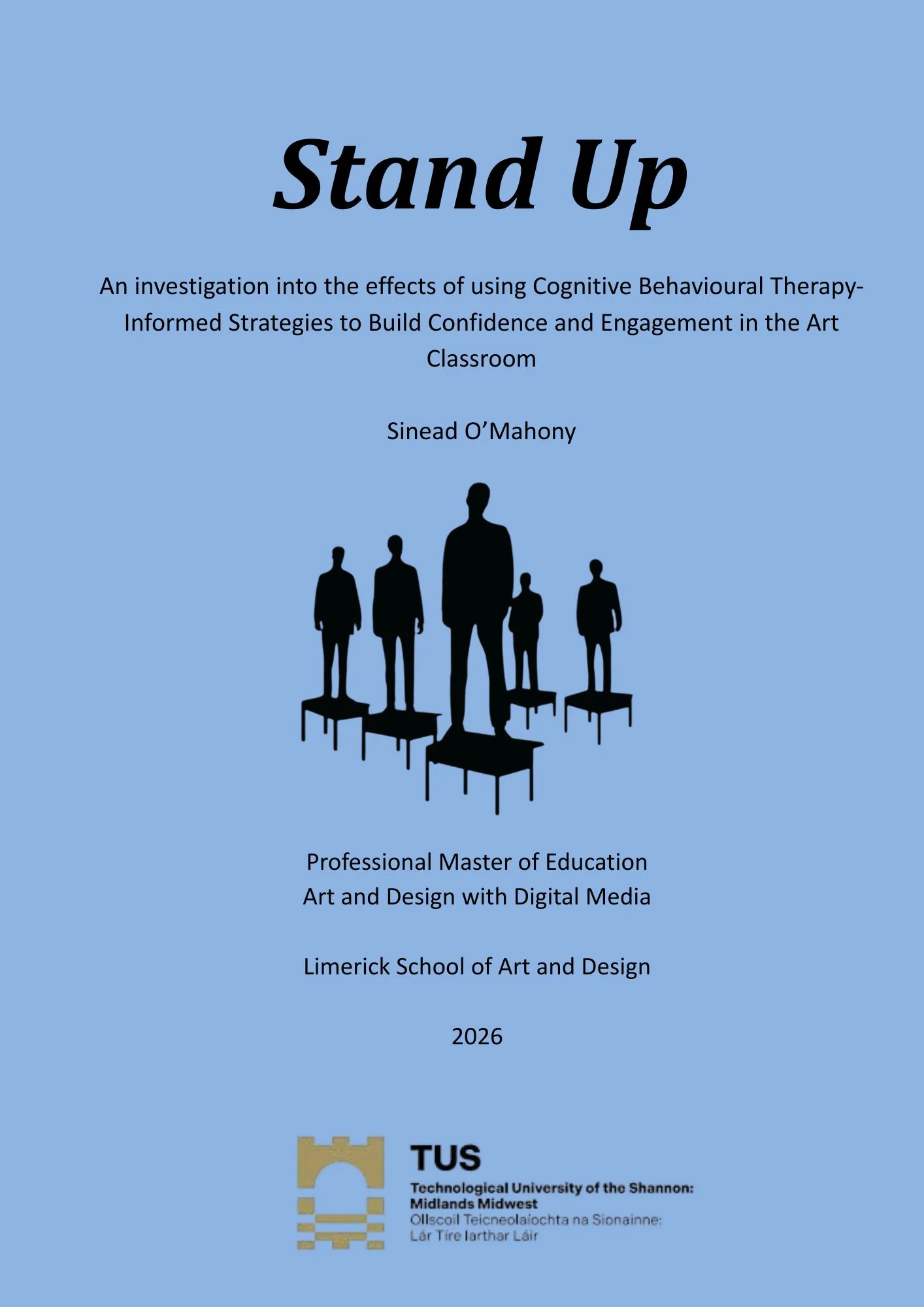
'Stand up: An investigation into the effects of using Cognitive Behavioural Therapy-Informed Strategies to Build Confidence and Engagement in the Art Classroom
This research investigates the extent to which principles of Cognitive Behavioural Therapy (CBT) and positive mental attitude strategies can be integrated into the secondary school art classroom to enhance student confidence, address imposter syndrome, and improve engagement in artistic practice. The research was conducted through a qualitative action research framework during a ten-week cycle in a post-primary visual art classroom. Data were collected using questionnaires, classroom interventions, a signal-contingent reflective diary, and interviews with an external classroom observer. Initial findings indicated that many students experienced low self-confidence, fear of peer judgement, and tendencies toward imposter-like thinking when presenting or discussing their artwork. These challenges were particularly evident during critique sessions, where students felt their work was being compared and evaluated. In response, a series of CBT-informed strategies was implemented, including grounding exercises, guided breathing, repetitive positive affirmations, and embodied learning activities, such as physical repositioning in the classroom. The findings suggest that these interventions contributed to improvements in student emotional regulation, classroom participation, and willingness to share and discuss artwork. Students demonstrated greater openness to critique, increased verbal engagement, and reduced reliance on external validation. The results also indicate that classroom environment, teacher modelling, and embodied practices played a significant role in supporting psychological safety and confidence. Overall, the study suggests that integrating CBT-informed approaches within art education can foster a more inclusive and supportive
learning environment, encouraging students to take creative risks and engage more fully in the artistic process.