
-
- Samantha Morris
Unit of Learning: The place where I stand.
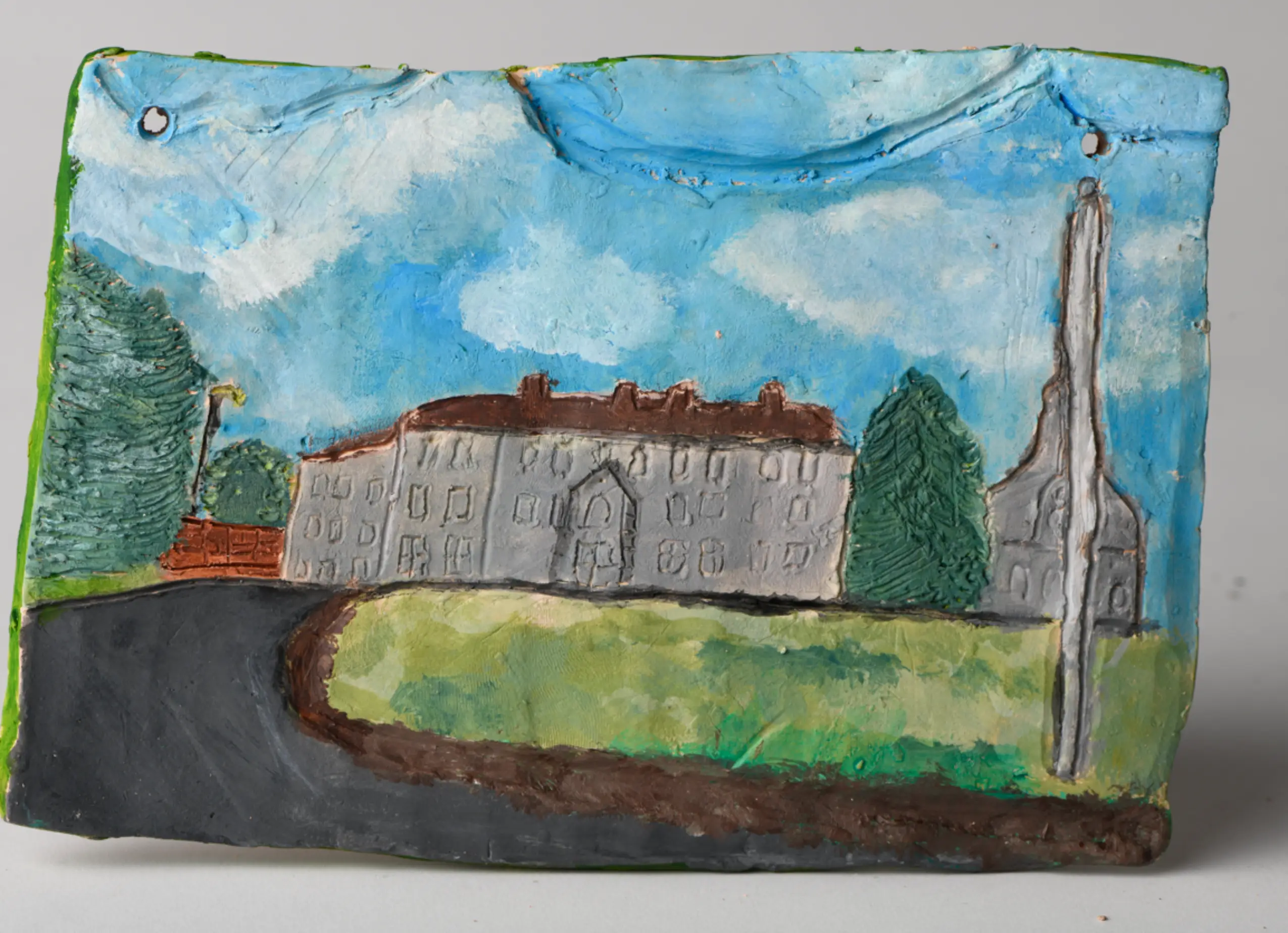
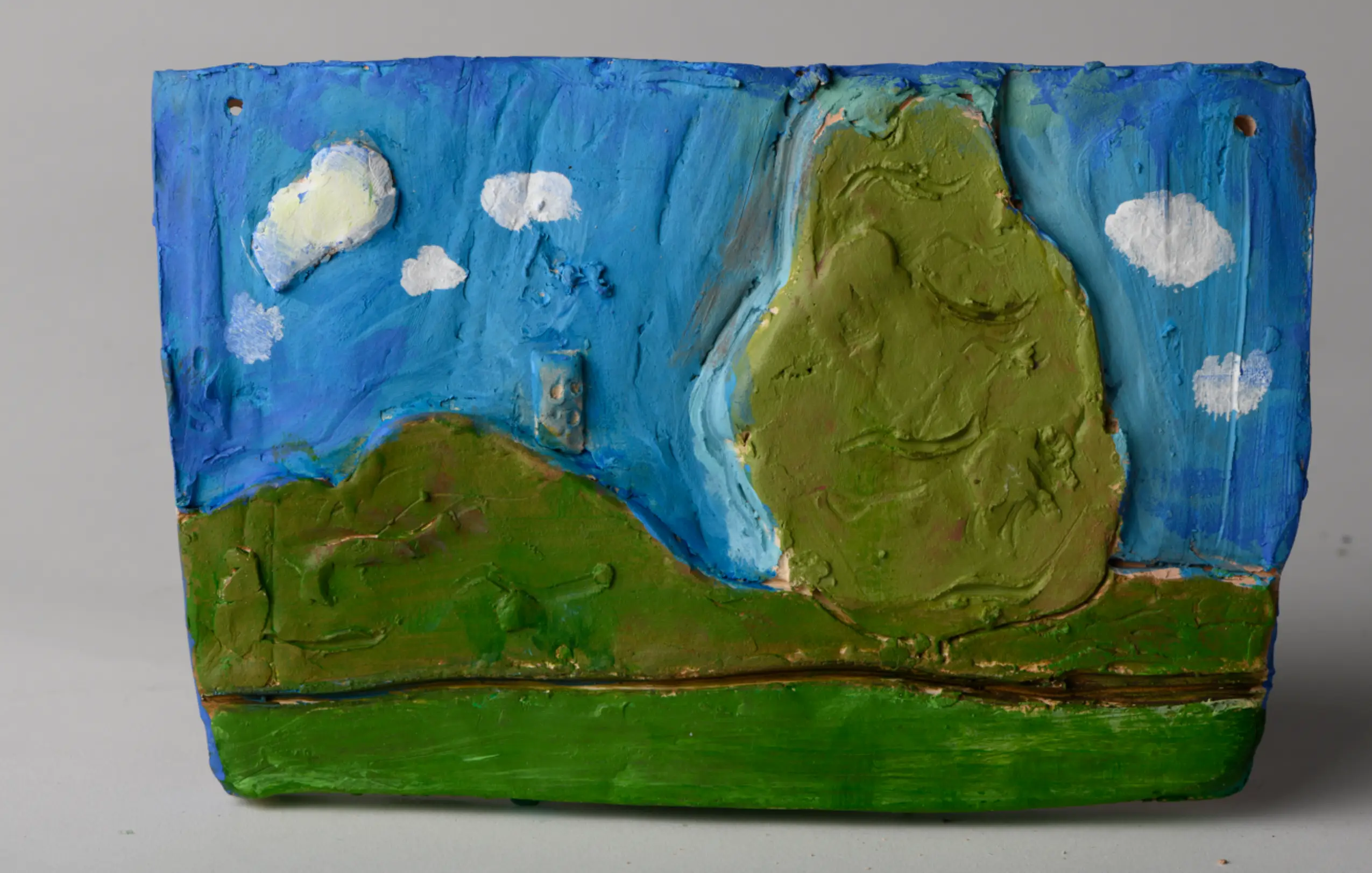
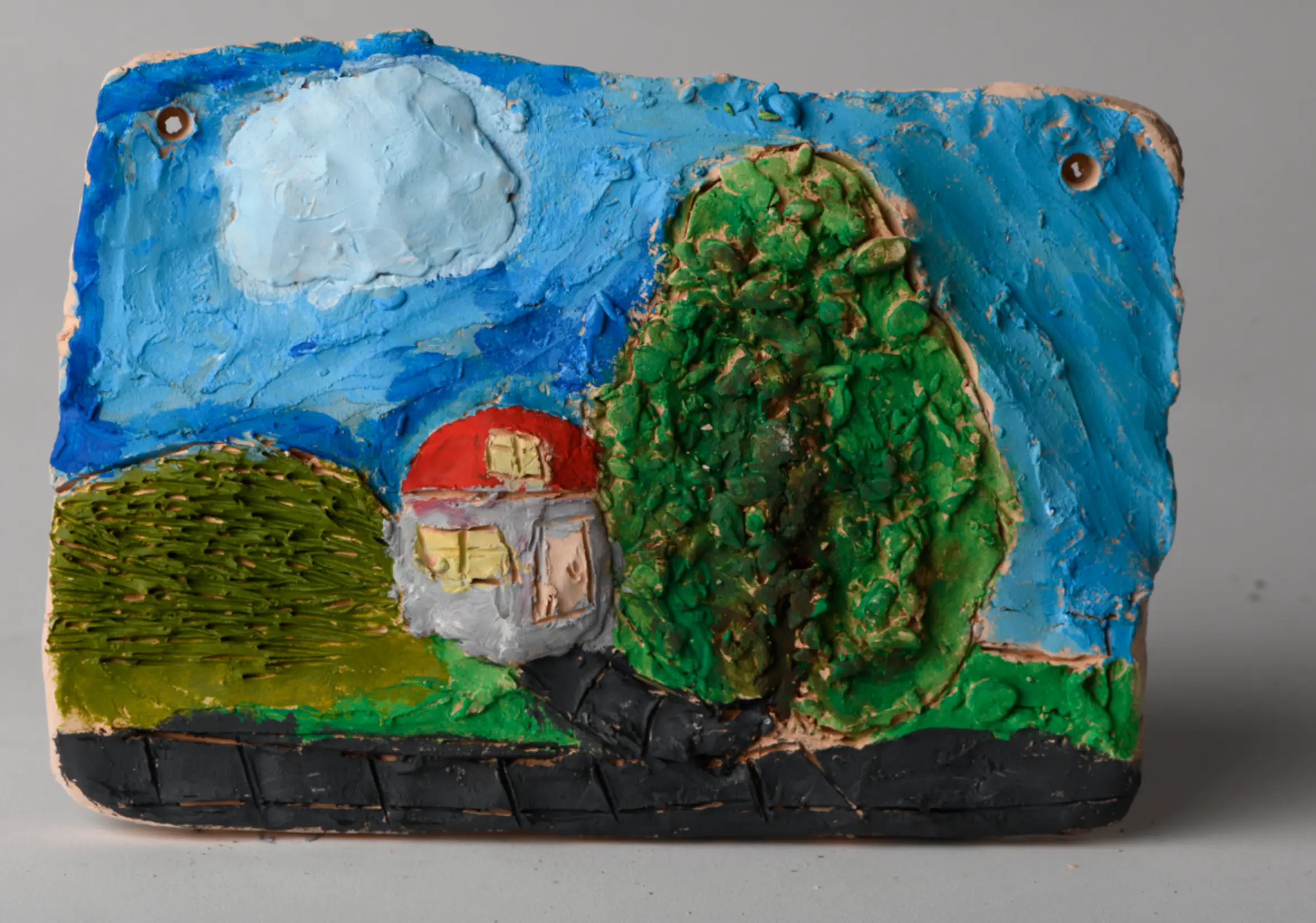
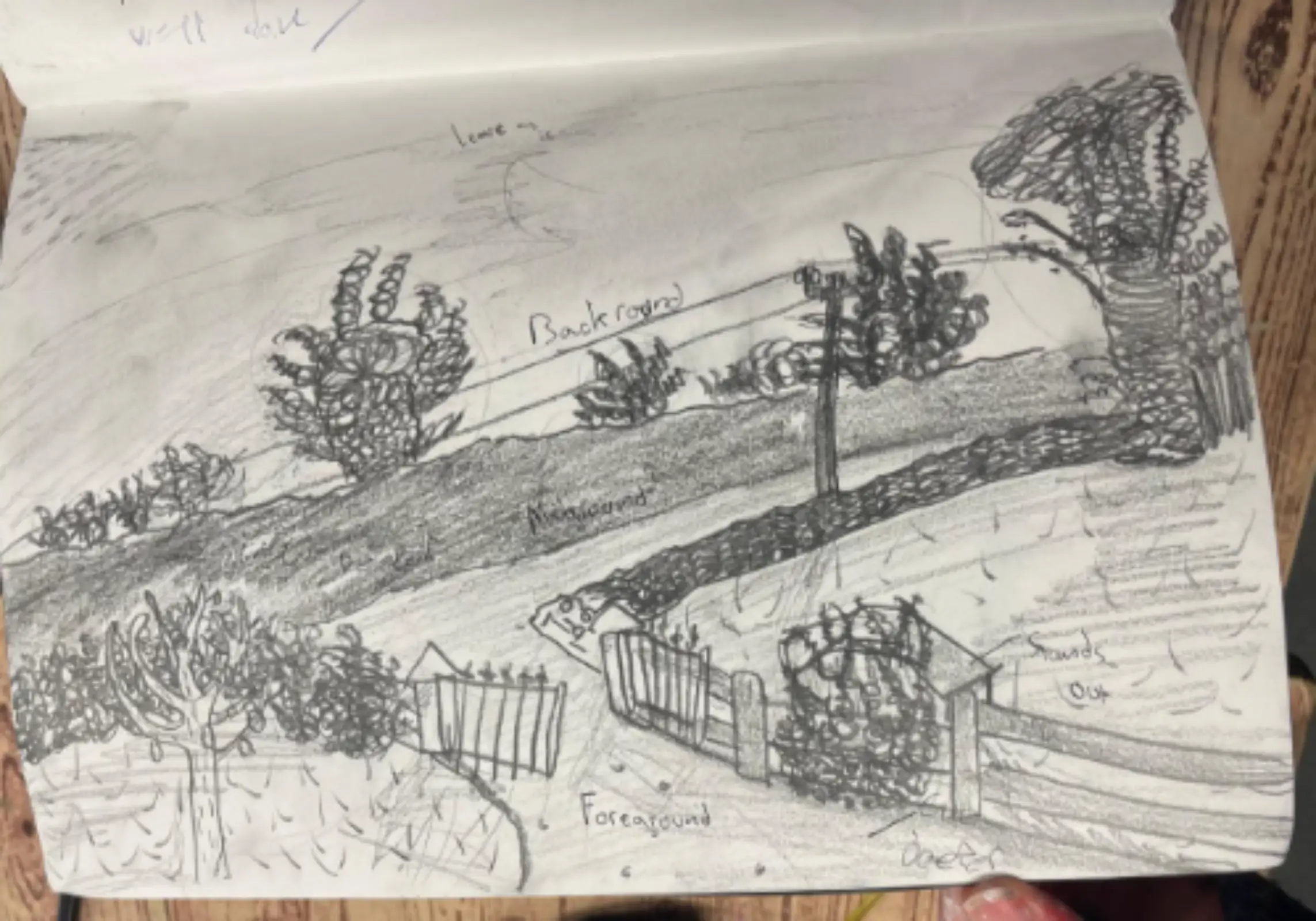
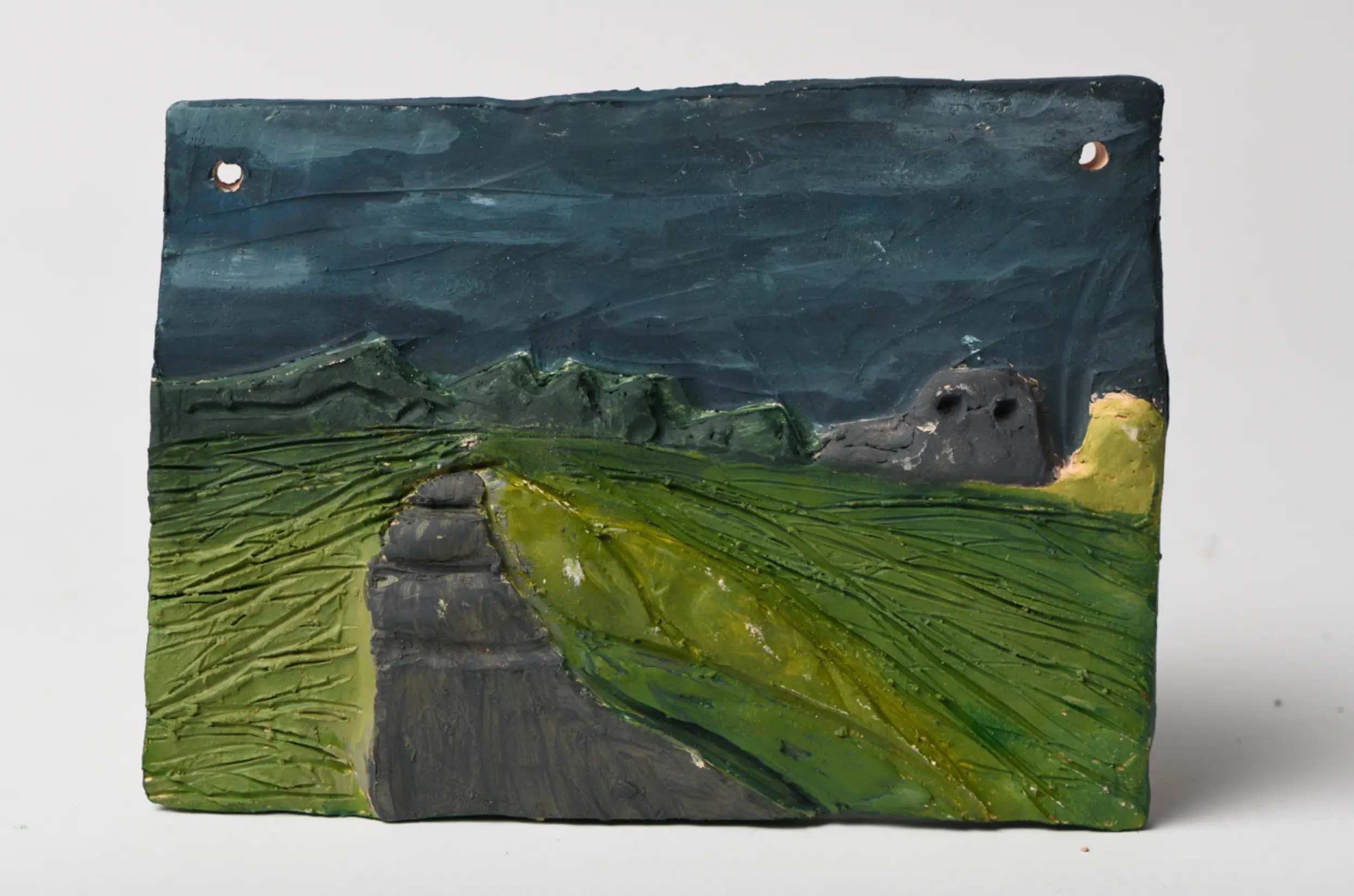
Students created a three dimensional relief landscape tile informed by observation of their local environment. As part of their visual research, they produced a series of drawings and photographs that examined the lines, shapes and textures present within the landscape. As part of this research, students also examined how perspective works in a landscape, identifying foreground, midground and background elements and considering how these layers could be carved to create a sense of depth. Using a reduction technique, students carved into the clay to establish depth, structure, and surface variation, developing an understanding of how subtractive processes can be used to construct a composition and examining perspective. Following the initial firing, students applied colour using a primary colour palette, mixing and layering to accurately reflect the tonal qualities.
Unit of Learning: Facing our footprints
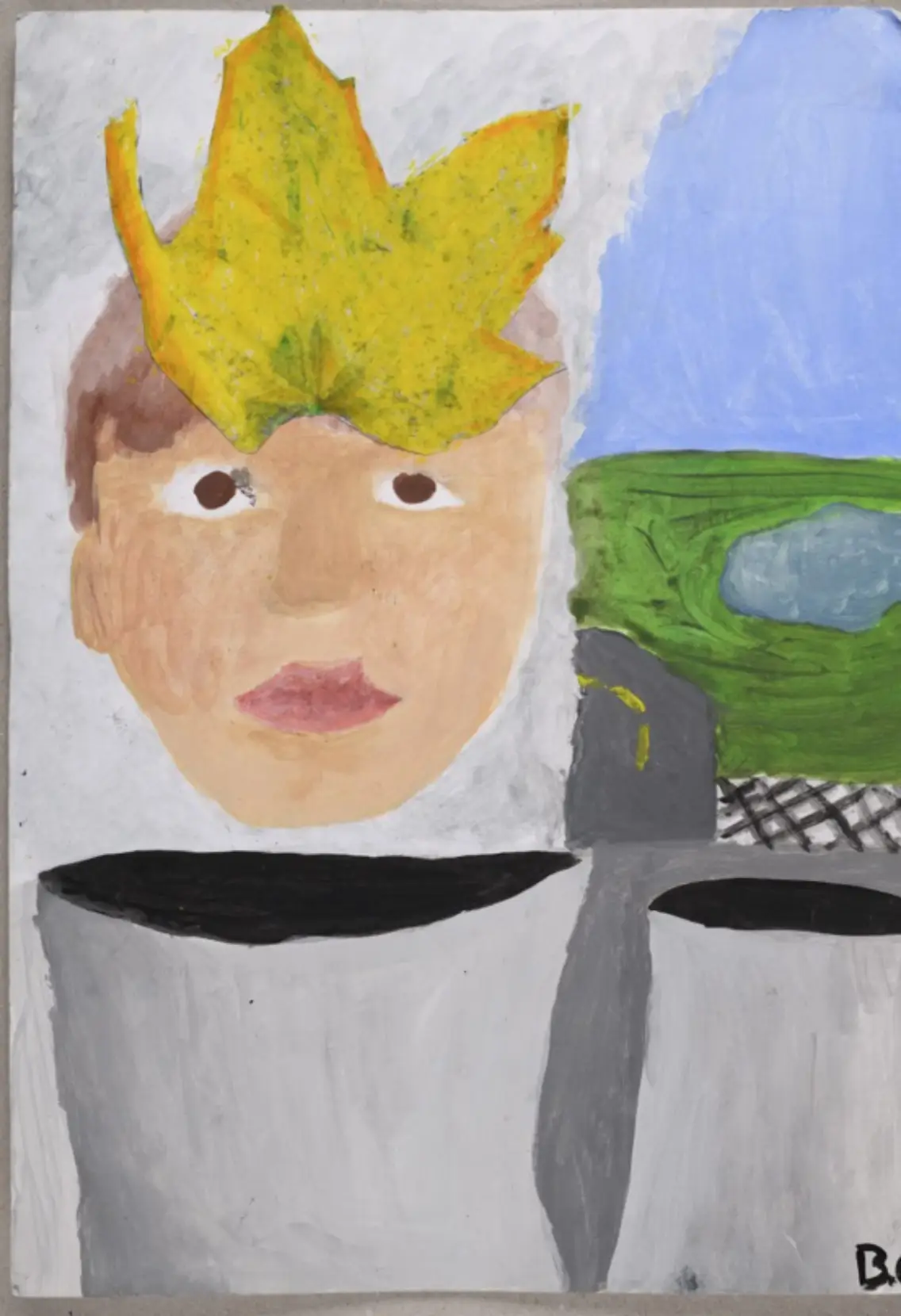
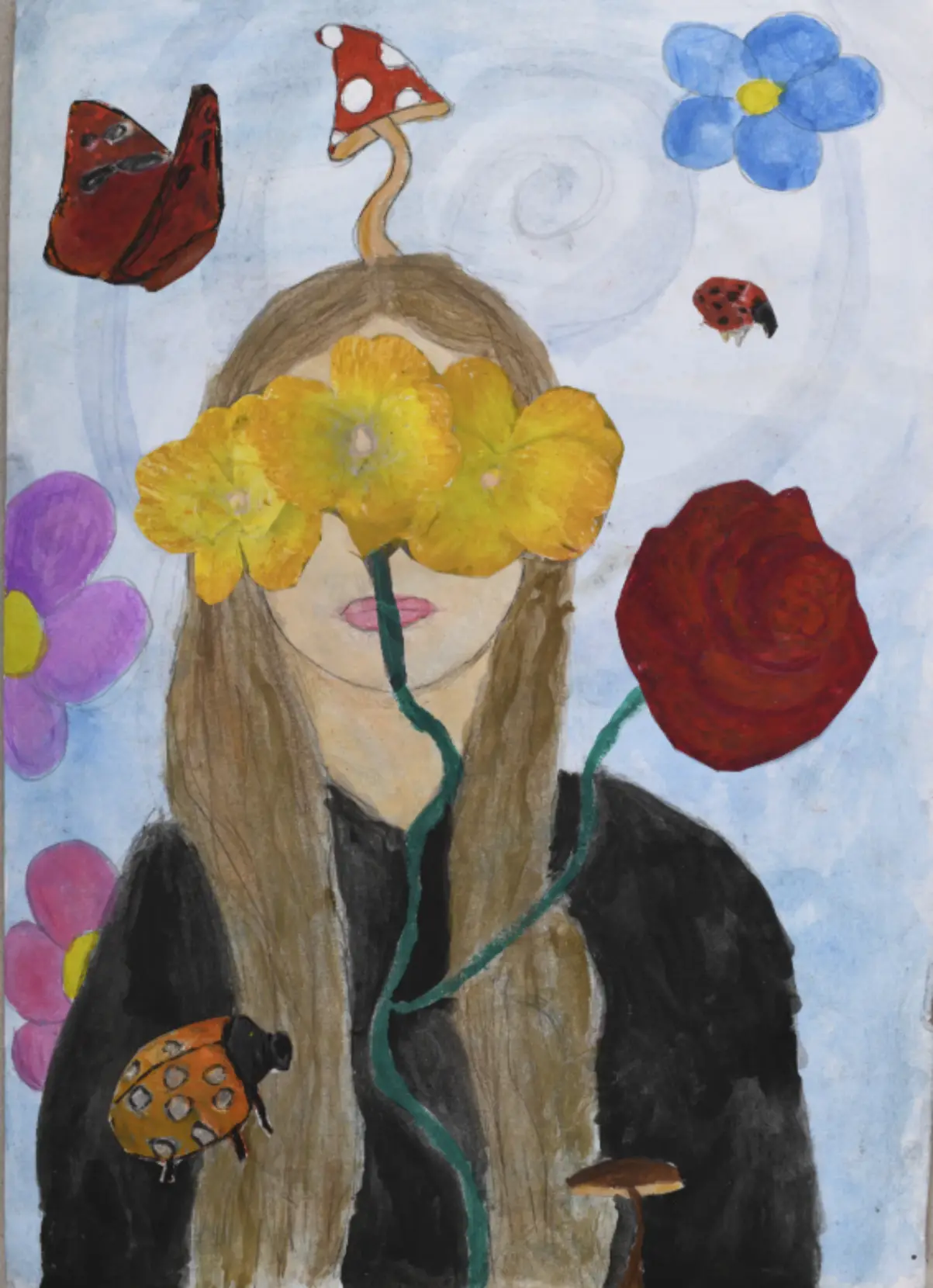
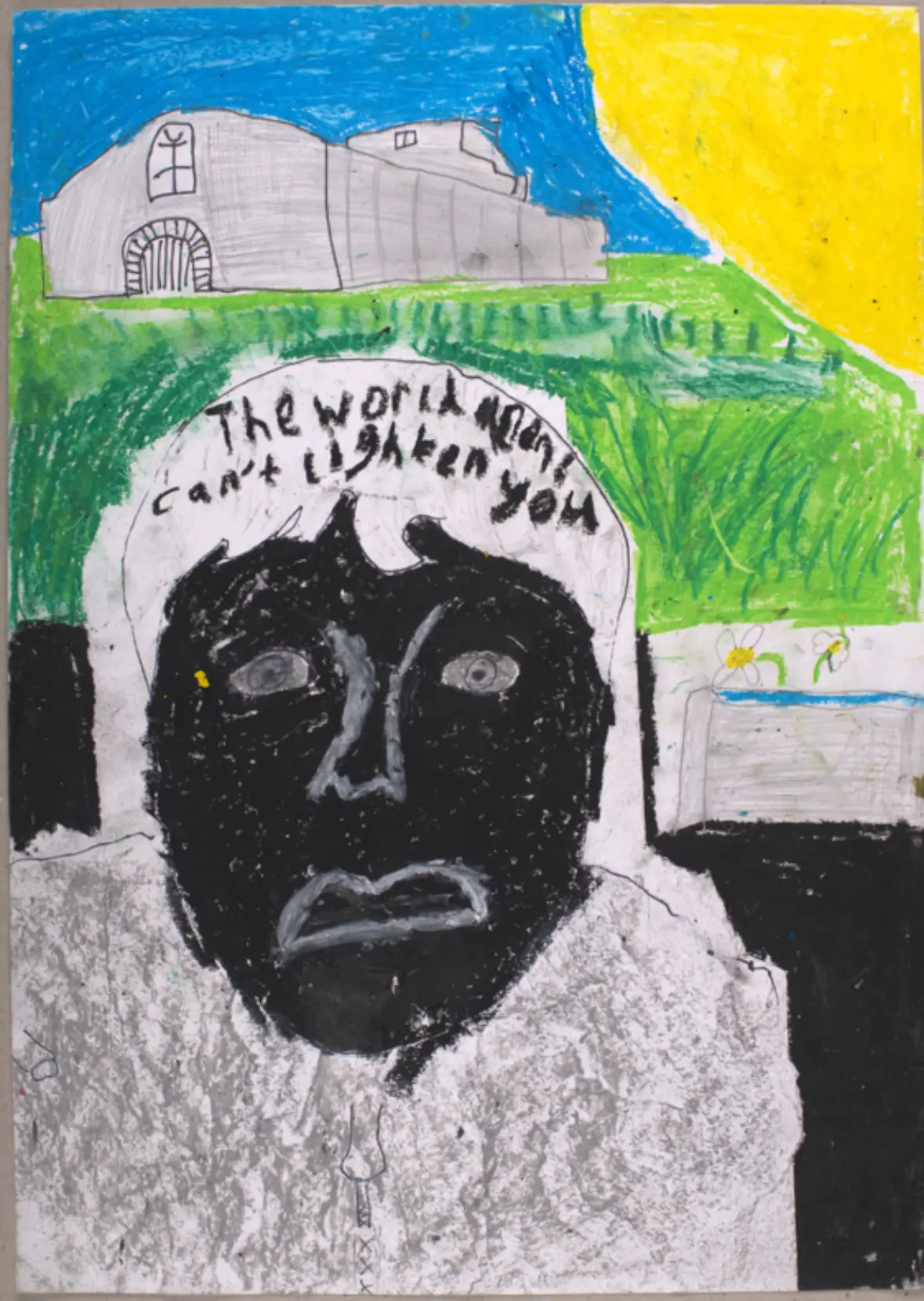
Students created a mixed media portrait inspired by Surrealism, drawing on themes of identity and our impact on the environment. They began by producing a series of sketches and collage studies, which served as their primary visual research for the final artwork. As part of this process, students learned the key measurements and proportions of the face, developing their drawing and painting skills.
Using their collage studies as a starting point, students explored how surrealist artists combine unexpected objects, symbols and imagery to create dream like compositions. They then applied this thinking to their own portraits, blending realistic facial features with imaginative elements.
For the final piece, students worked in mixed media, combining acrylic paint, watercolour, pastels and collage materials to create a large scale portrait.
Unit of Learning: Filtered Self
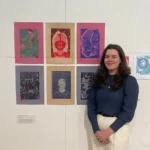
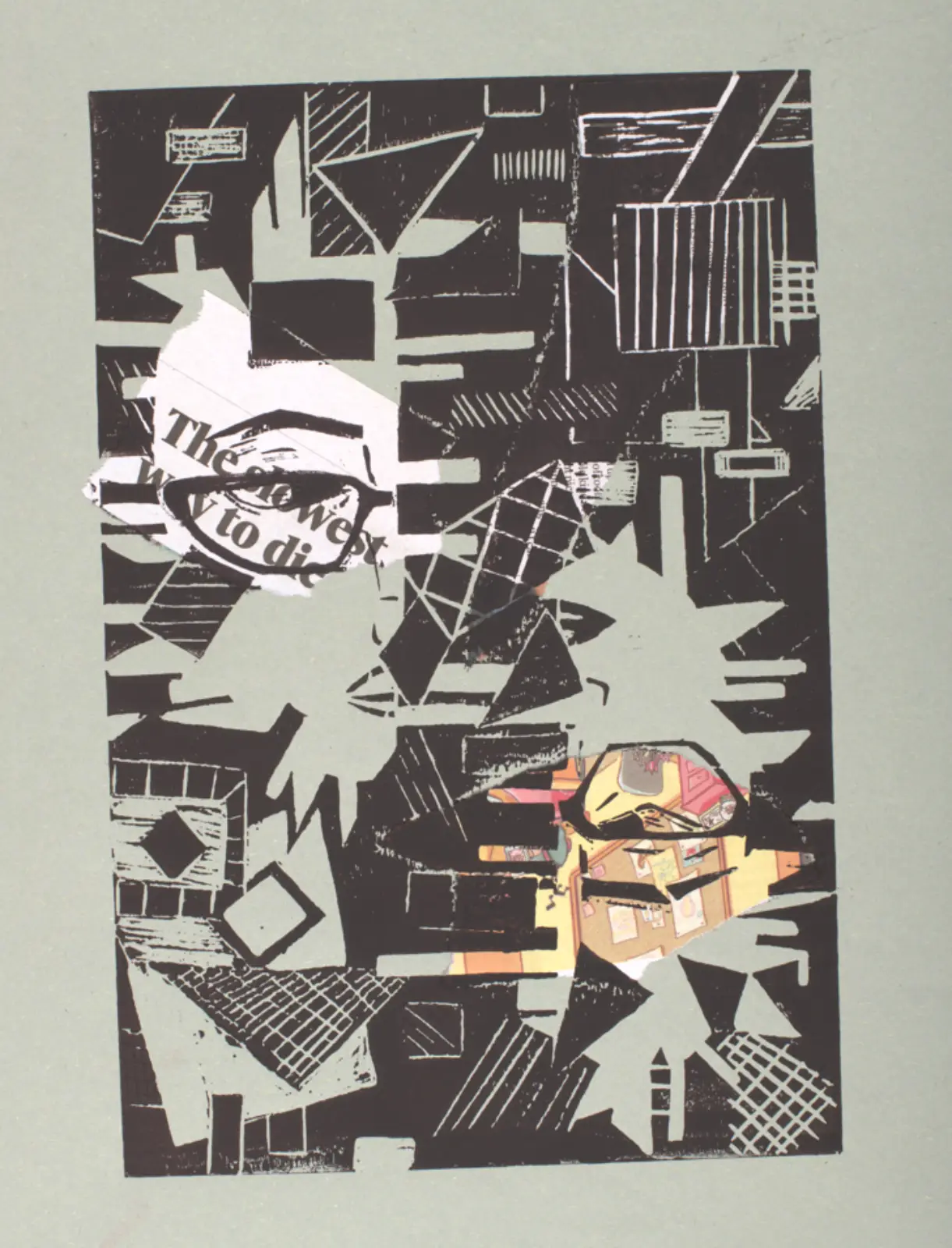
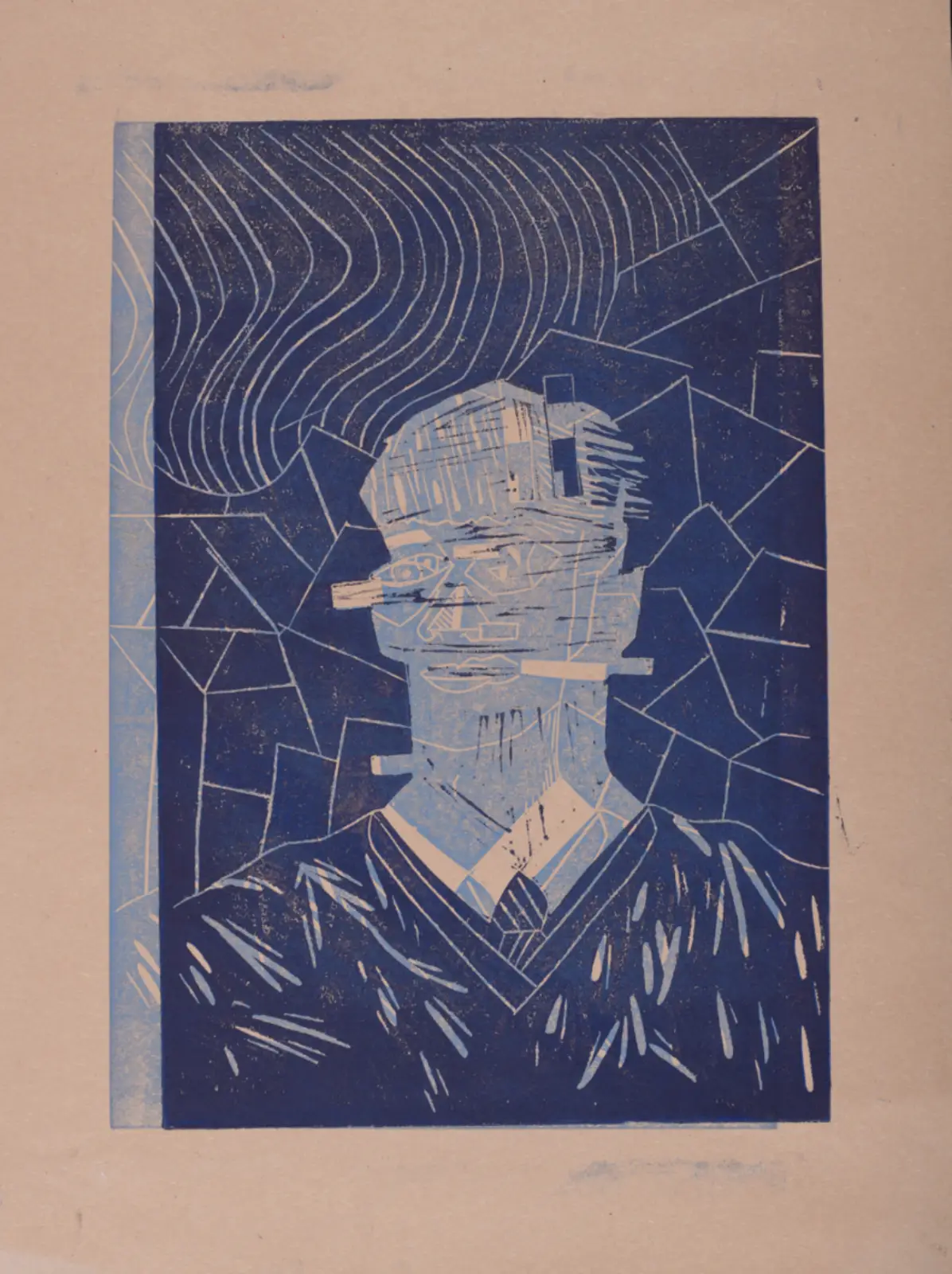
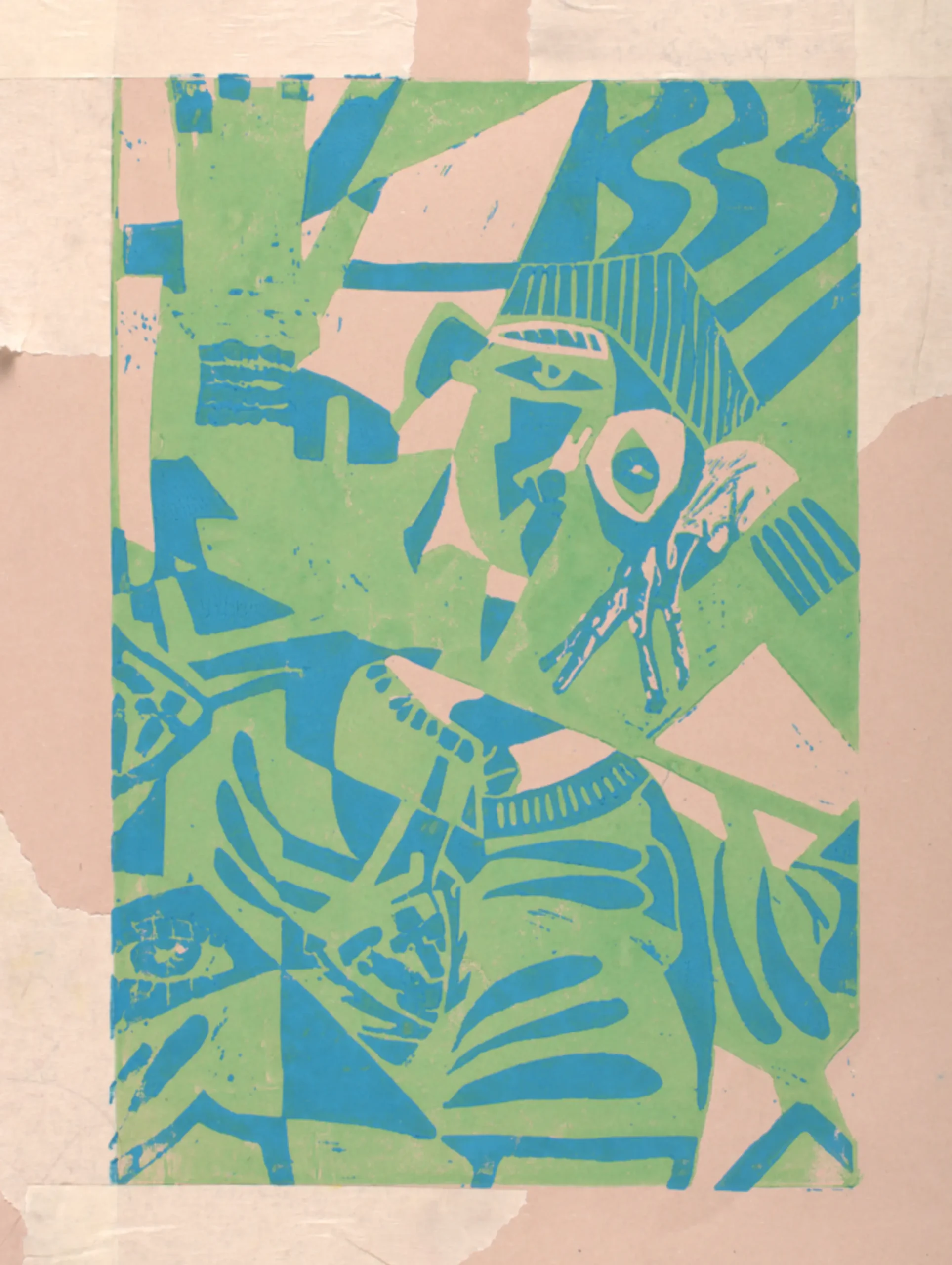
Students investigated how social media shapes personal identity, focusing on the ways online platforms allow us to filter, alter and fragment our appearance. Drawing on Cubist principles, they combined realistic portrait elements with distorted, geometric forms to reflect these shifting digital selves. Initial mixed media studies informed the design of their final print, for which students selected colour palettes representing different online identities. Throughout the printmaking process, they developed skills in registration, and thinking creatively about the materials they could incorporate. They also experimented with the Chine-collé technique, adding coloured papers and textures to enhance the layered, filtered quality of their portraits.