
-

- Aaron Mc Sweeney
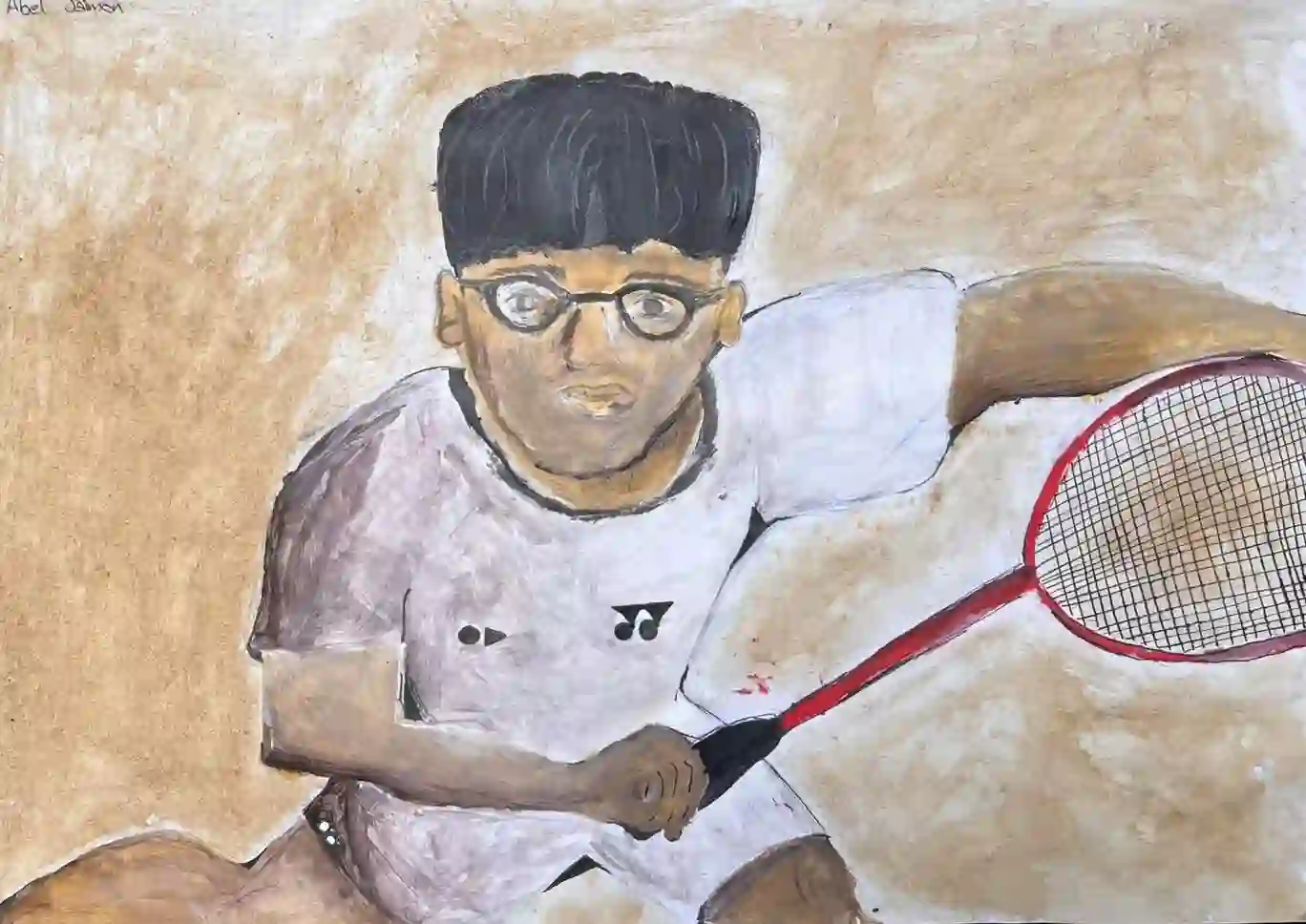
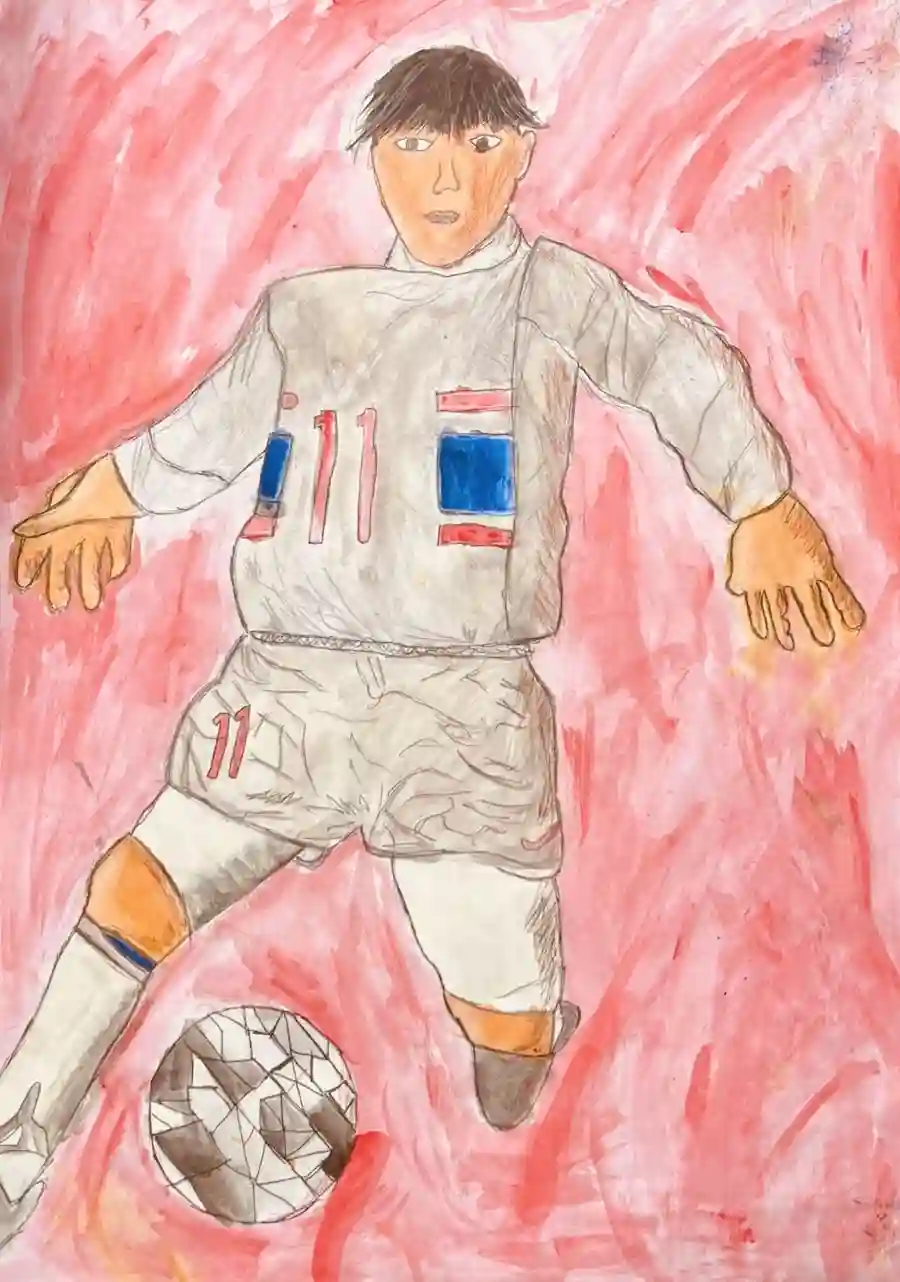
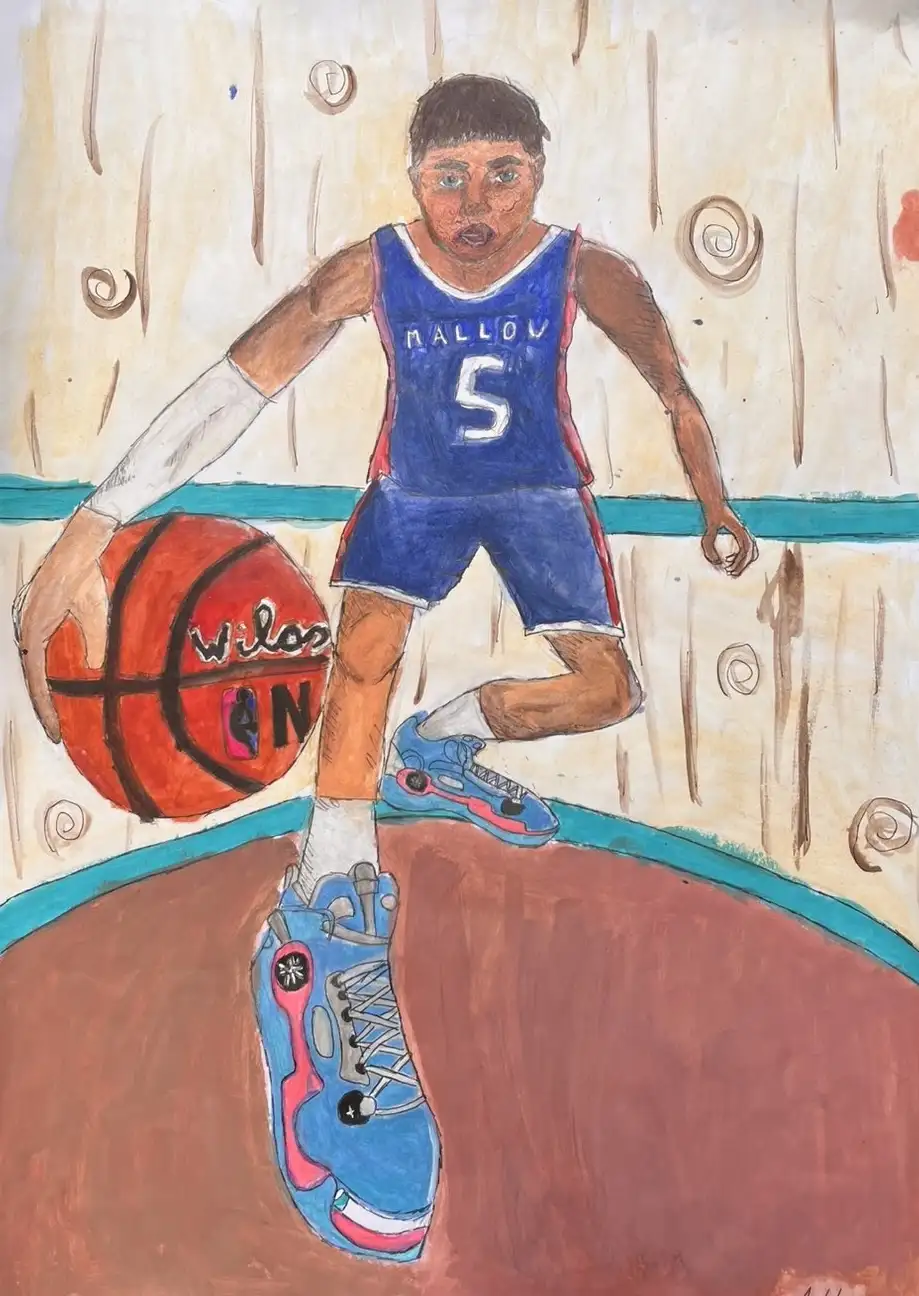
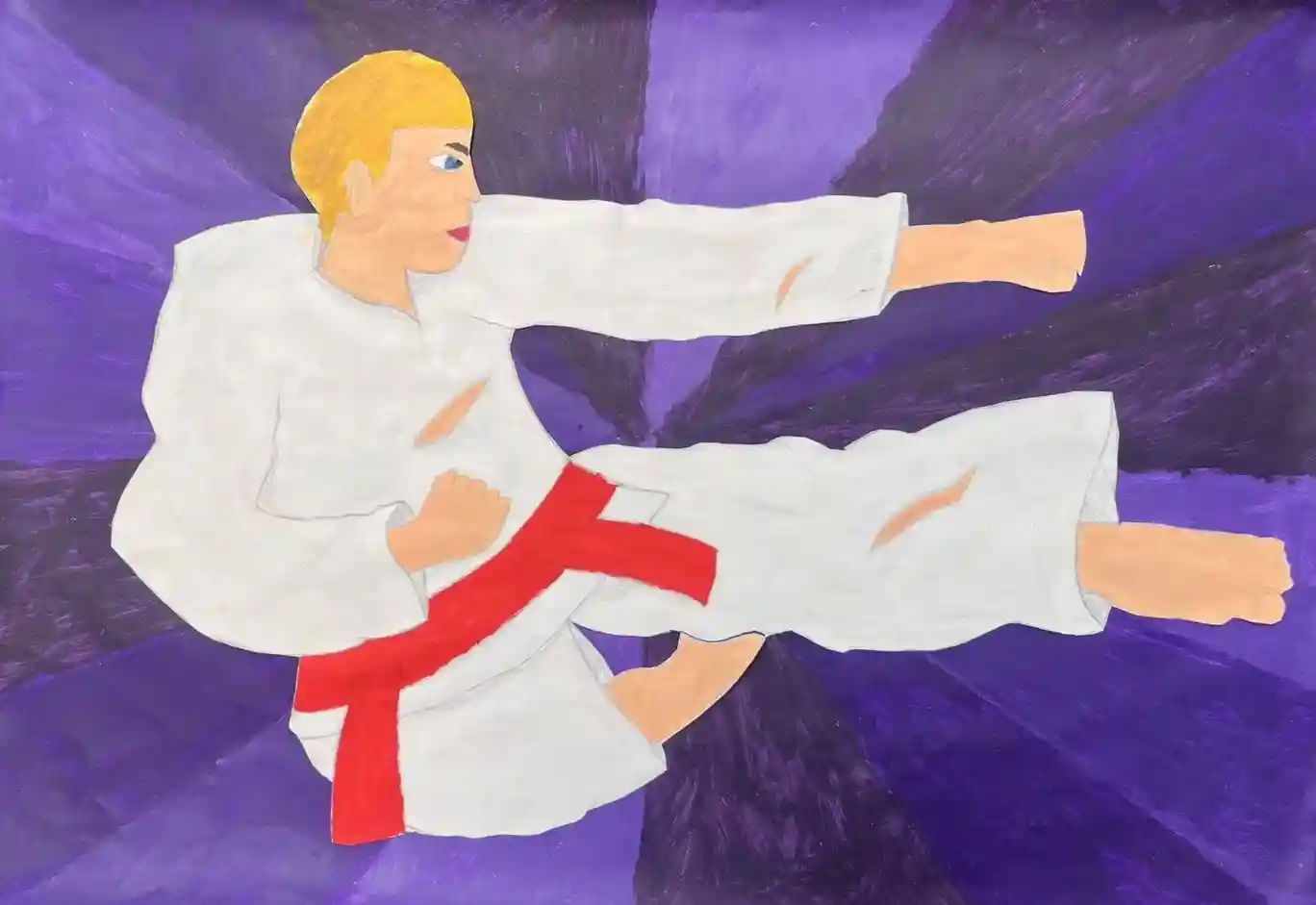
“Bridging the Gap, Integrating technical and conceptual approaches in 2nd level art education.”
My research report aims to investigate the integration of technical skill development and conceptual inquiry in my art classroom, with a specific focus on junior cycle but also looking at senior cycle contexts. Considering the ongoing National Council for Curriculum and Assessment reforms to the Leaving Certificate in the Irish education system, this project is both timely and relevant. As assessment structures are changing to now emphasise process, research and critical thinking, secondary school art teachers must reconsider how technical ability and conceptual depth can coexist in their classrooms for the betterment of their classes.
Through my research I aimed to cultivate confident, resilient, and independent learners while ensuring strong results in their projects and exams. I examined whether purposely integrating technical and conceptual approaches enhanced student engagement, creative risk-taking, and improved results in my art classroom.
The study used a qualitative, practitioner research framework. Data was gathered through interviews with a focus group of students, fellow secondary school art educators including well experienced, NQT’s, and current members of my PME class, classroom observations using my research journal, post-class reflective journaling and analysis of student sketchbooks and finished pieces. The research is underpinned by literature I read and explored over the past few years, looking at topics like differentiation, critique, and adolescent development.
Key findings of the research show that students proved to have increased confidence and deeper engagement when technical scaffolding supported conceptual exploration. Behavioural stability and developmental readiness were also key factors having a big effect on my research. The principal conclusion, though, was that technical and conceptual teaching are not opposing paradigms but interdependent processes that constantly must be woven together.
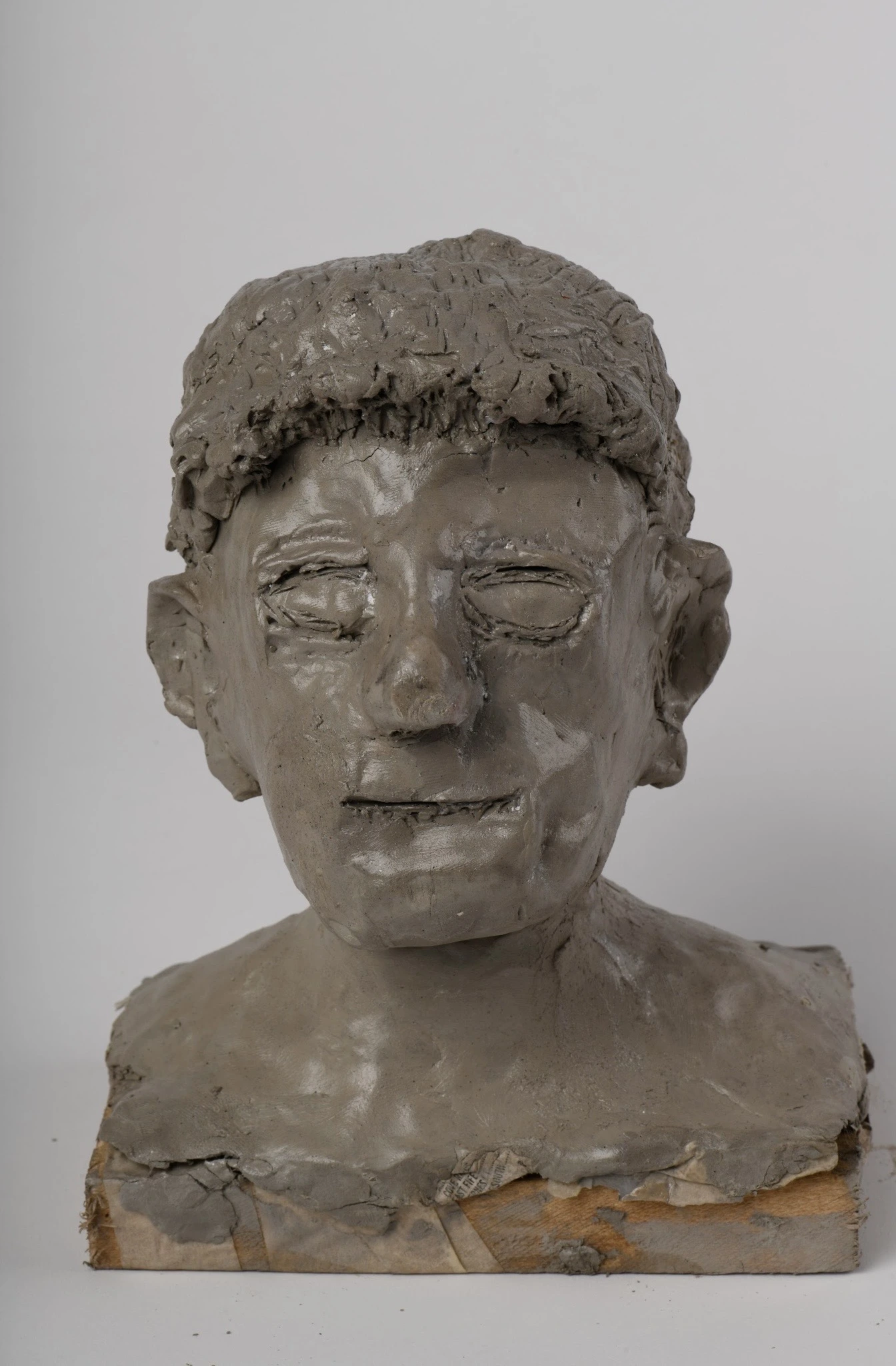
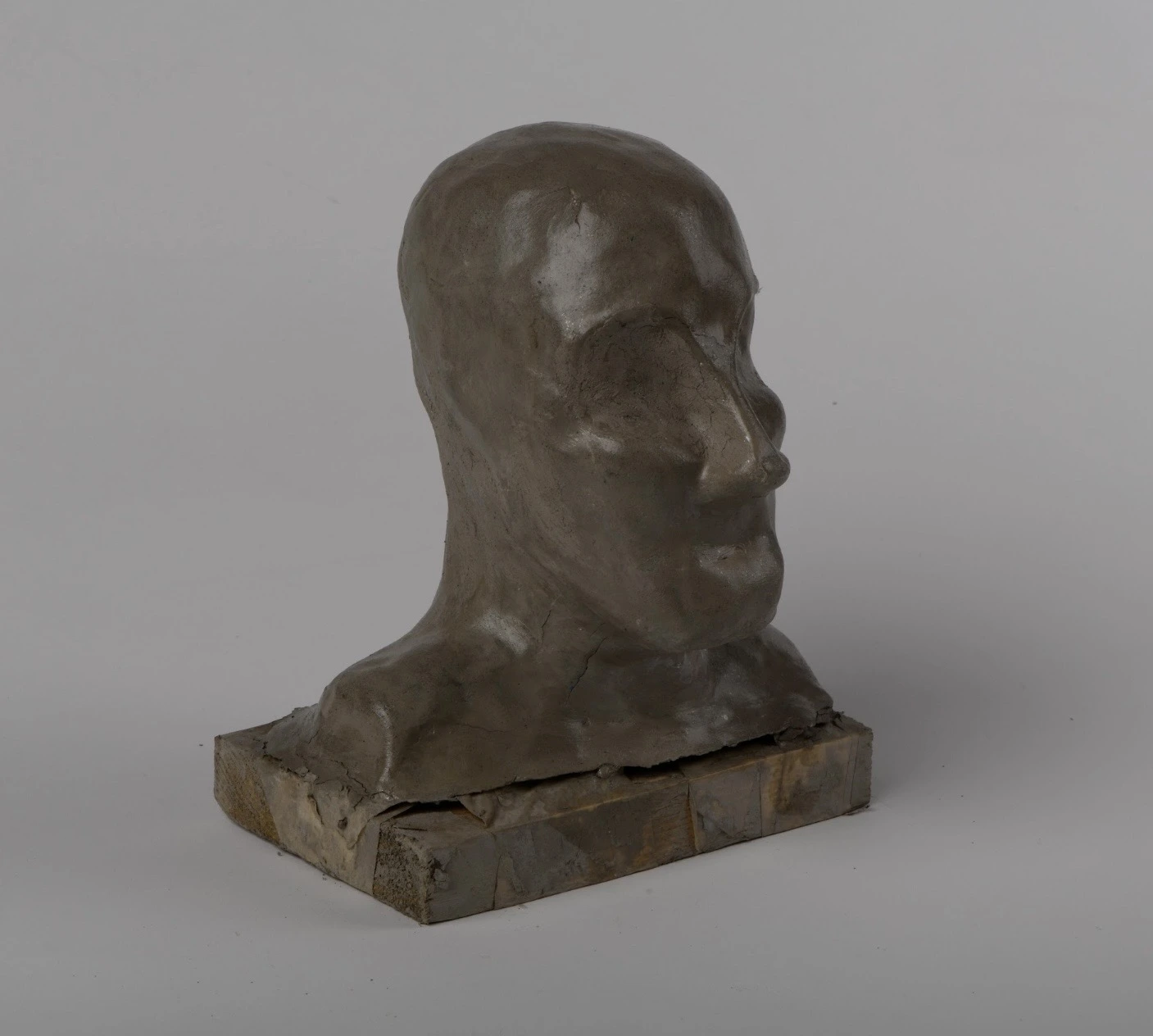
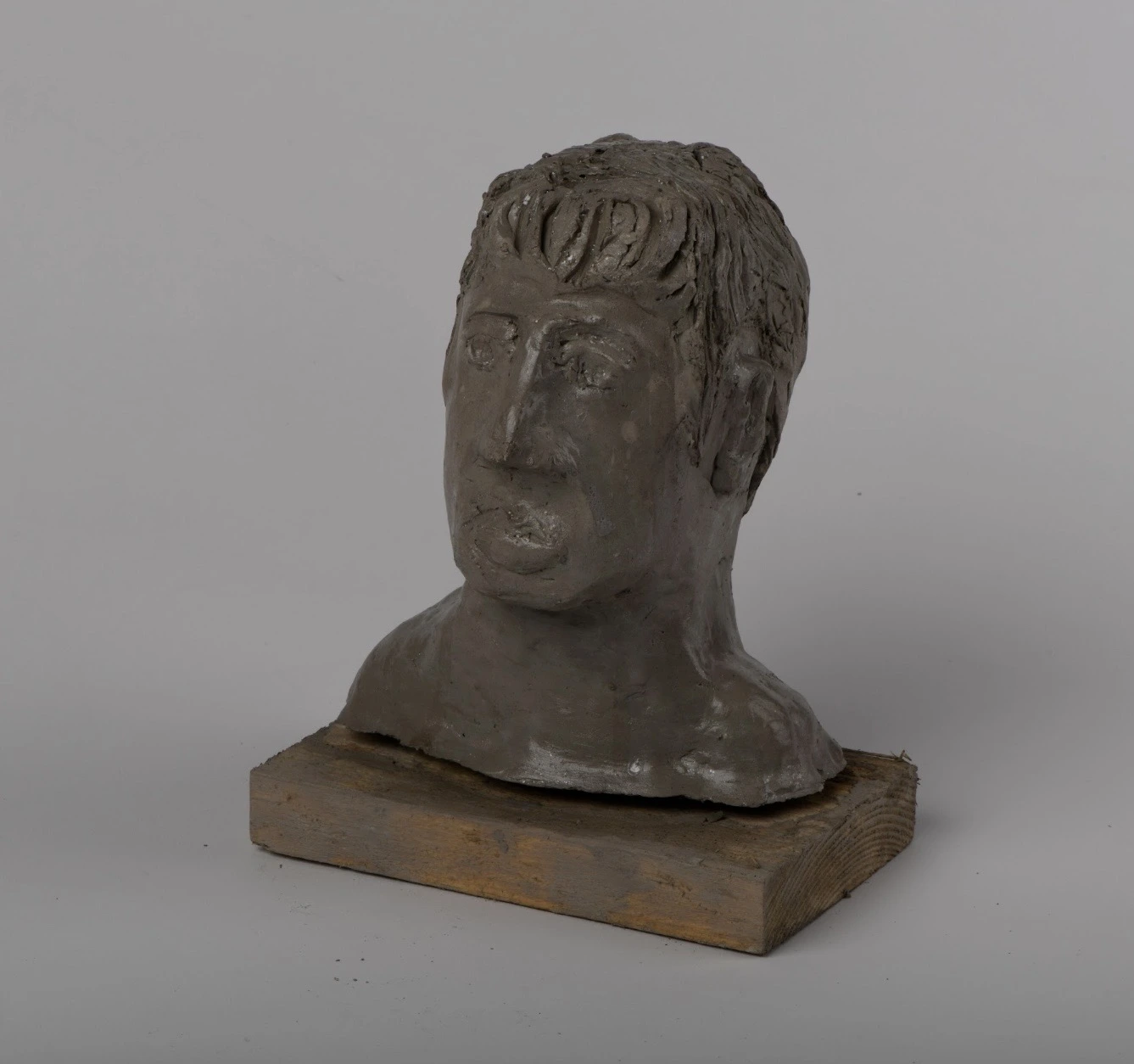
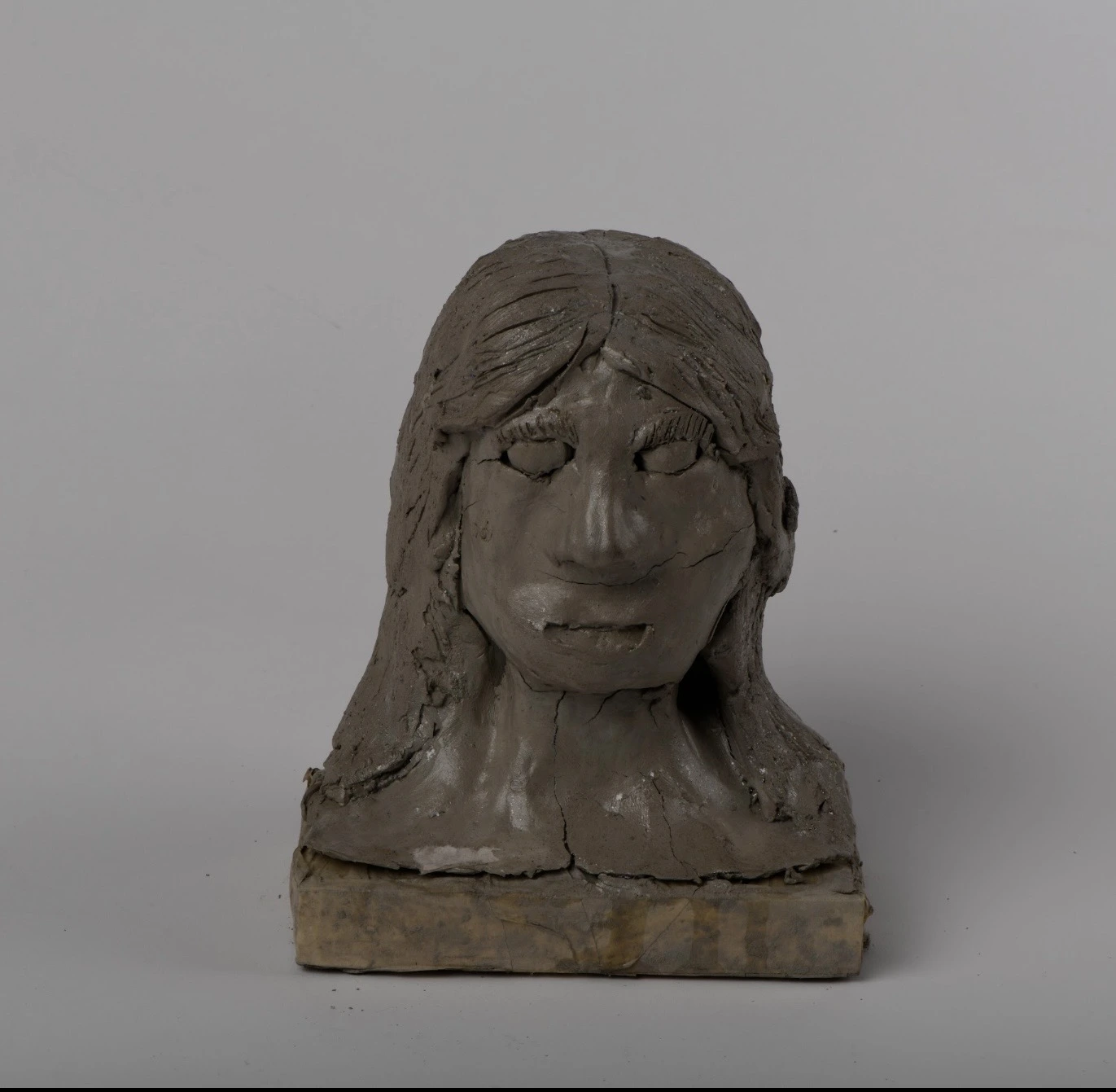
“Exploring student identities through the use of selfies and social media filters to create expressive self portraits.”
1st Years-
In this unit of learning the students explored how social media can affect self perception among young adults, the objective was for students to research the societal and phycological impacts of social media whilst also developing their artistic skills in proportion, distortion, and other drawing, painting, and sculpture techniques. Through this unit students discovered how portraiture can communicate personality, emotion, and self expression. During the project students were also introduced to basic facial structure, and they developed observational drawing skills using both mirrors and live models. Overall, the learning focus was on observation, researching, exploring, creating, and then reflecting while tackling several key artistic techniques.
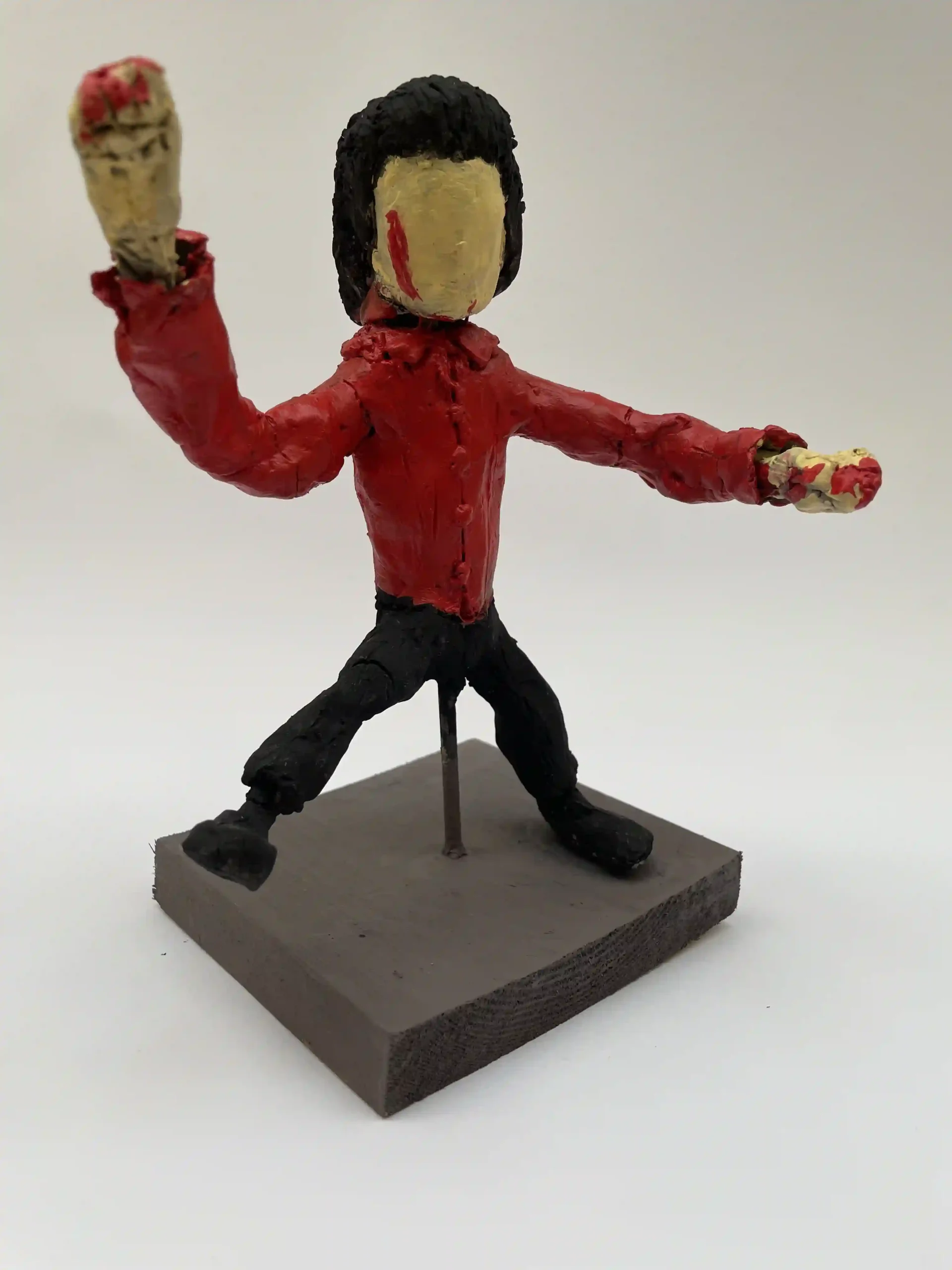
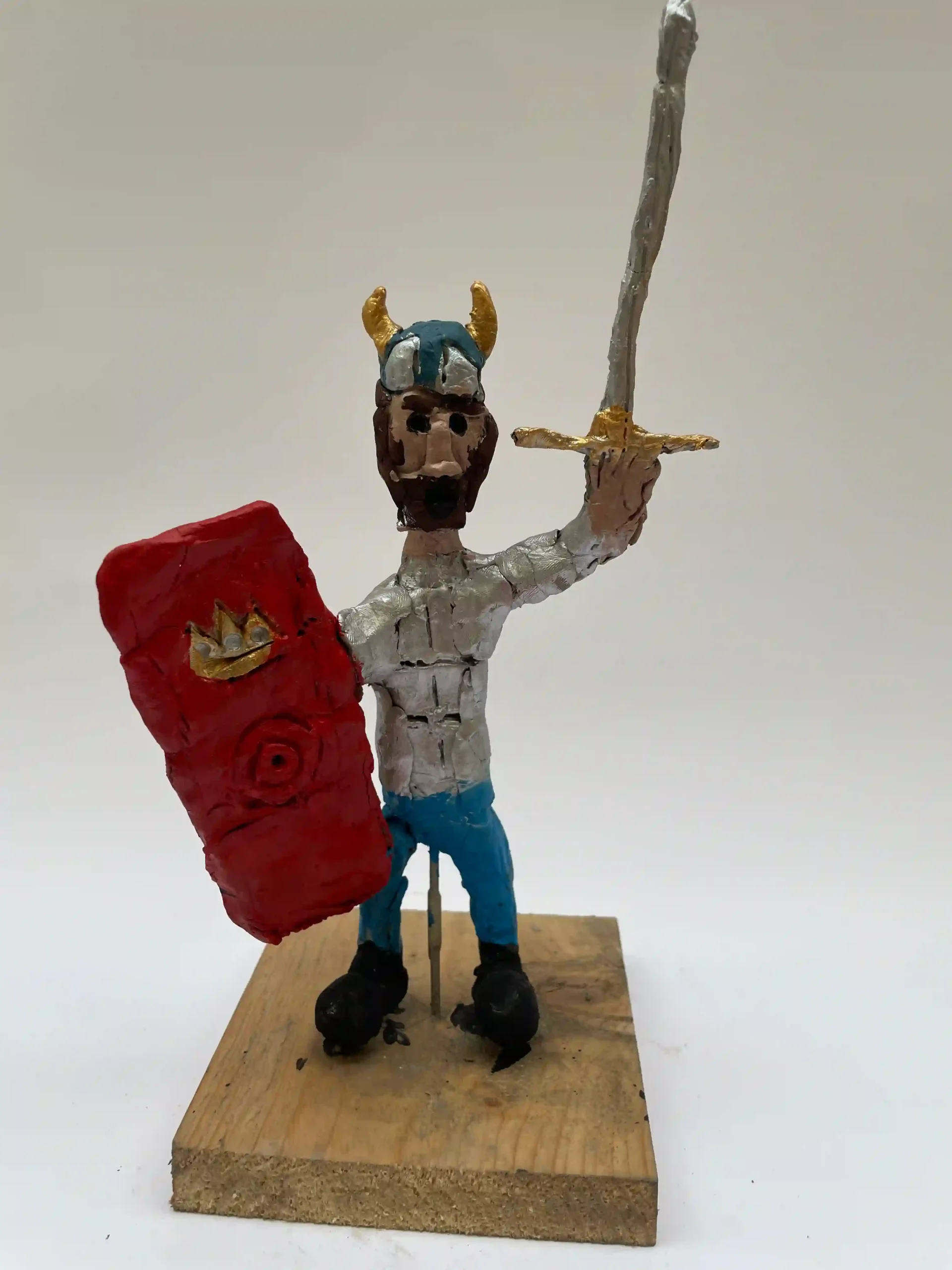
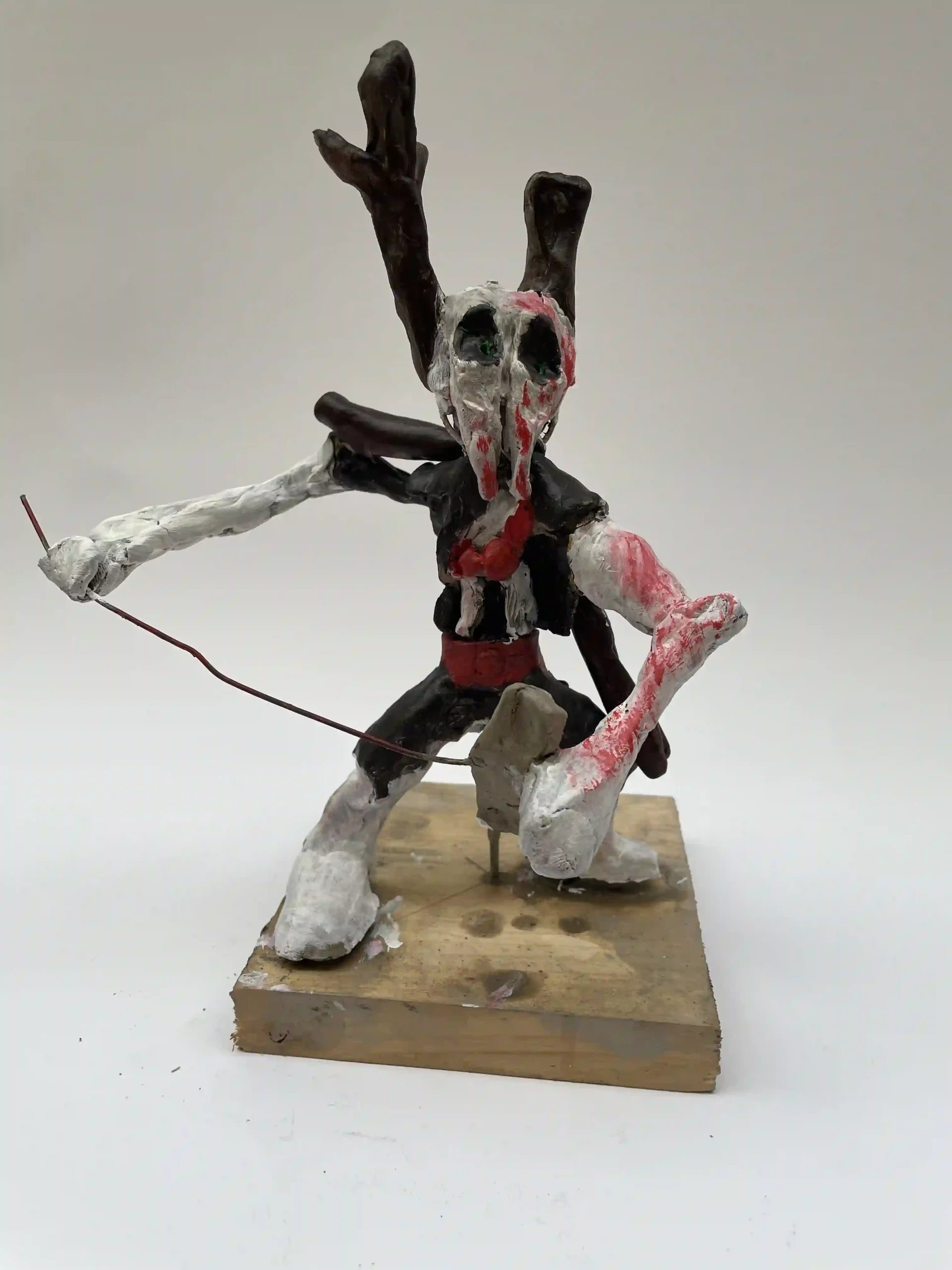
Using Character Design to Develop Sculptures of Original Characters.”
In this unit of learning students are using life drawing and gesture drawing, the students gained basic abilities in anatomical drawing and produced one character concept design based on one of the followings eras: The Iron Age and The Stone Age. Students had to create a character that re-imagines Stone Age and Iron Age characters in a modern setting and explore how they would have to adapt to today’s technology, culture, and urban environment.
Students then produced one A4 model sheet of a character 360-degree turnabout of their completed character concept design. Next, they considered the approaches, techniques, and styles of the researched artists to incorporate into their own artwork. They also considered the examples I showed them as reference from my own work.
Students discussed the brief as a group to generate ideas about how to approach the project. They then created a wire skeletal structure. By looking at images of the human skeleton and muscles, 3D nine-inch mannequins were then made.