
-
- Stephen Hartigan
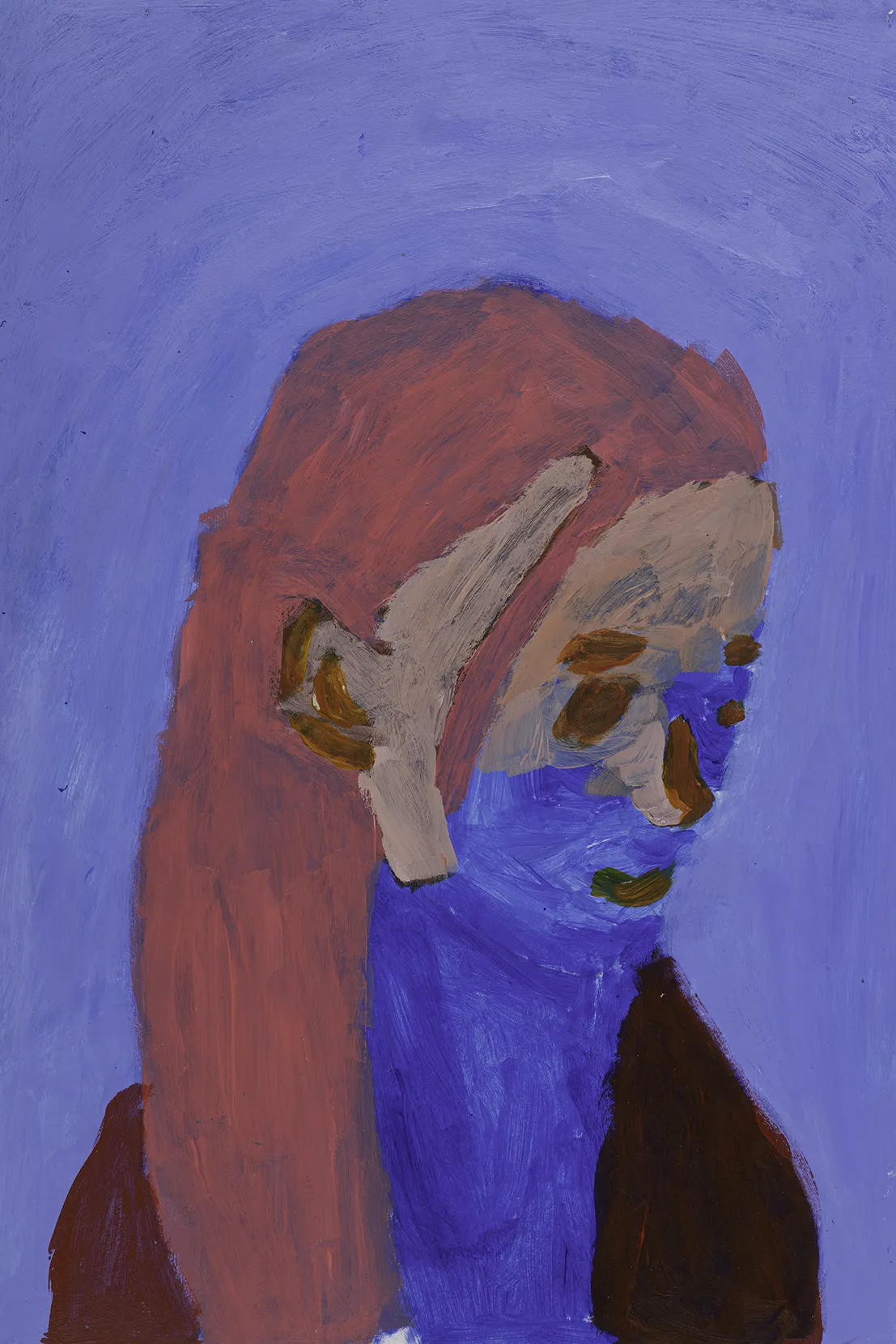
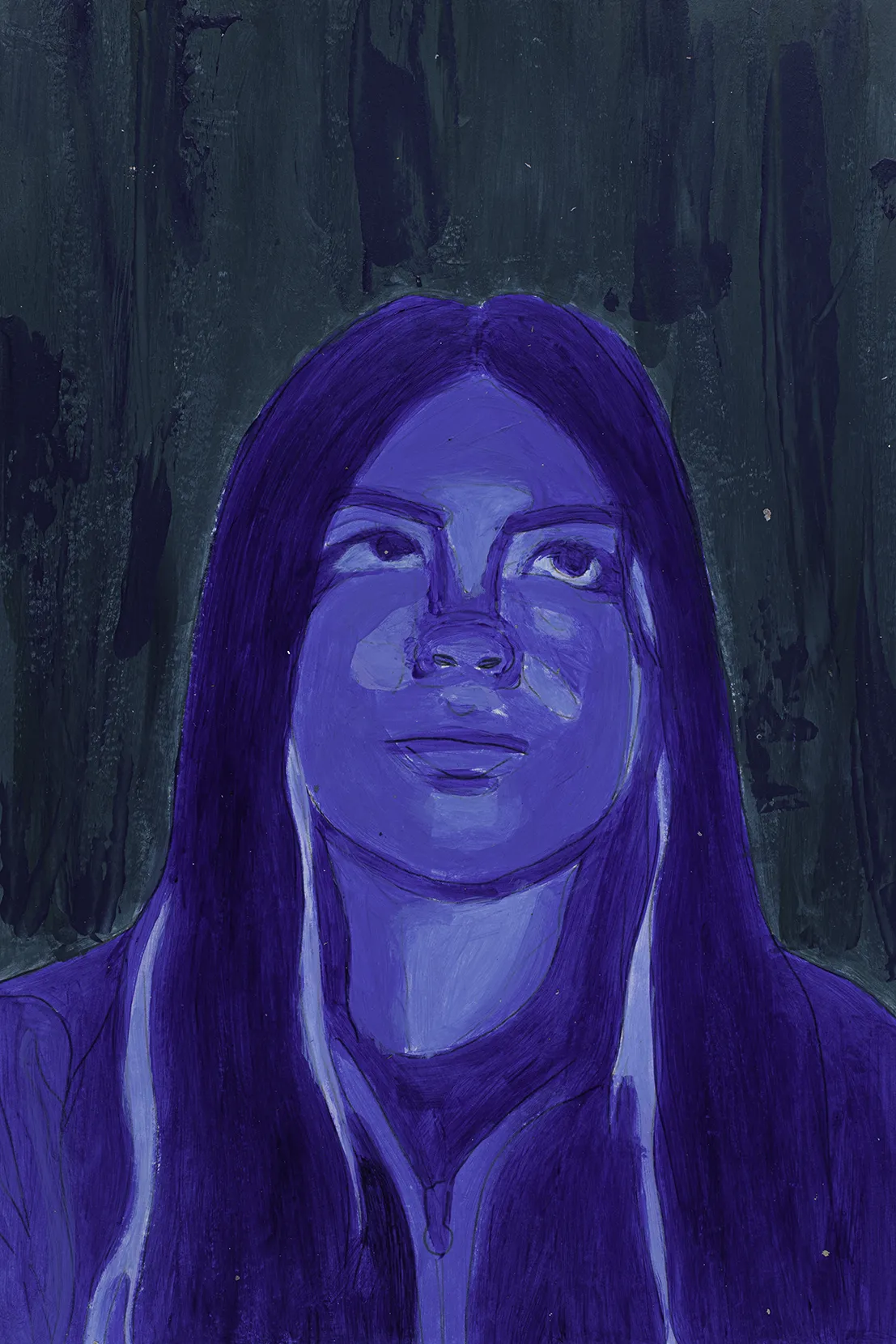
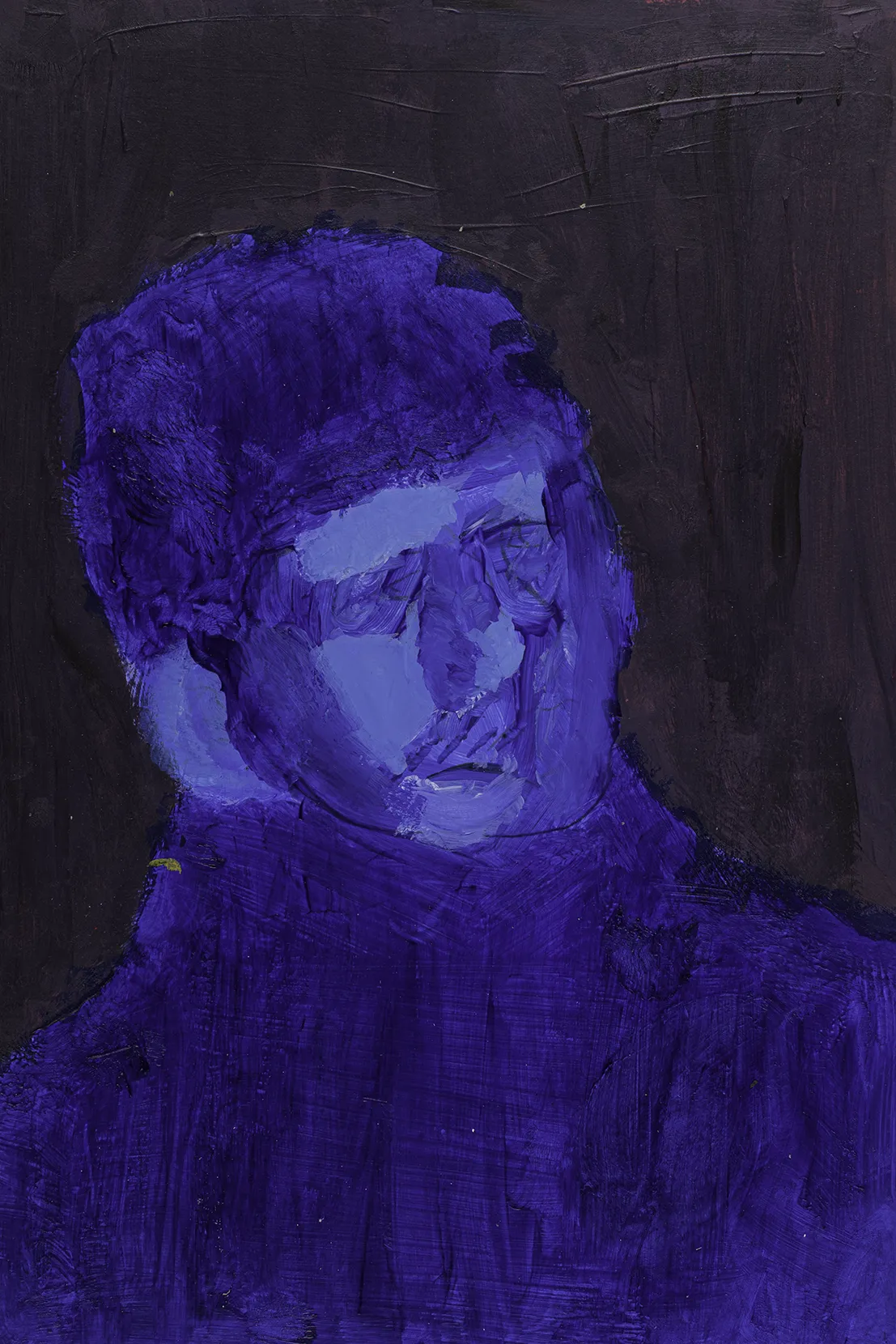
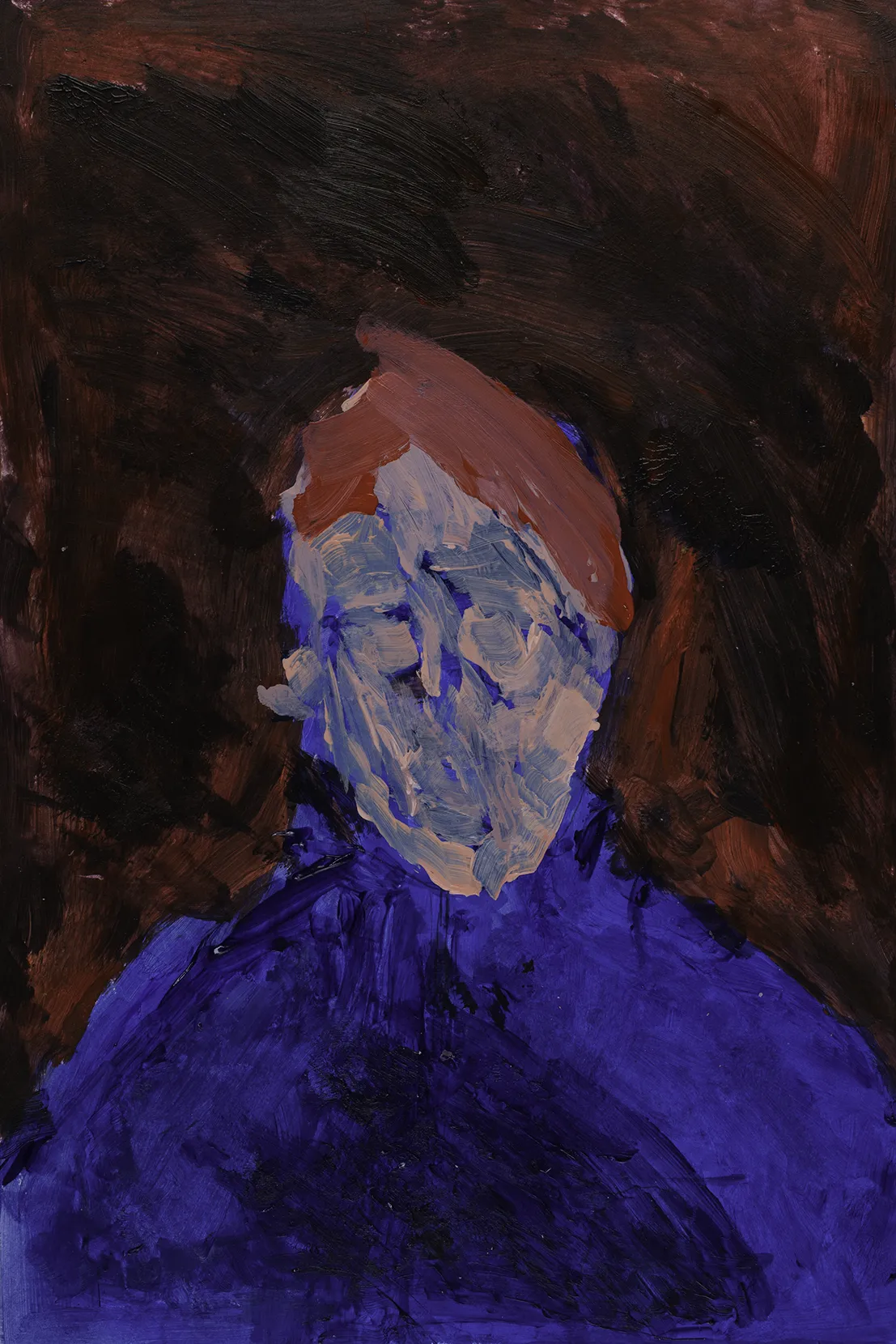
Screens, Selves & Signals
Second year students investigated how living in a tech-saturated world shapes identity, mood, and perception. Drawing on expressionist approaches to distortion, colour, and emotion, alongside contemporary media critique, students created emotionally charged self-portraits that respond to the pressures of online life, such as filtered identities, algorithmic attention, and the constant signals we send and receive.
Lessons connected visual culture to technology, examining tools and phenomena such as AI, deepfakes, and digital filters in dialogue with modern and historical artworks. Through constant making and reflection, the unit aimed to challenge the myth of seamless digital progress, encouraging students to reveal the limits, harms, and material consequences of the virtual world.
This project was also part of my action research study, where I investigated the potential of material-based strategies for learning in the art classroom in response to the critical and cognitive effects of digital media among adolescents. Increasing concerns around attention, cognition, and ideological influence, that have been highlighted in recent research, suggest there is a need for a new pedagogical approach that moves beyond traditional literacy-based frameworks.
The study found a clear disconnect between the students’ awareness of their digital habits and their understanding of its cognitive effects. Material-based interventions helped students to reflect on the limitations of digital media, and physical encounters with artworks were found to enhance attention, engagement, and reflective thinking. The study suggests that the art classroom offers a unique space to foster critical engagement with digital media through experiential, material and embodied learning.
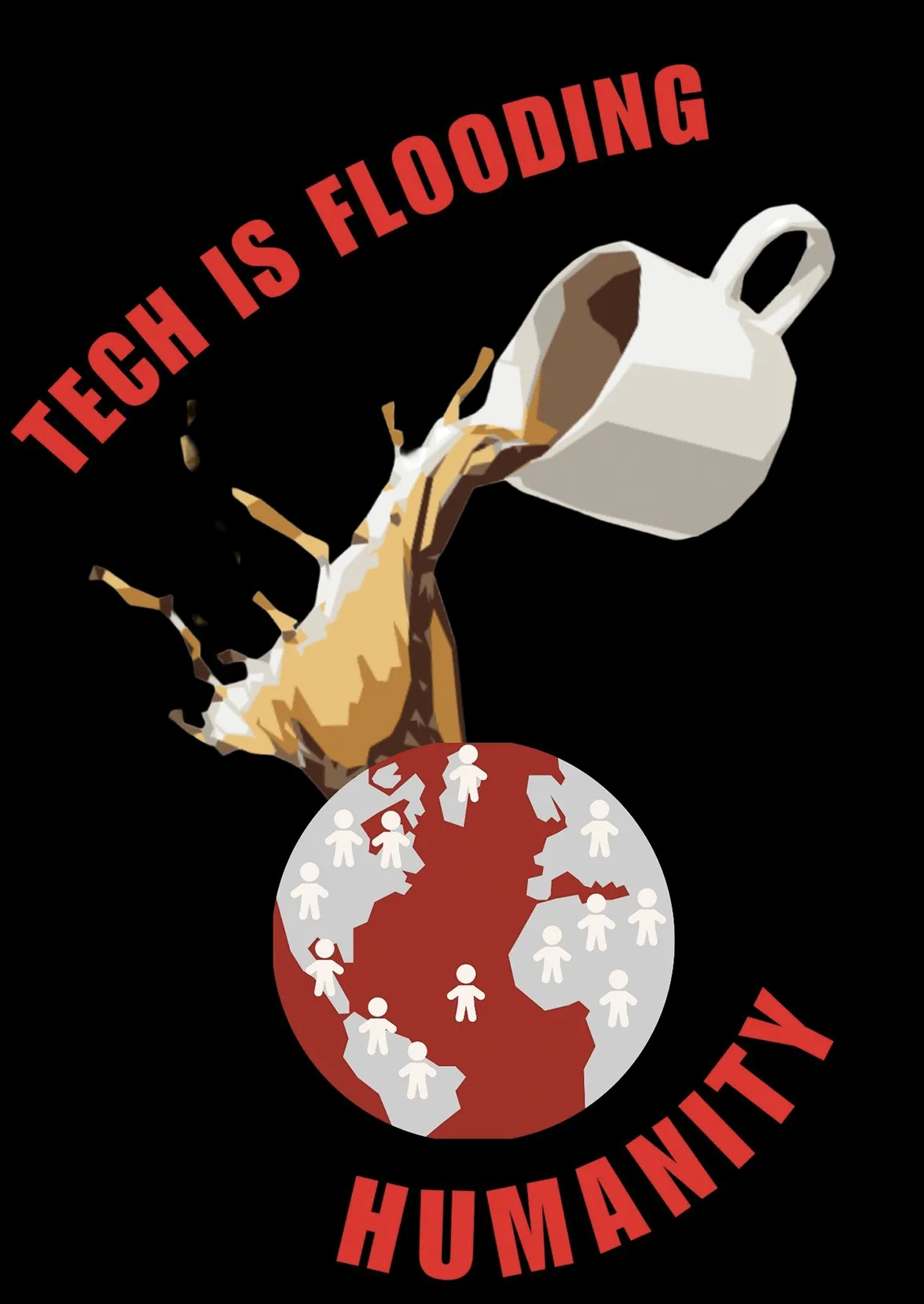
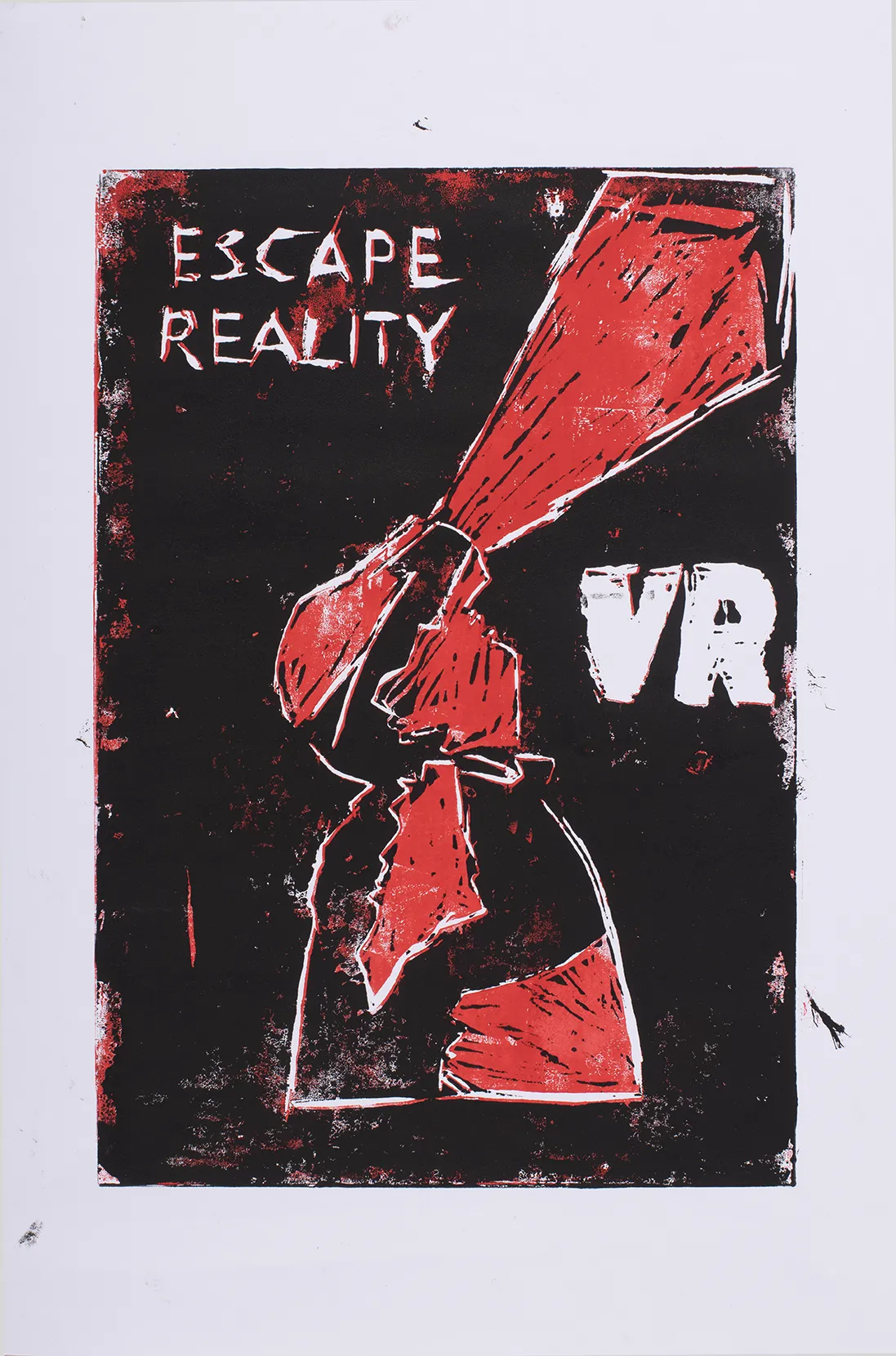
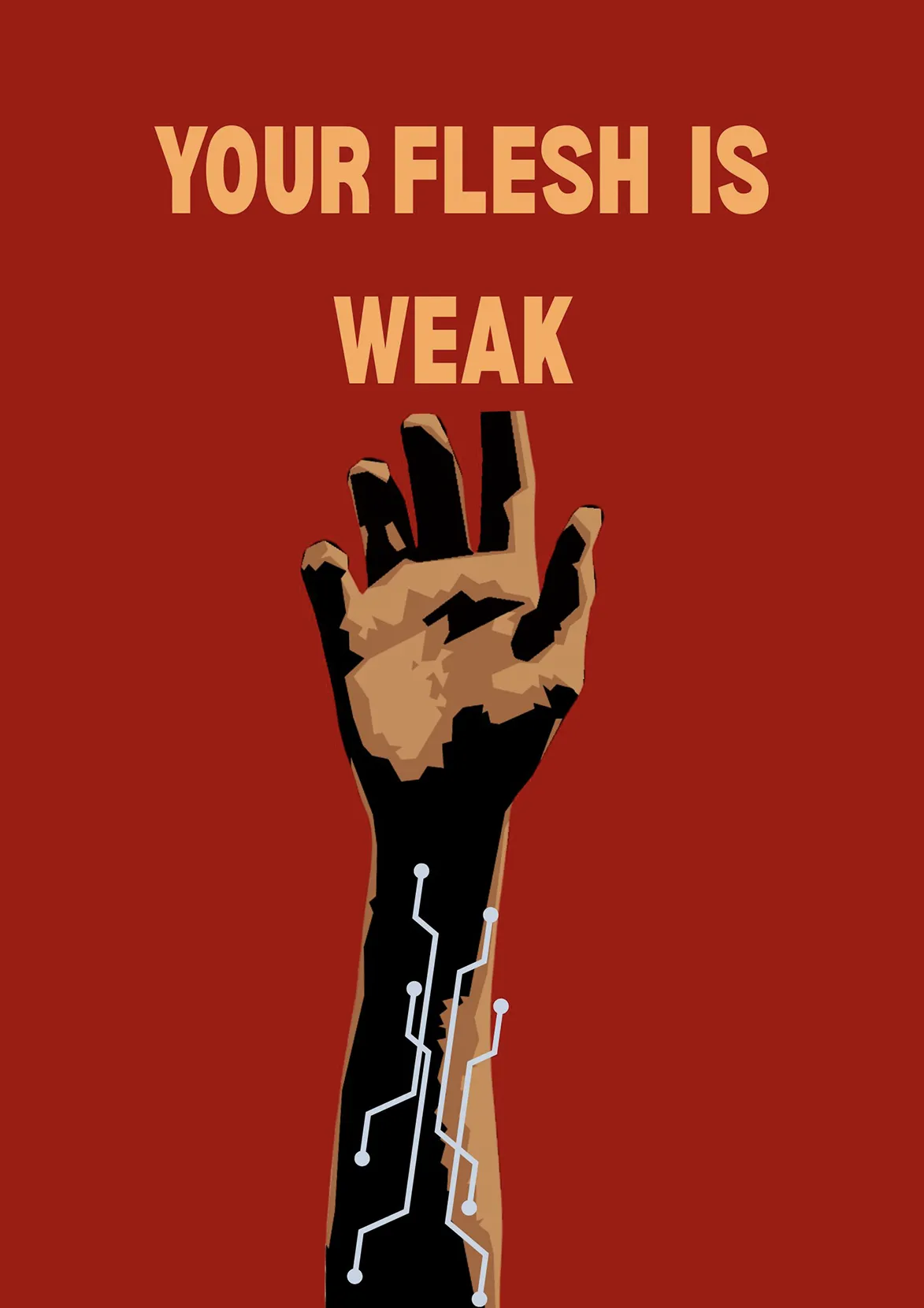
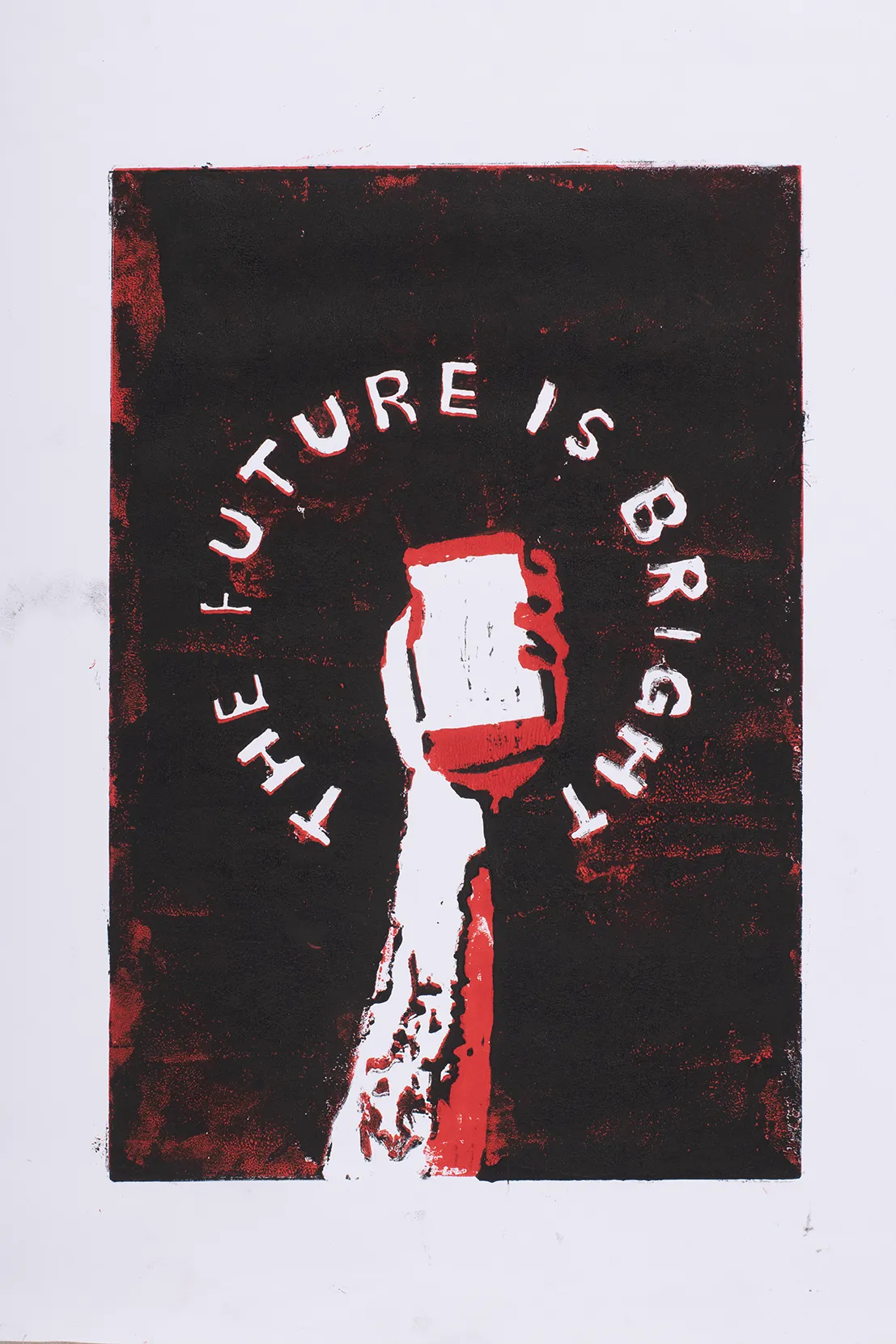
Brave New World
In this second-year unit, students explored satire, design history, and visual propaganda by creating lino-print posters set in a “fictional” future where blind devotion to technology is mandatory. Drawing inspiration from Soviet propaganda, especially the work of Dmitri Moor, students exaggerated the glorification of technology, control, and progress to absurd extremes. Using bold composition, limited colour, simplified slogans, and emotional manipulation, the posters mimic how the Soviets once sold ideology, now reimagined through a dystopian pro-tech lens. Designs were developed digitally using freeware, before being translated into lino prints, bridging contemporary digital tools with traditional printmaking and critical visual thinking.