
-

- Helen Nolan
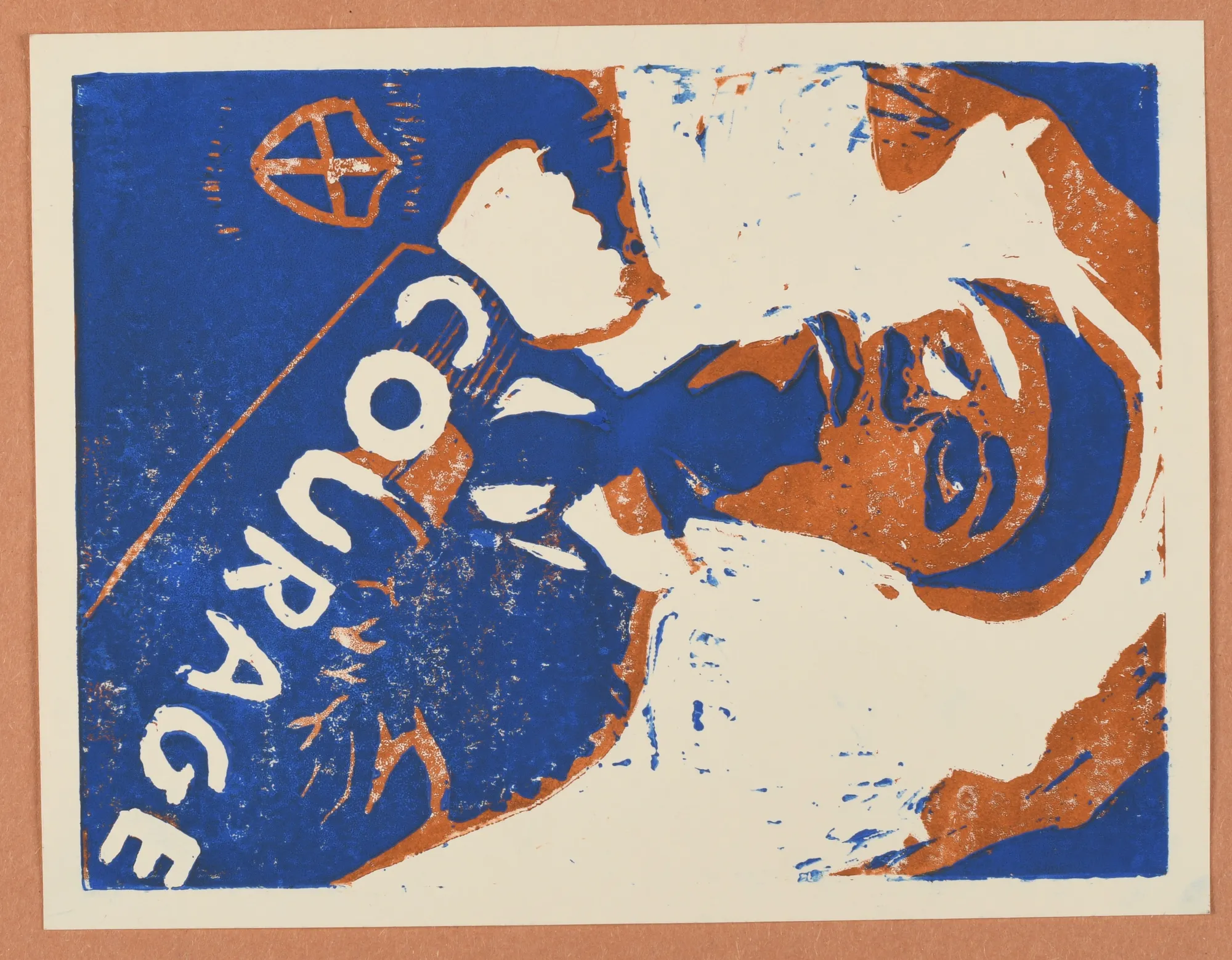
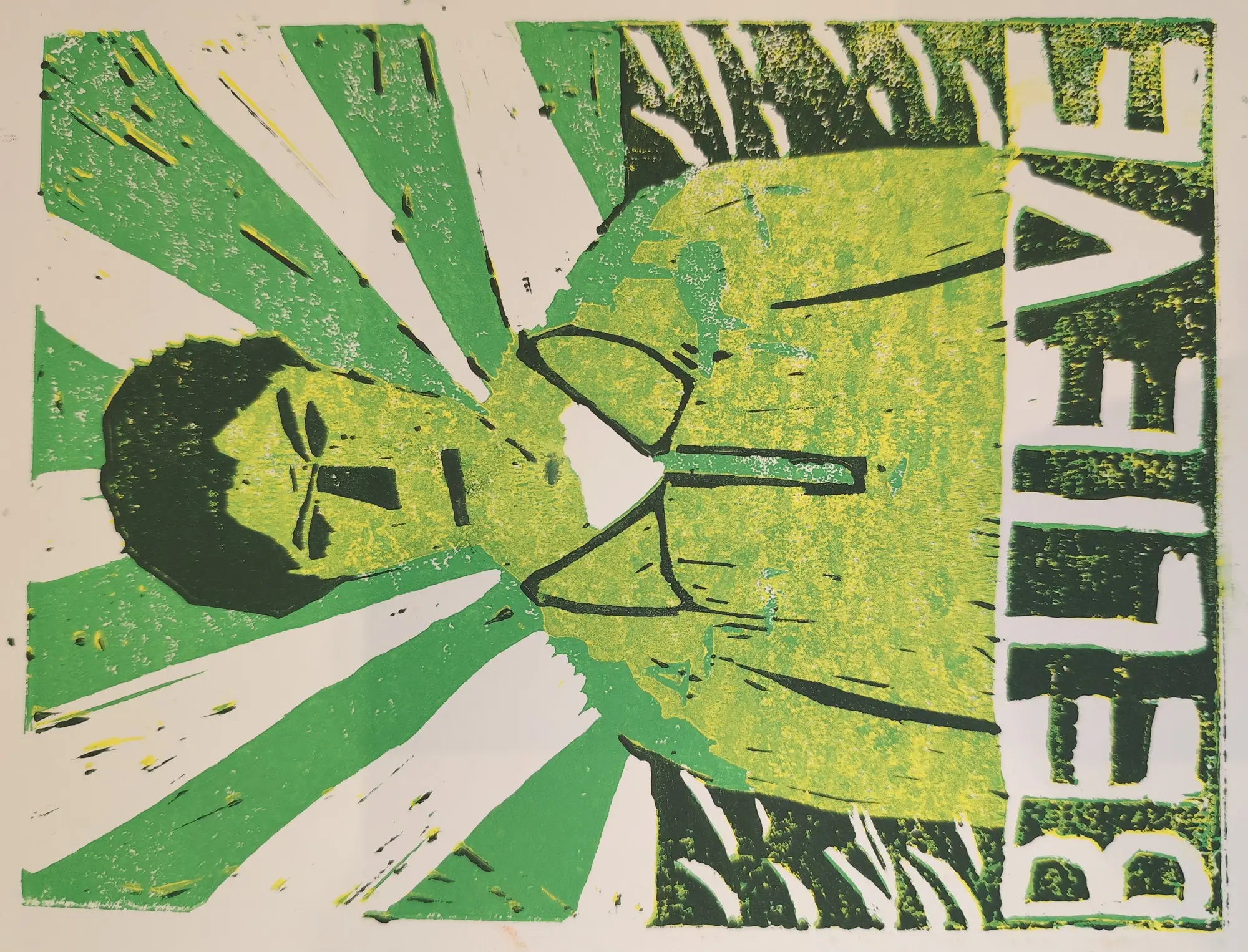
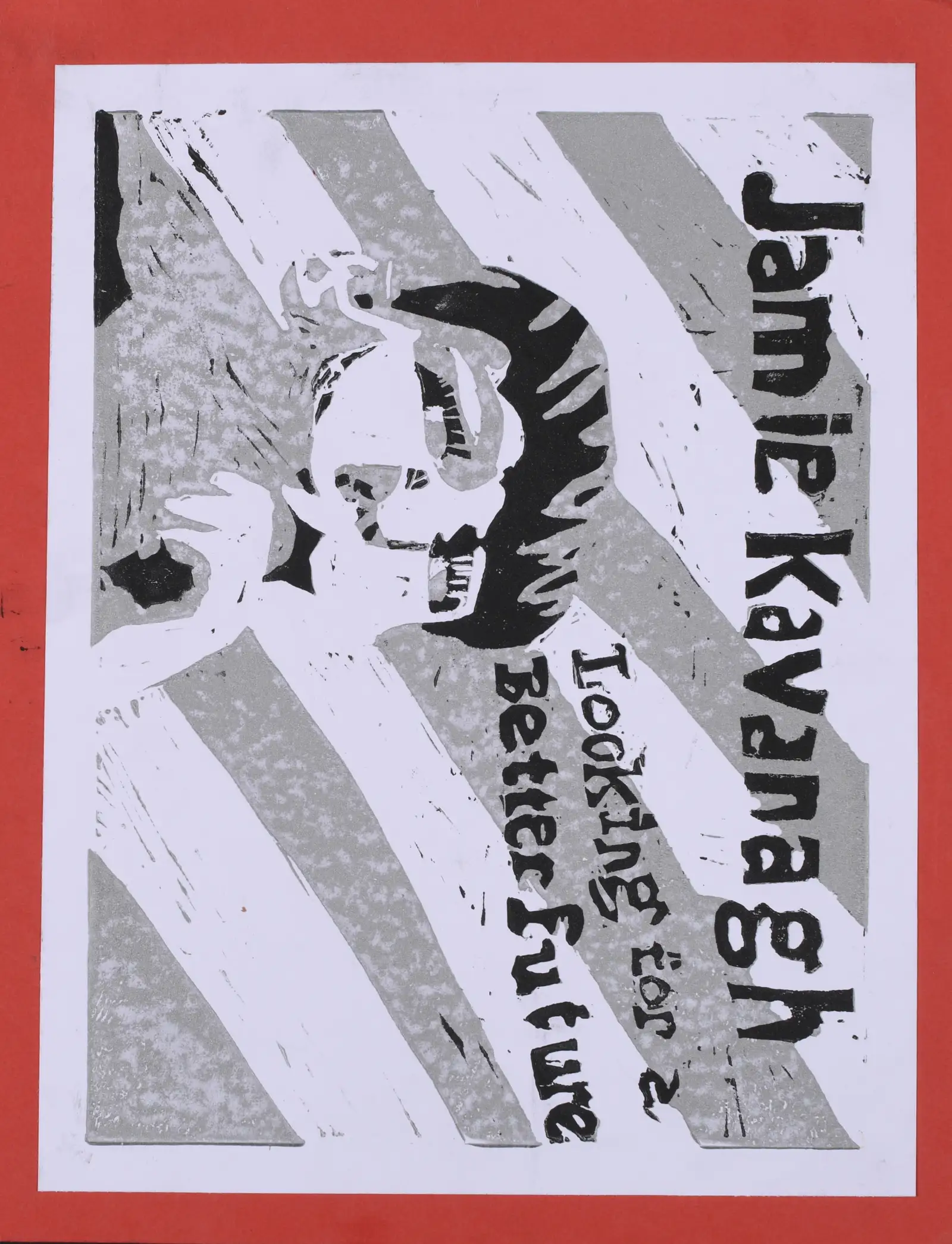
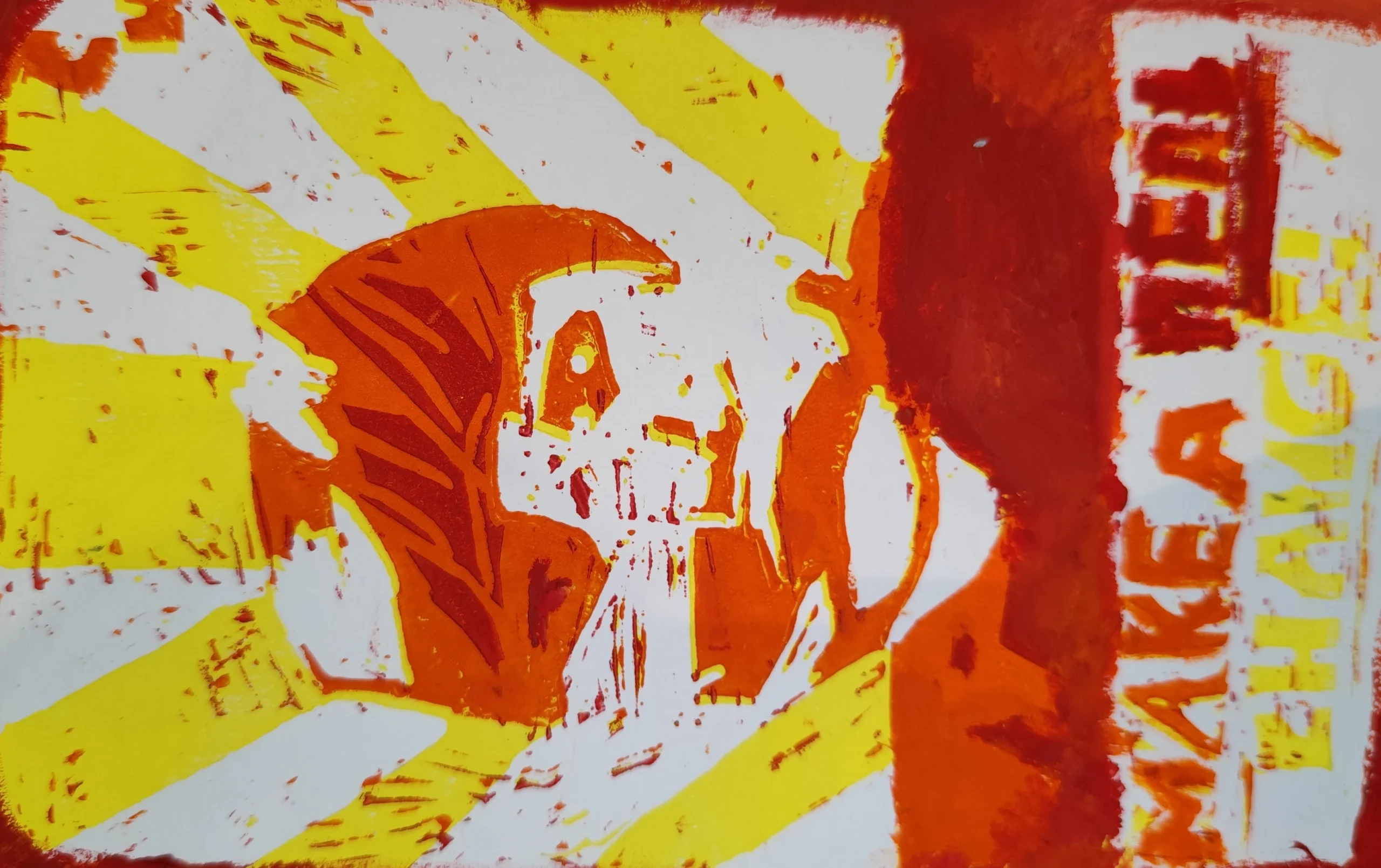
Power in Print: What Do You Stand For? Campaigning Through Lino Poster Design
Power in Print: What do you Stand For? was designed to help second year students explore their voice, values and visual precision through poster design. Framed around the theme of campaigning for class president, students reflected on their beliefs, aspirations, and vision for a positive school community. They translated these ideas into a clear, persuasive message, communicated through both design and reduction lino printing. The project emphasised the relationship between concept and visual form, encouraging students to make intentional design decisions in typography, composition and imagery. Through iterative sketching, making and reflection, students developed awareness of how visual choices influence meaning and audience response. Grounded in design thinking processes and informed by reflective practice, the unit supported students in becoming more self-aware and purposeful creators. It also formed a key part of the research focus, examining how structured reflection and experiential learning frameworks can enhance student’s understanding of their capacity for communication through design.
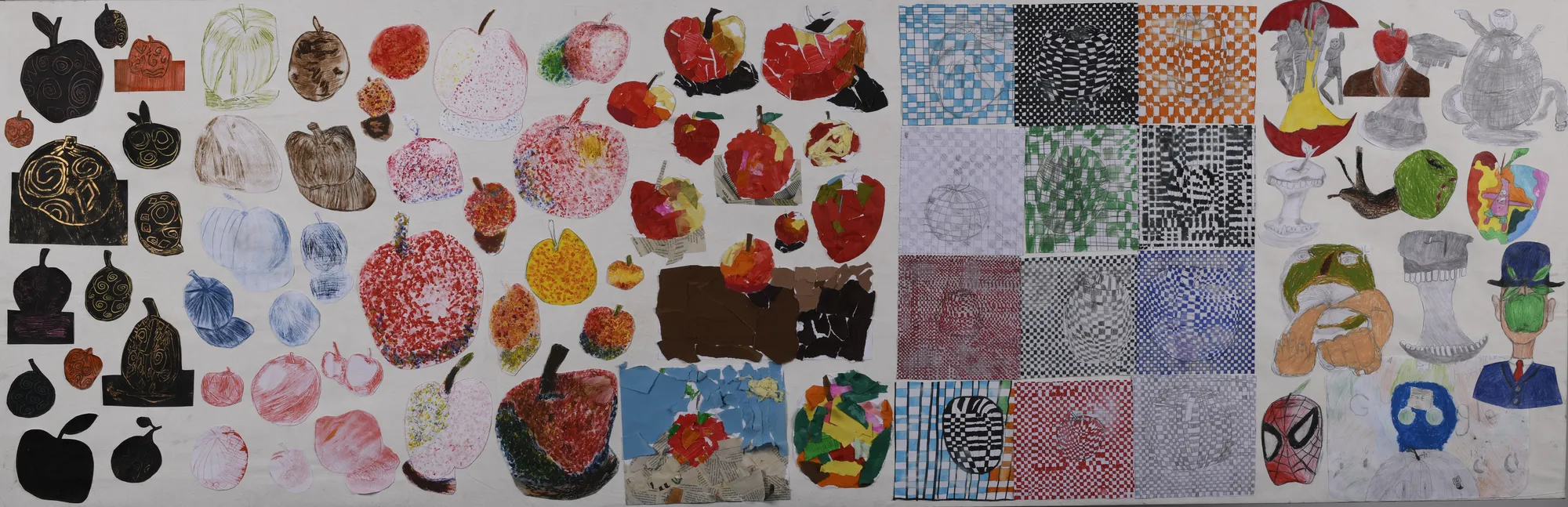
Core elements: An apples journey through Art history along seven stylistic paths
Inspired by the quote “Everything we see hides another thing, we always want to see what is hidden by what we see” by René Magritte, this unit of learning invited first year students to explore how meaning in art is shaped by style, context and perception. Using Magritte’s apple, students examined how a single, familiar object can reveal the visual language, methods and ideas of different artistic movements across history.
From neolithic carvings to the imaginations of surrealists, students reinterpreted iconic artworks by examining the characteristics of each style. Through making, analysis and reflection, students developed visual literacy and an appreciation of how artists communicated meaning.
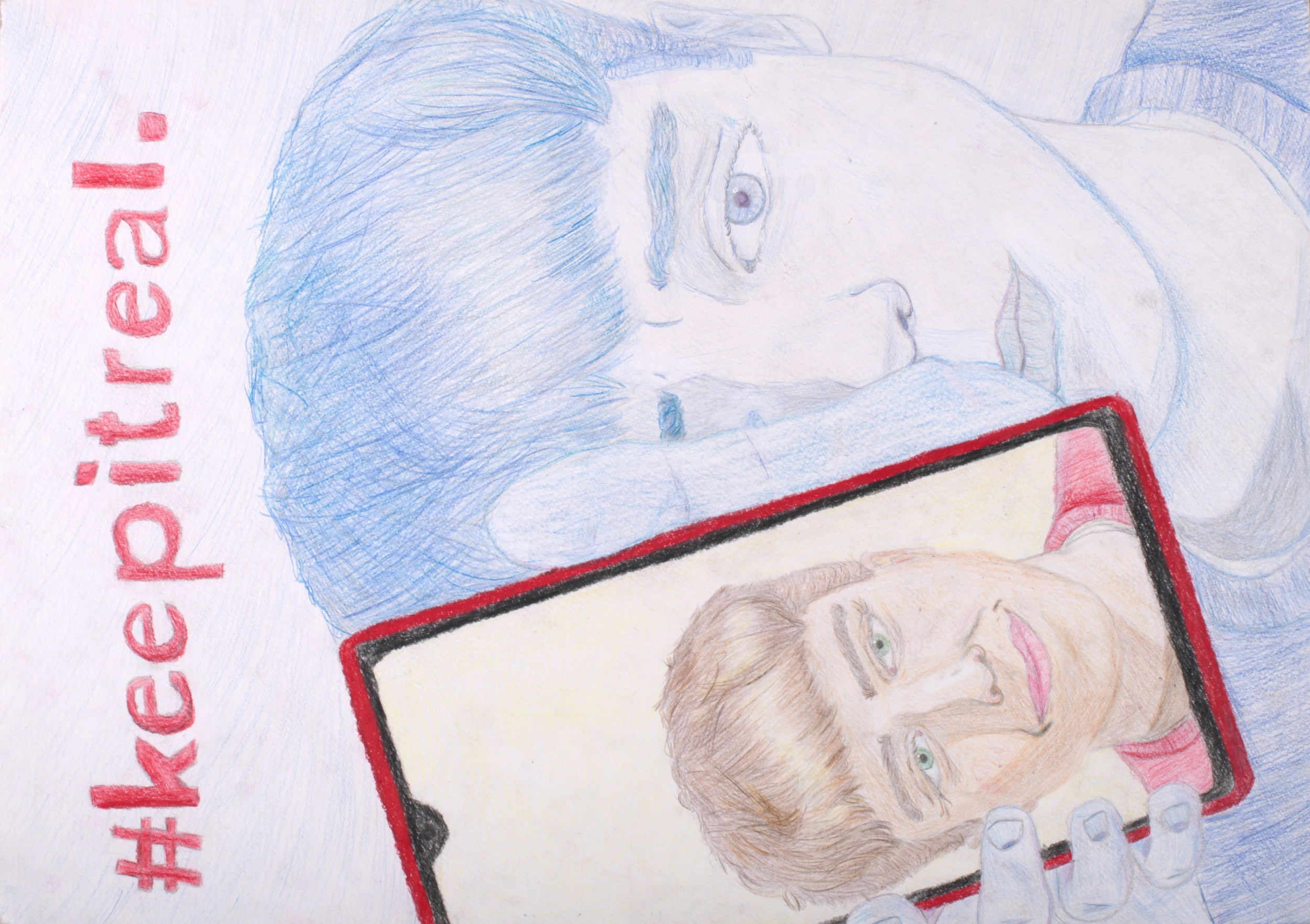
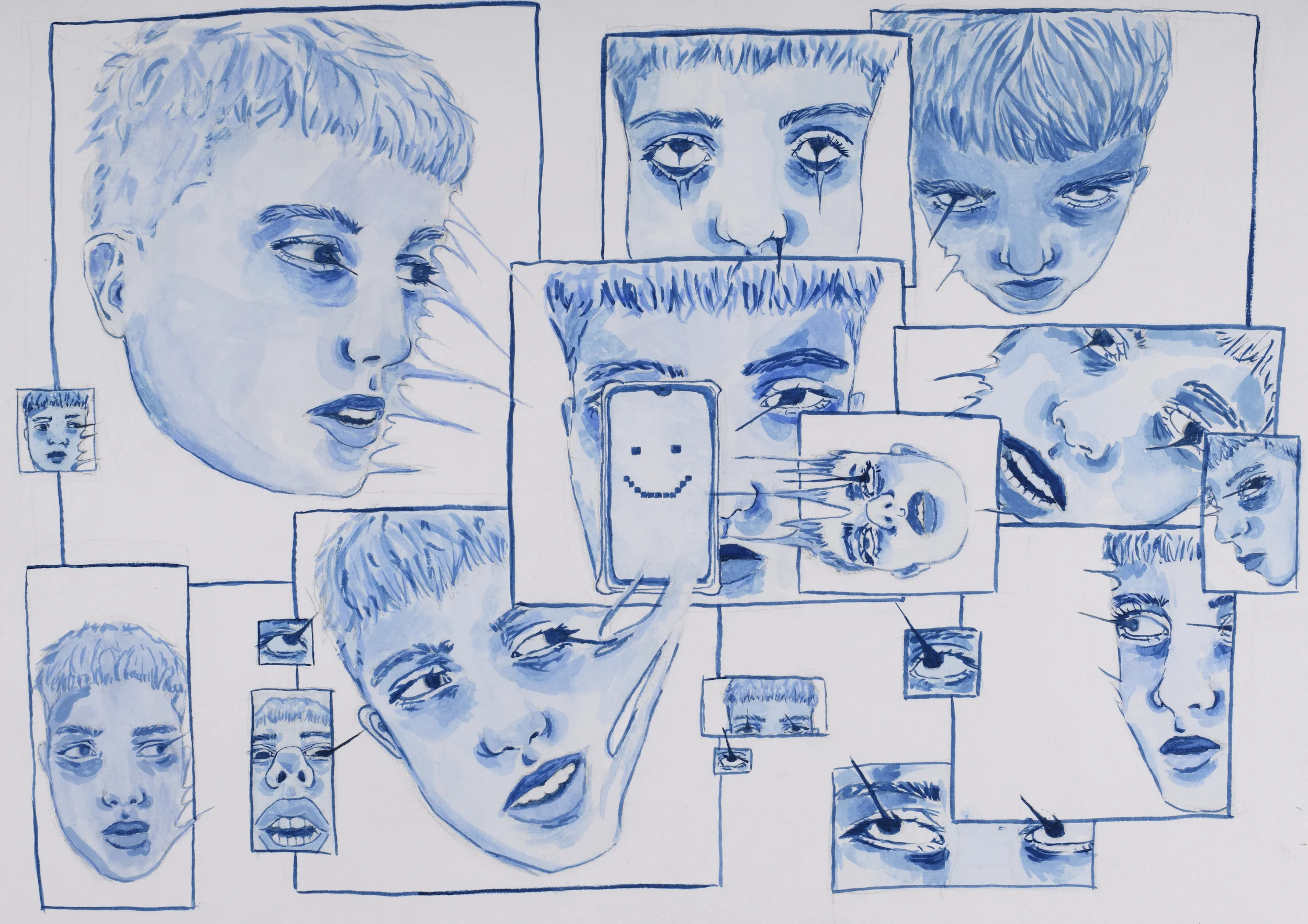
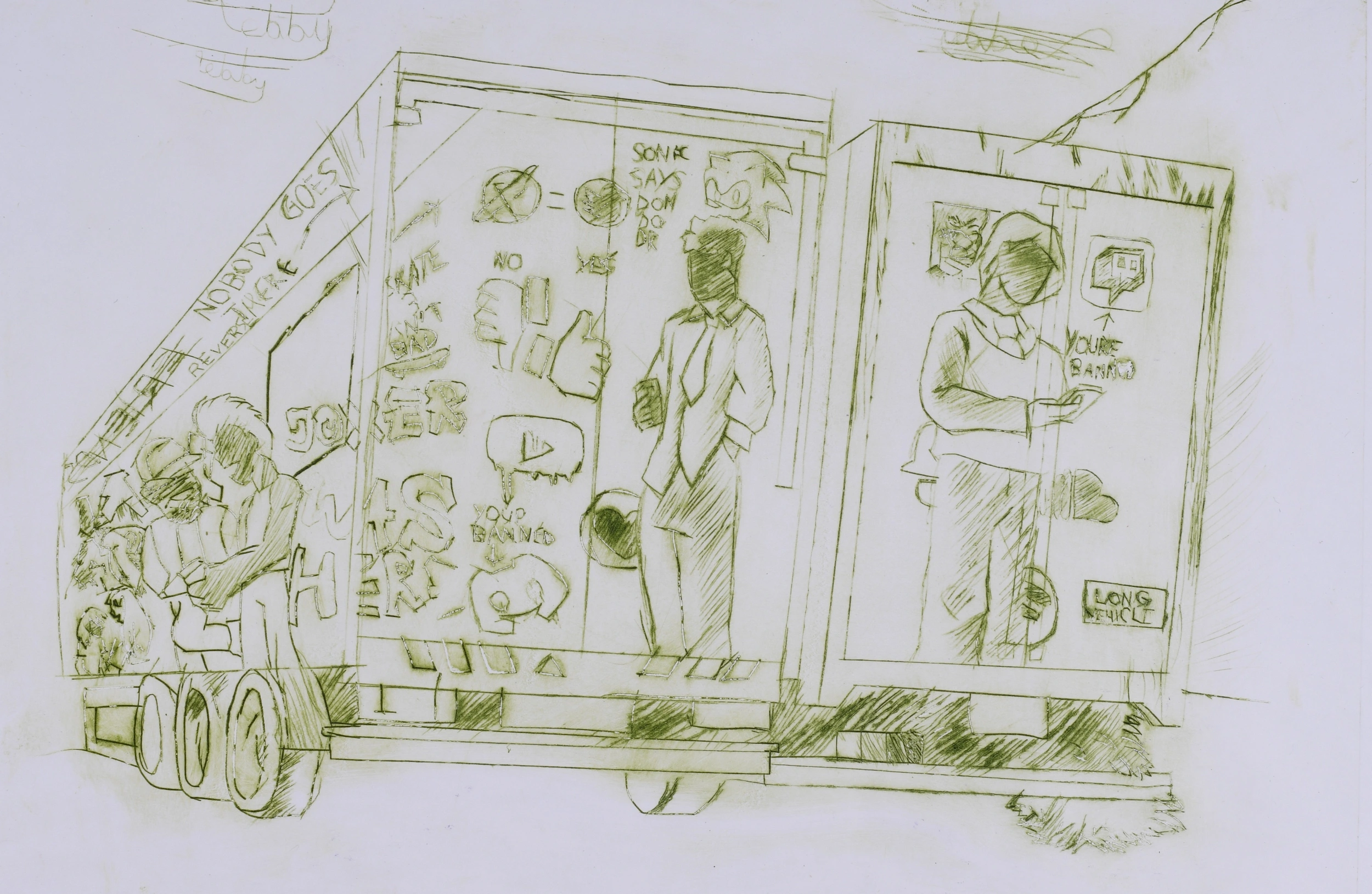
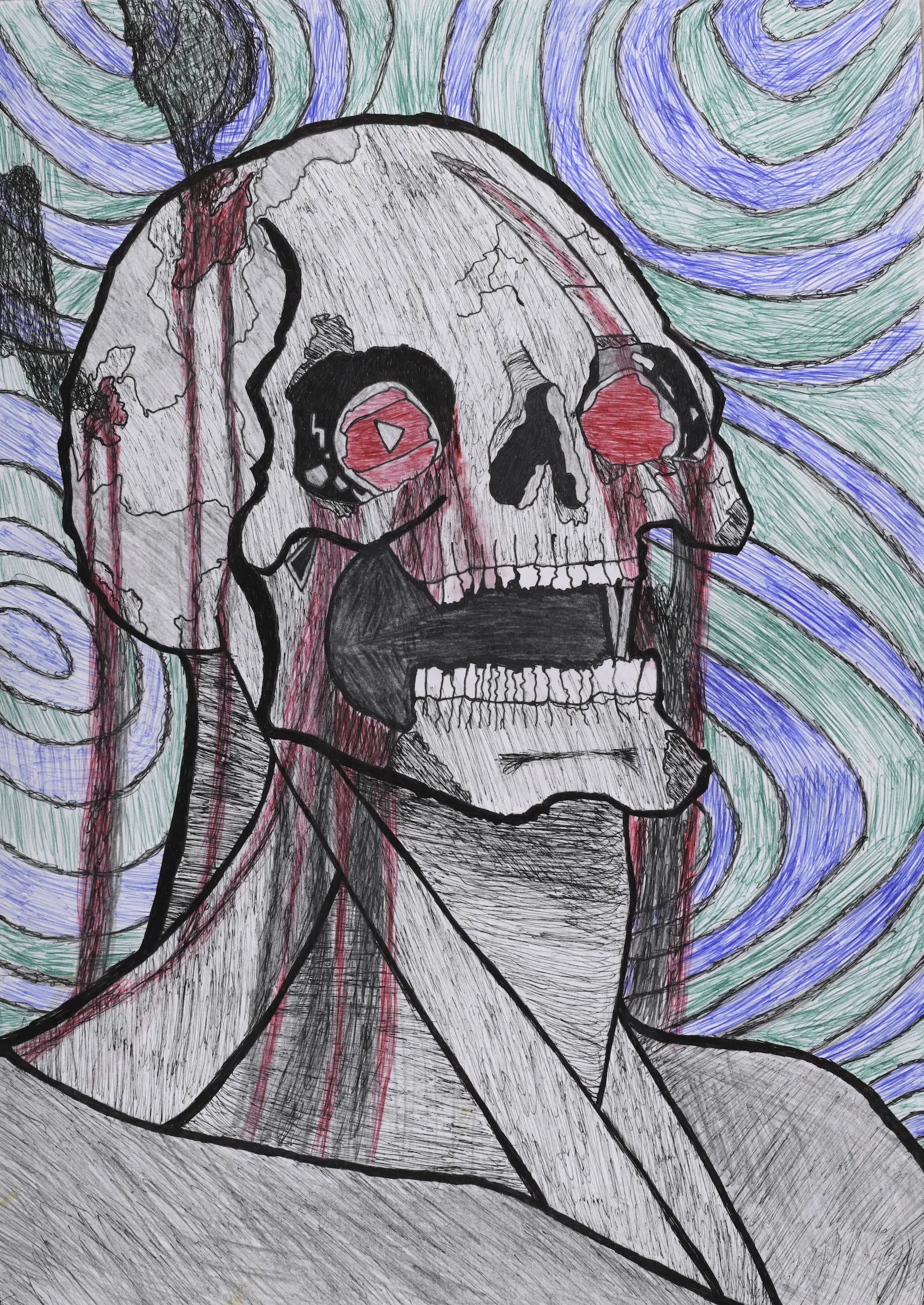
Walls that Speak: The Paradox of Social Media through Street Art
Social Media connects us and isolates us, empowers and distracts, reveals and conceals. This project invited fifth year students to critically explore the paradoxical role of Social Media in contemporary life and the impact it has on identity, wellbeing, and perception of self and others.
Working through the lens of street art and mural design, students explored how visual communication in public spaces can carry social commentary and provoke public reflection. A key aspect of the process involved engaging with their own lived environment within the school, selecting specific sites and surfaces to strengthen the meaning of their work. Locations such as the sports hall, social spaces and disused spaces were considered and used intentionally, allowing context and setting to become part of the making.
Students developed a mural concept that communicated a personal viewpoint on this duality, designed to spark conversation, reflection and awareness among viewers.
The project encouraged critical thinking, visual symbolism and conceptual development, supporting students in translating abstract social issues into powerful visual narratives.