-

- Rachel Clancy
Rachel Clancy
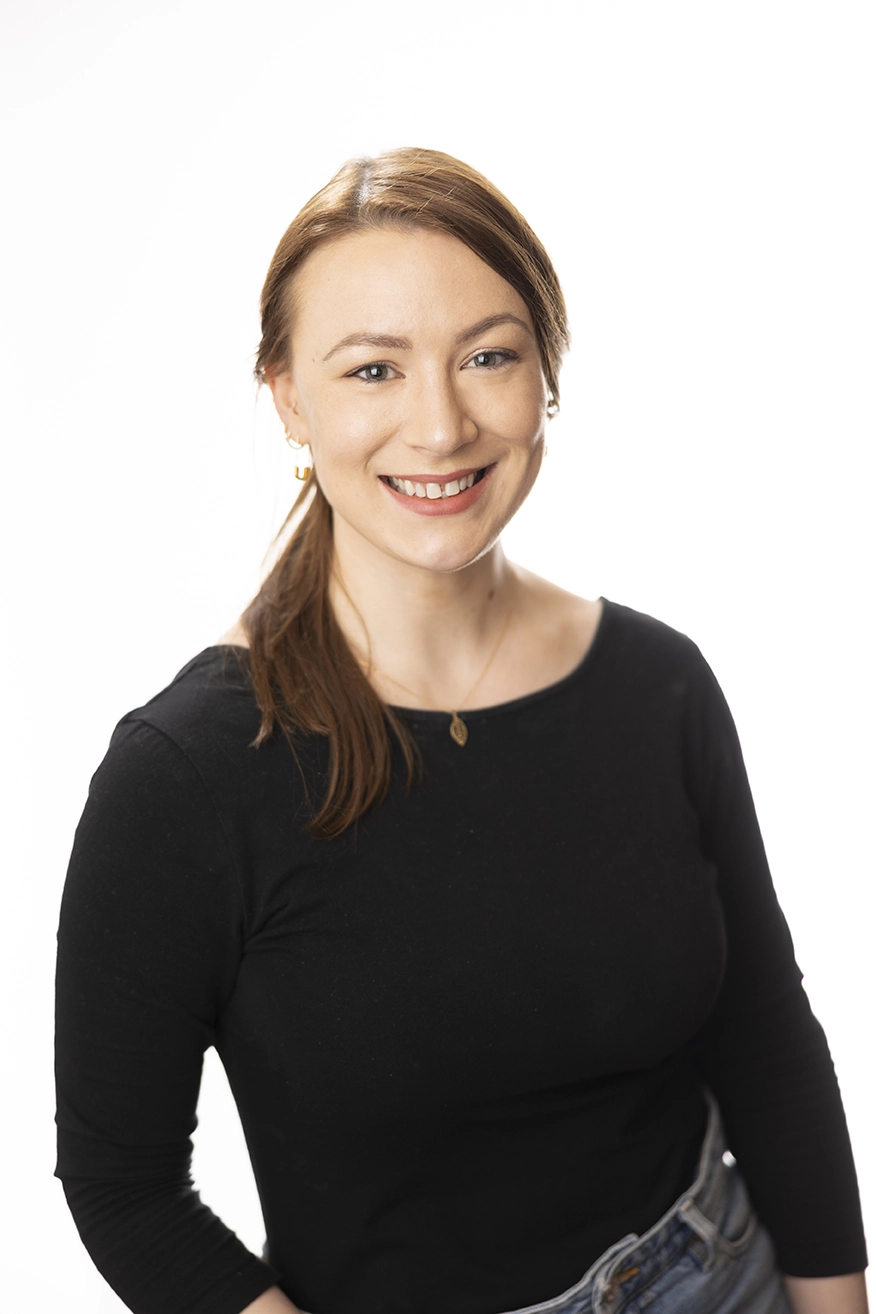
Rachel Clancy always had a very clear idea that she wanted to work in the creative sector.
Rachel Clancy grew up in Corbally, Limerick, with a clear view of LSAD’s gallery dome from her back garden, and a clear sense that a creative career needed real prospects at the end of it. Graduating into a job market still feeling the post-Celtic Tiger downturn, she wanted something with staying power. Visual Communications gave her the foundation to pursue a diverse creative career with confidence. Since graduating in 2014, Rachel has worked as a Graphic Designer, Art Director, Illustrator, Games Designer, and Creative across Boston, Dublin, and London. She’s currently a Senior Art Director at The LEGO Group, London.
Can you tell us how your career in design began?
You can see the top of the church gallery from my family home in Corbally, so LSAD was always on the horizon. When Dell closed its factory in Limerick, my Dad was made redundant, and suddenly our family was having serious conversations about employment. When it came to the CAO, I felt real pressure to choose something with a job at the end of it.
Visual Communications ticked all the boxes: it offered practical skills in creative technology and design thinking, a focus on professional practice, and coursework that allowed me to bring my own ideas to the projects. The balance of structure and self-directed work suited me well. I don’t want to be micromanaged, but I needed clear goals and deadlines to stay on track. I had great classmates too, I think we were an ambitious cohort! We definitely spurred each other on, but there was also a lot of supportiveness and peer-to-peer learning.
The course comes to life through the tutors, and it makes all the difference to be taught by people who are genuinely passionate about what they teach. I wasn’t the most polished student, but I always felt that genuine effort was recognised. There was plenty of spirited debate around feedback, and the phrase ‘you need to learn the rules before you break them’ is forever embedded in my brain! That’s all part of finding your own voice and opinions about the work you want to make.
You moved to Boston almost immediately after graduating. How did that come about?
As soon as I graduated, I took the J1 and moved to Boston. I’d had a trial run of job hunting during third year placement, but this was the real thing. I tried everything: cold emails, volunteering with a design festival, industry events, and book crits at studios I was interested in.
After two months of full-time job hunting, I was starting to panic, getting knocked back again and again and wondering if my book just wasn’t good enough. One night, I went to a creative panel event where one of the speakers worked at an agency I’d applied to (zero response). I asked if she’d look at my portfolio and give me a referral. Two rounds of interviews later, I had an offer to join Hill Holliday Boston as a junior art director.
You went in as an Art Director rather than a Designer. Was that a difficult transition?
I hadn’t heard of art director as a job title until I saw the Hill Holliday vacancy and realised the skills closely matched what I’d learned in Vis Com. Art directors are responsible for the visual world of a project, and we work across everything from “traditional” media like film, animation, print, to newer spaces like social and experiential advertising. We collaborate with specialists like animators, photographers, illustrators, and film directors to bring campaign ideas to life.
Many art directors come from a graphic design background, though I’ve also met ADs from backgrounds like film, theatre, and fashion too. For me, the big adjustment was that the role is about setting a direction rather than executing it yourself. The hardest part was learning to direct rather than just do.
I was on a shoot where a cameraman was asking which angles I wanted covered, and I kept saying yes to everything he suggested. Eventually, he said “If you keep saying yes to everything, I’m going to stop asking you.” I had some humbling early creative reviews, but the CDs gave me enough encouragement alongside the crits to keep me going.
It felt like a milestone when my book received an ADC Portfolio Night award, and I flew to New York for a workshop with junior creatives from around the world. Just as I was finding my feet, my J1 was ending. Hill Holliday entered me in the H1B lottery, but my luck in Boston had run out, and I returned to Limerick in December 2015.
One thing I copped onto in Boston was that for a personal project to gain an audience, you need to think of a ‘sticky’ idea – something that has potential for virality. So it’s a good idea to pick a subject that’s topical or funny or risque, and it’s also good to do something you can build into a series or set or collection.
What did you do when you came back to Ireland?
At the time, I knew nothing about the Irish advertising industry (there is one, it’s thriving), so I focused on design roles instead. It still took time and reams of emails, but I had more confidence with a year of professional experience behind me.
I landed a Junior Designer role at the Design Factory in Dublin, working under directors Conor Clarke and Stephen Kavanagh. It was an institution of Irish design and a great chance to tune up my skills and learn from a brilliant team.
Around this time, I began a personal project that started as a very dumb joke. In 2016, unsolicited dick pics were a grim and regular occurrence for women my age. The crux of the joke: they’re gross, but what if they were nicer to look at? I set out to illustrate 100 of them, sourced from friends, strangers, and my own unwanted personal collection. As it turned out, I wasn’t the only woman to have this idea at the time. One artist staged a significantly more famous exhibition, but I did benefit from people confusing the two projects!
How did you arrive at Wieden+Kennedy in London?
I still enjoyed Graphic Design, but I missed the huge variety of executions you could work across in Advertising. The problem was that Advertising Creatives typically came in pairs, an Art Director and a Copywriter together, and I was getting nowhere with solo applications.
I reached out to a Creative Director who’d mentored me in Boston, and he pointed me toward a placement programme at Wieden+Kennedy London called The Kennedys. The application involved questions like “You can add one new body part – what do you add and why?” and “Describe your sex life in a movie title” (answer: Me, Earl, and the Dying Girl).
The centrepiece of my application was a poster of the dick pic project, printed and mailed to the office with my application on a USB drive. The pitch: if I can make it a positive experience to receive 64 unsolicited dick pics at once, maybe I’m cut out for advertising.
A few weeks later, I flew to London for a group interview. I was glued to my inbox for weeks until the call came to say I was in.
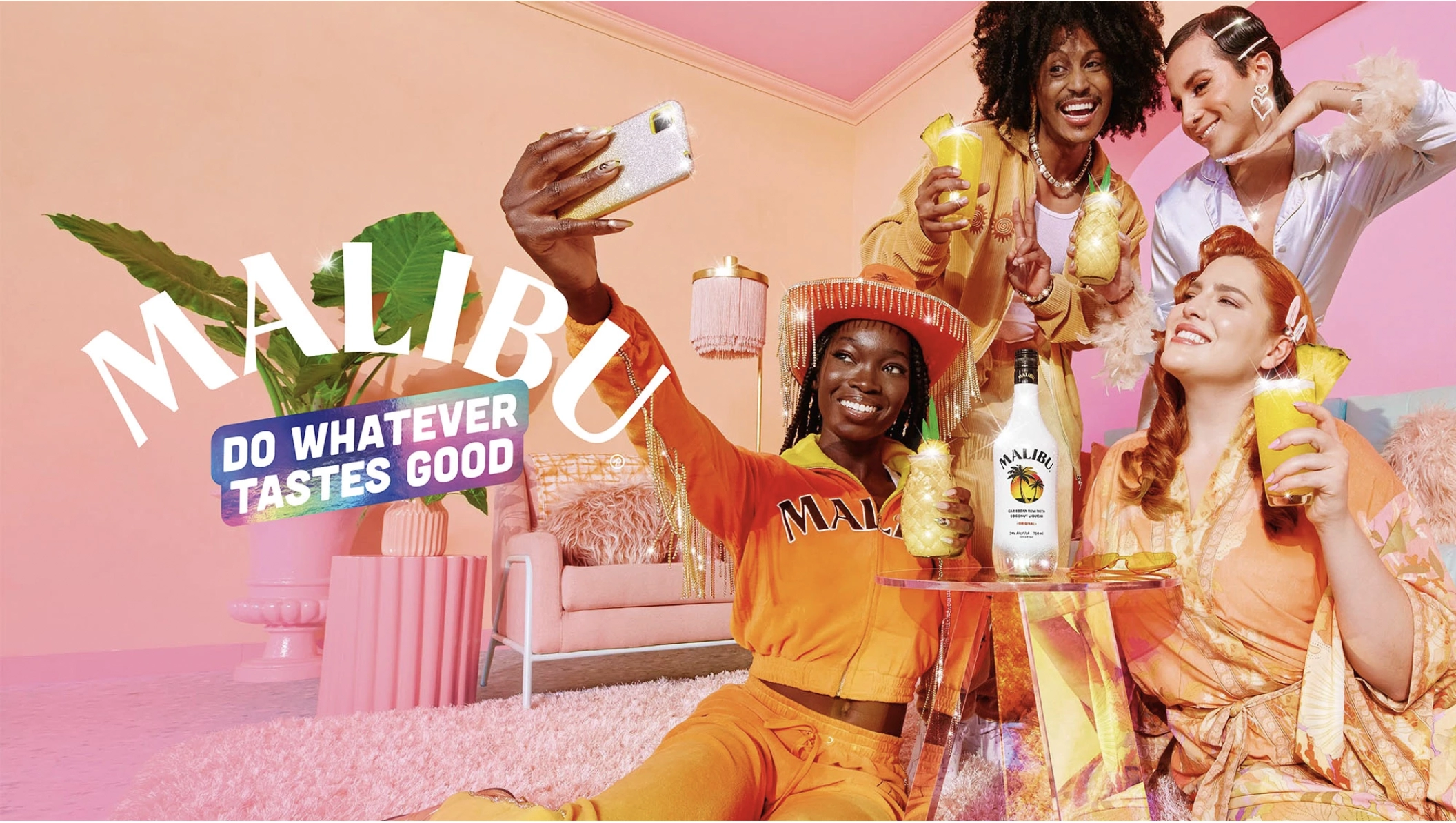
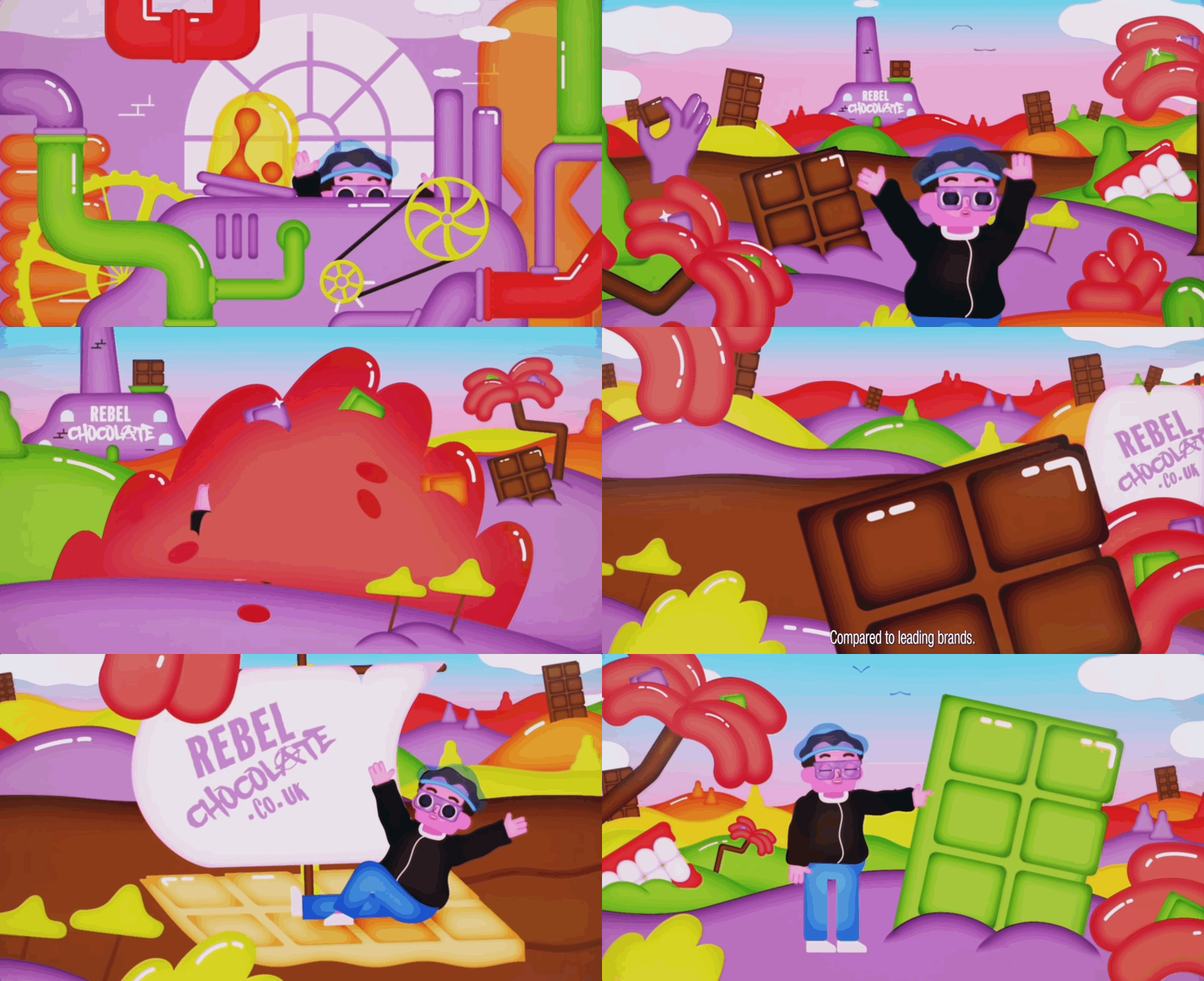
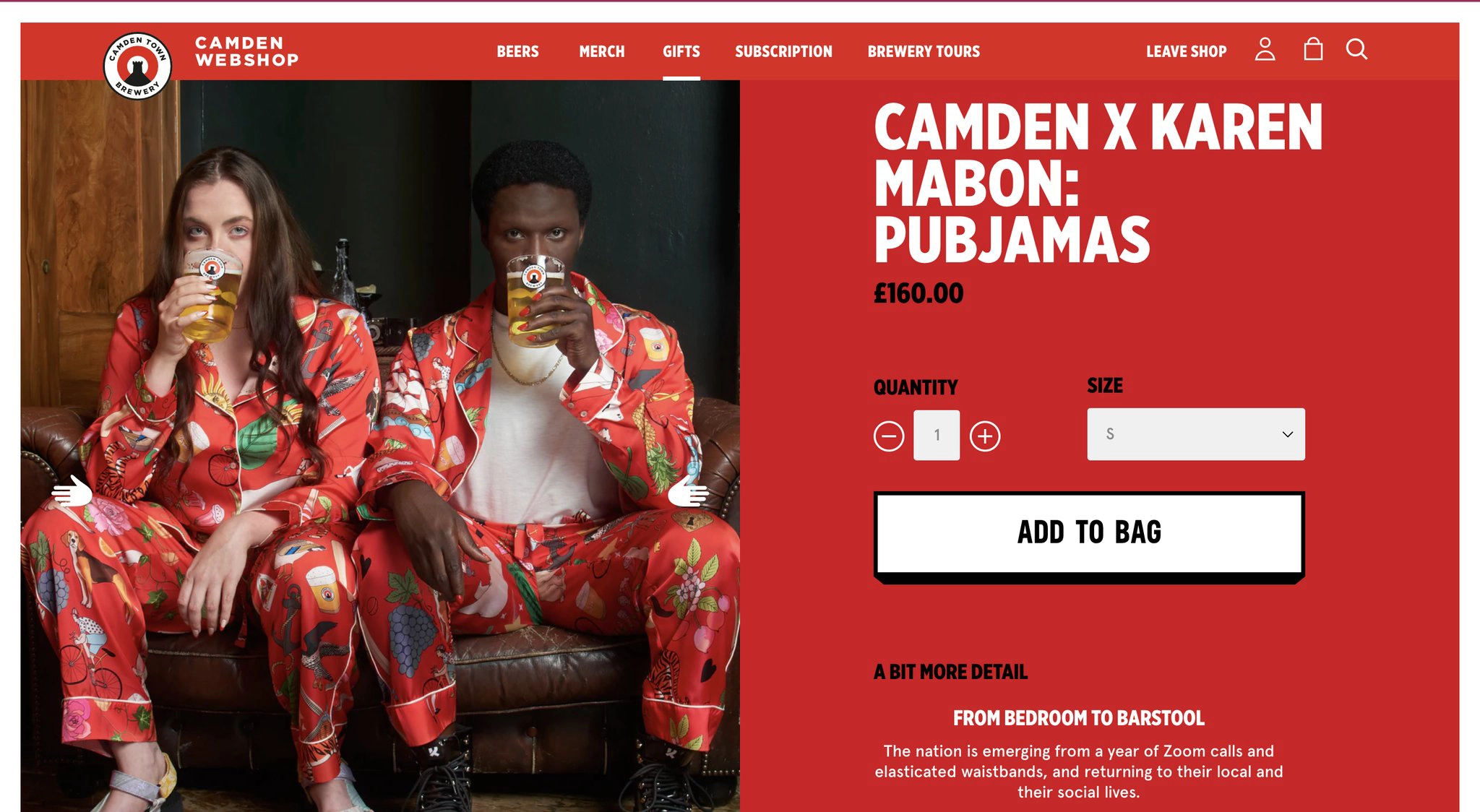
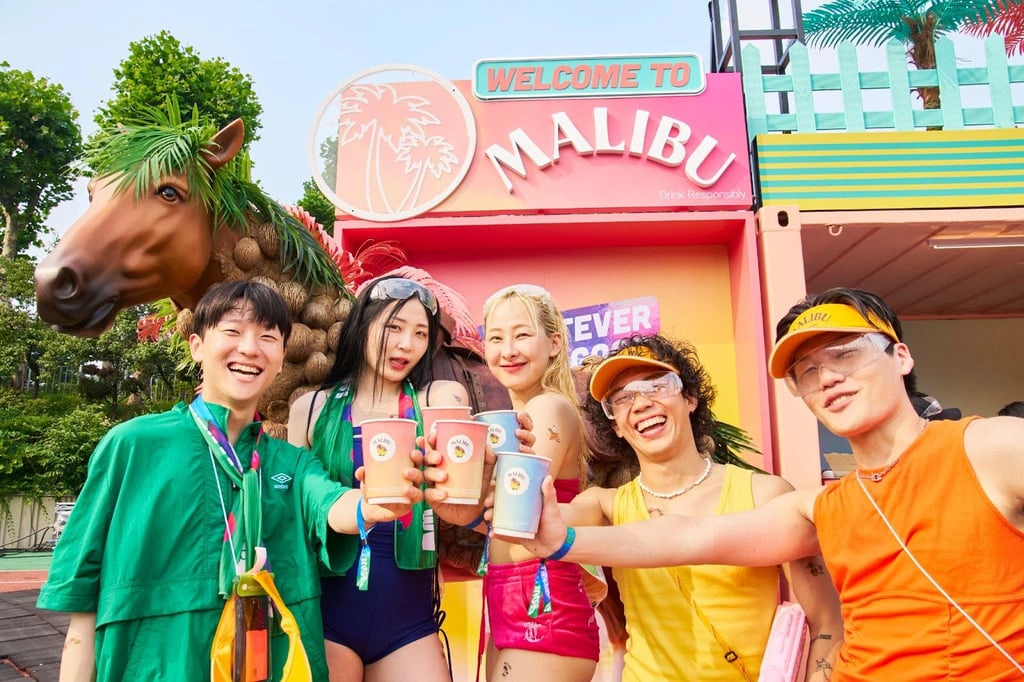
The Kennedys was a team of six creatives from different backgrounds: writing, film, creative technology, design, and entrepreneurship. It was like a reality TV show – permanent roles on offer at the end, so we had to work as a team while making an individual impression. There were noise complaints, trips to the ER, trips to HR, and matching tattoos by the end of it. Our motto was: Have Fun & Get Hurt. I was kept on after the programme ended, and W+K London was my home from 2016 to 2024. Some of my favourite work was for Maynards, Honda, Camden Hells, and a big 2022 Malibu shoot with director Dave Meyers. Malibu was the client I worked on the most. They have a really playful and vibrant aesthetic, and I loved building that colour-drenched world with them.

Your career took another unexpected turn when you got into games and programming. How did that happen?
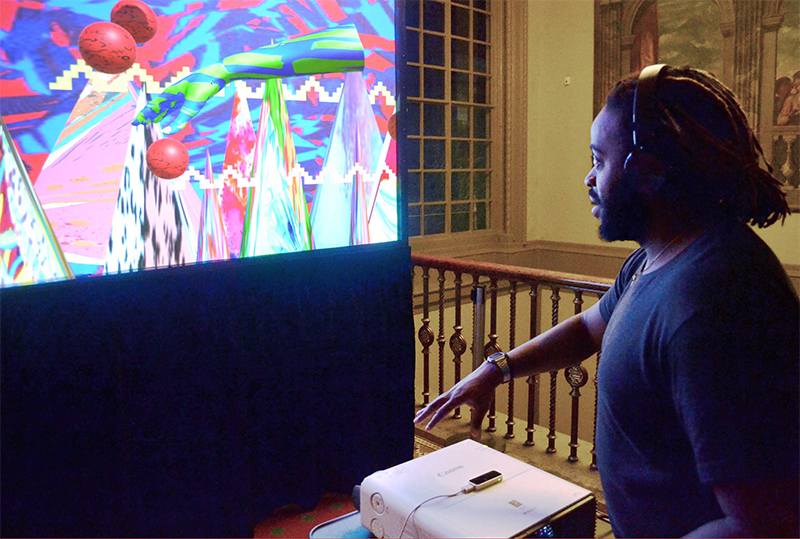
During the Kennedys, our creative technologist, Vytas Niedvaras, gave me an intro to creative coding and got me started with Processing and Unity. He pointed me to Code Liberation, an organisation running workshops to bring underrepresented genders into programming, led by founder Phoenix Perry. I took two of their courses, each ending with exhibiting at the V&A.
Phoenix was also running an MA at Goldsmiths called Independent Games and Playable Experience Design, and in 2018, I took a year’s sabbatical to enrol. It reminded me of Vis Com in structure because the course offered an intro to a diverse range of subjects, everything from physical computing and VR & AR, to game theory and narrative design.
For my thesis, I developed an iPad game called A Hero’s Guide to Gardening, a playable comic book designed to help kids build their emotional vocabulary – with my friend and collaborator Addy Sancho, after we came up with the idea at the Global Game Jam hackathon in 2019. I spotted an open call for Sky’s Women in Tech Scholarship, we pitched, and received funding to develop and distribute the app through the App Store.
After the MA, I returned to W+K, just months before Covid hit. I worried the detour had been a mistake. I was behind my peers, and my confidence took a hit. But looking back, I’m so glad I took that risk. My career hasn’t been one straight line, but every side avenue has made me more versatile and adaptable. I love to learn, and the moment I stop, I lose steam – an on-brand trait for someone with ADHD.
What does your role at LEGO involve?
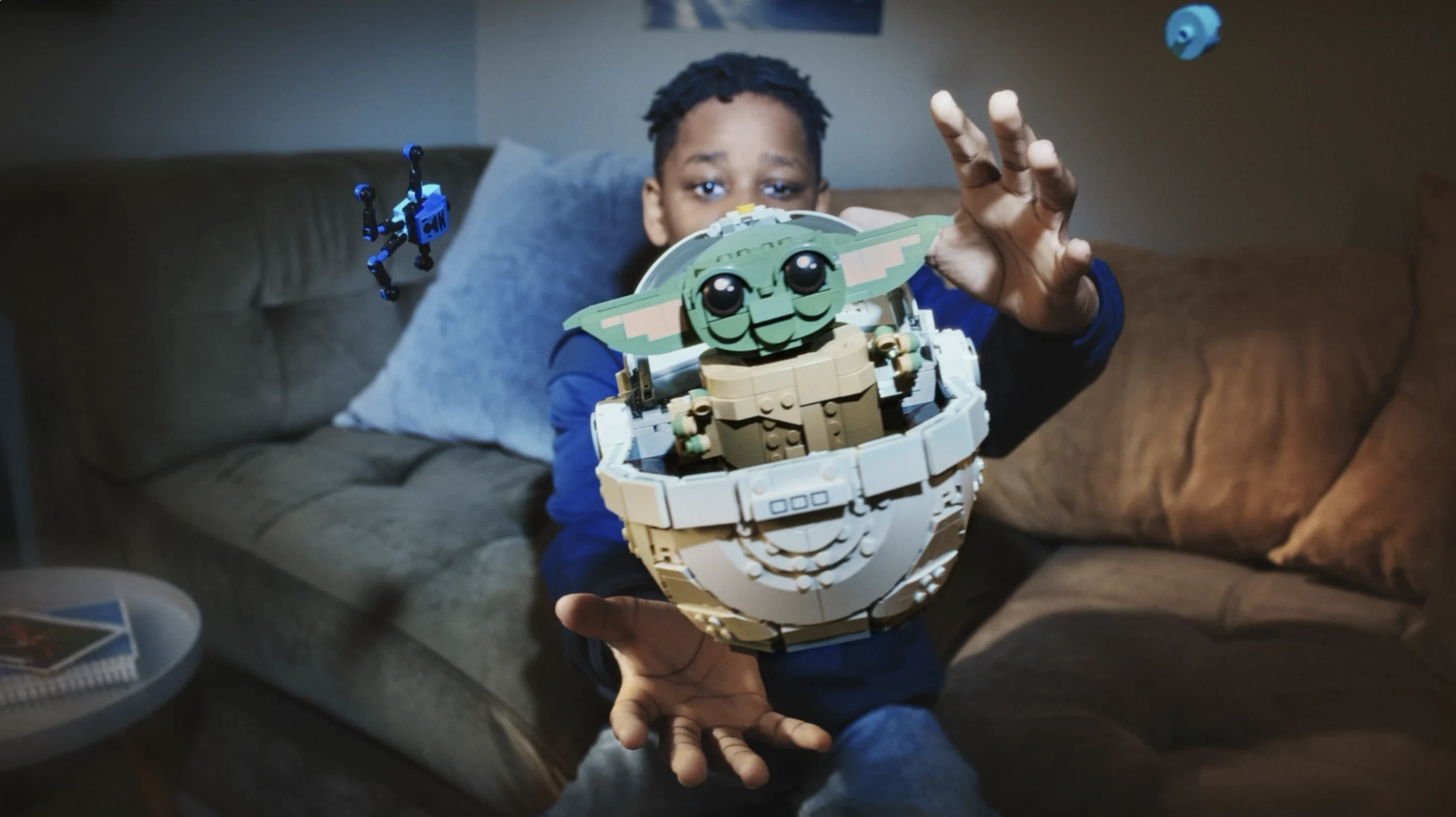
I joined The LEGO Group in June 2024 as a senior creative in their internal creative agency, OLA (Our LEGO Agency). Unlike Hill Holliday and W+K, which were external agencies with a roster of brand clients, LEGO is a brand that does its advertising almost entirely in-house. I’m part of OLA London, one of several hubs globally.
I wondered if I’d miss working across different accounts, but LEGO is unique because the range of IPs, age groups, regions, and parts of the business means it still feels like a huge spread of clients. So far, I’ve worked on LEGO Star Wars, the LEGOLAND theme park, DUPLO, LEGO Botanicals, and the LEGO masterbrand to name a few.
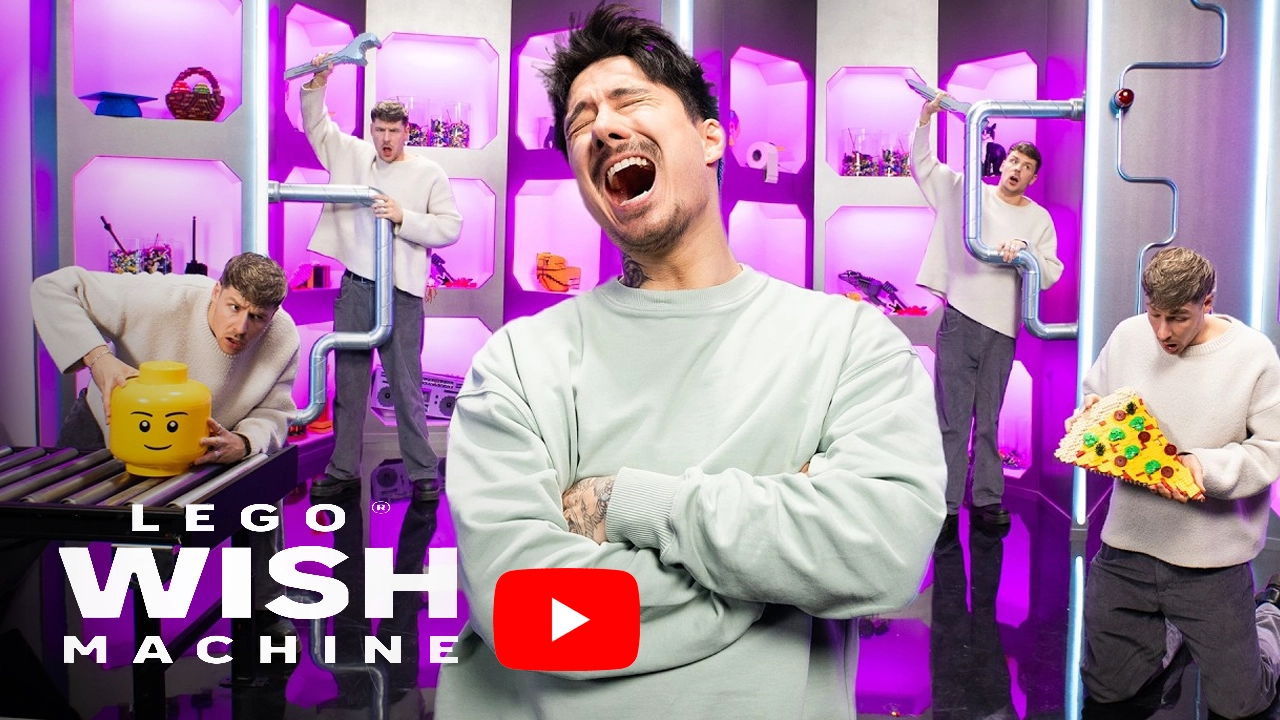
Two favourite projects: Wish Machine is a giant minifigure head voiced by YouTube creators that spits out brainrot-inspired LEGO builds. We designed around 50 individual builds, assembled by the expert builder team in Billund, Denmark. It’s surreal to see your janky Photoshop comp of a cat in a North Face jacket being reverse-engineered by highly skilled professionals.
Boo!tanicals was a proactive pitch to work with creator @stoopinthecity, transforming her Brooklyn brownstone stoop with gothic LEGO Botanical builds for Halloween. On a tiny budget, the videos she created for us netted tens of millions of views. It’s a small project in the grand scheme, but I’m proud of it because we asked the Botanicals team to trust us, and it paid off.
I think the caliber of talent that comes from LSAD is so high that graduates should feel so proud of themselves, and to be their own biggest cheerleaders. Sometimes the deciding factor between you and someone else is how confidently you come across.
Where do you find inspiration?
My media diet is mainly long video essays, email newsletters, graphic novels, and the two-plus hours I lose to Reels every day without meaning to. I justify the last one to myself as “research” because TikTok and Reels surface whatever’s getting traction on a topic, so they’re handy for getting a quick read on how something shows up in culture.
Someone once described creative burnout as making too many withdrawals from your brain’s bank account without enough deposits. I love to visit creative conferences when I get the chance (RIP Offset Dublin). I really enjoyed the animation festival InMotion Playgrounds in London last year. I also go to Edinburgh Fringe every year to see my friend and fellow LSAD grad Marty Gleeson perform. I go up for a weekend, see as many shows as I can, and leave feeling like the bank is full again.
What advice would you give to students who are about to graduate?
The auto-apply form is demoralising and rarely what gets you hired. Get as much face time as possible with people who are where you want to be. Coffee chats might not lead to an instant job, but they’re the start of a relationship that could open a door later. Be respectful of people’s time, be proud of your work, and invite feedback – It’s a great way to restart a conversation (“I’ve updated my book and I was thinking about what you said…”).
The ideas phase is not the execution phase. You’re getting this wrong when you open Photoshop before picking up a pencil. Explore in the fastest, freest way possible and make decisions about concept and composition before you start making.
My first creative partner, Peigh Asante, had told me the saying: “You can’t receive from a closed hand.” Collaboration is non-negotiable. The creative industry is one big interdisciplinary collab. I also love: go fast alone, go far together.
AI is the next big unknown for the future of our industry. What I’m seeing at LEGO is a growing appetite for behind-the-scenes content showing the making process because our creative fan base wants to see the human hand in the work. Understand AI as a tool, but not at the expense of actually making things. That’s where your own voice emerges, and that’s what AI can’t replace.
Any specific advice for someone who wants to break into advertising or design?
Find the things that light you up and get obsessed with them. We all get old and calcified, and we need fresh perspectives to navigate culture as it evolves. Your personal passions and bizarre fascinations are an asset; you never know when they’ll unlock something.
Graduate portfolios are full of coursework, so making something real demonstrates production, collaboration, and initiative. Play with short-form video and learn what gets views. Get your T-shirt designs made and organise a shoot. See what kind of stunt gets you covered in local news (just don’t be obnoxious, unsafe, or illegal).
Look up creatives at agencies you’re interested in and reach out for a portfolio crit. They might not have a role right now, but they’ll have good intel and might remember you when something comes up. Finding your first job is a numbers game. Don’t be hard on yourself if it takes a lot of knocking on doors. Keep making work that excites you while you search. Vis Com alumni are thriving in every corner of the industry. You have every reason to back yourself.
Look up creatives at agencies you’re interested in and reach out for a portfolio crit. They might not have a role right now, but they’ll have good intel and might remember you when something comes up.