
-

- Naoise Hopkins
Naoise
Hopkins
Hi Crash Ride
This project explores how drums and percussion shapes genre identity by
reinterpreting Daft Punk’s “Get Lucky” in three contrasting styles: Jazz, Reggae, and
Funk Rock. As stated in my description, the aim was “to demonstrate stylistic
versatility as a drummer” and analyse how rhythmic performance interacts with
other musical elements to define genre. Using one song across all three versions
allowed me to “isolate the elements of drumming, percussion, and recording,”
making it possible to hear how rhythmic choices reshape a listener’s perception.
The decision to work with a single song emerged after early supervisor feedback,
where it was noted that using three different songs “would’ve made it harder for me
to isolate the role of percussion.” Recreating one track in multiple genres provided a
controlled framework, aligning with Moore’s (2012) argument that fixed musical
parameters enable clearer analysis of stylistic markers.
Each genre required research into its defining drumming traditions. For Jazz, I drew
inspiration from Art Blakey, incorporating gentle 8th/16th note patterns, light snare
hits, and softer dynamics, consistent with Berliner (1994) and Monson (1996). The
Reggae version was shaped by Carlton Barrett’s rim-shot patterns, dry hi-hats, and
emphasis on off-beats, reflecting Veal’s (2007) observations of reggae’s rhythmic
identity. Funk Rock drew from Chad Smith’s aggressive snare tone, ghost notes, and
energetic kick patterns, aligning with Danielsen’s (2010) work on funk micro-timing.
The project also examined how arrangement and production influence genre
perception. As Zak (2001) argues, genre emerges from the interaction of rhythm,
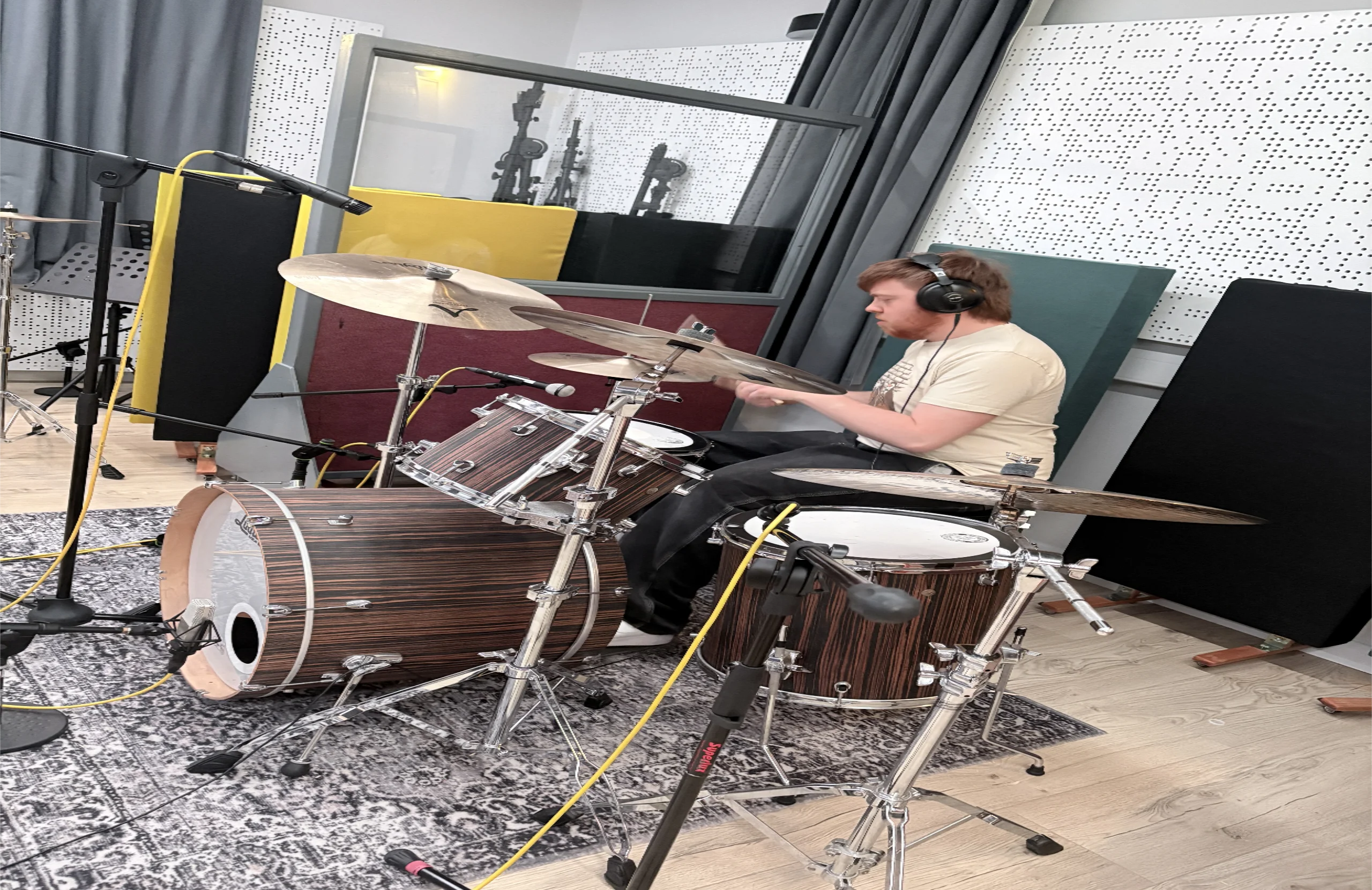
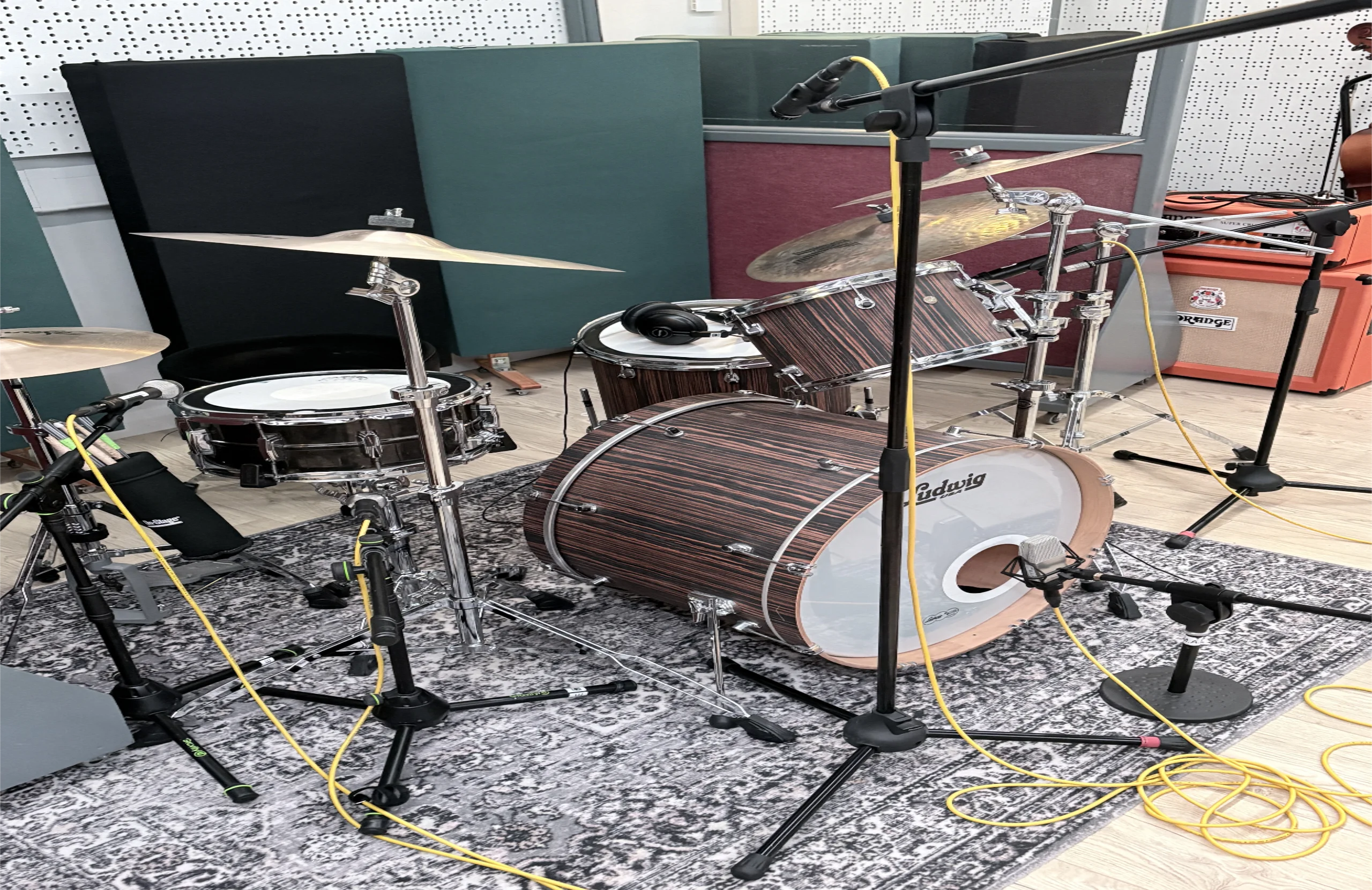
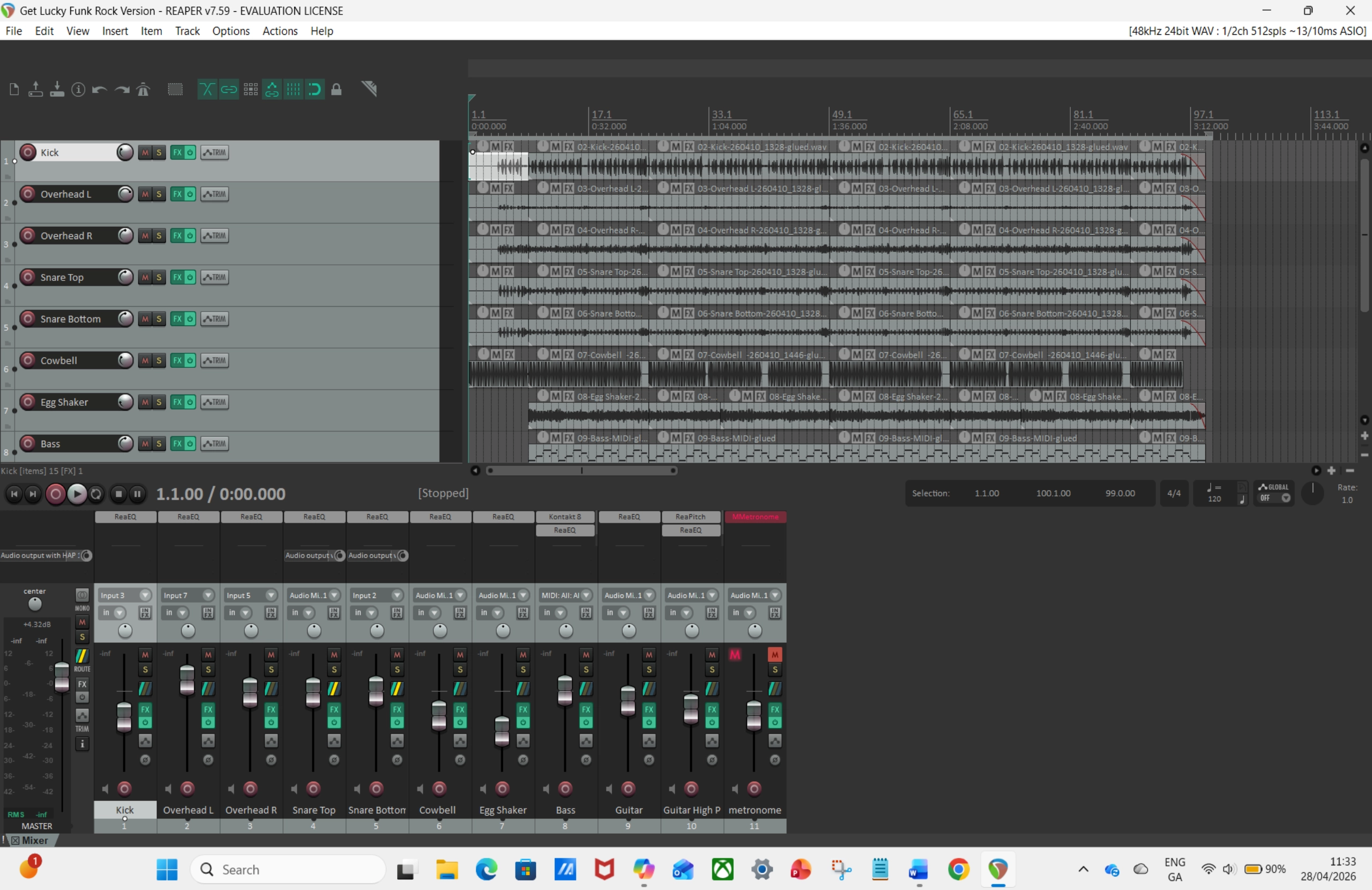
harmony, timbre, and recording practice. This became clear during the recording
process, where instrument tone, mic placement, and performance feel all contributed
to shaping each version’s identity.
Overall, this project demonstrates that while drums are a primary driver of genre, it is
the combination of rhythmic performance, instrumentation, and production that
ultimately defines character.